I don’t tend to write about the lives of authors, but I can’t help note that Edna O’Brien died today, aged 93, because I have found to be a peer among great Irish writers (and writers of any nation)–including Joyce and Beckett–ever since I read her novel Casualties of Peace. I picked it up at random in a used book store and read it in one sitting, surprised and delighted by its sophisticated technique and surprising plot. I then devoured most of her novels, my favourite being A Pagan Place, on which I have published an article. O’Brien is often described as a “chronicler of women’s lives,” and while this description isn’t inaccurate, it utterly fails to touch on what makes O’Brien so exciting: her style and experimentalism. It’s less flashy than Joyce or Beckett, but she was a stylist of the top tier. Her experimental novel Night is no less compelling than her more (melo)dramatic fare, like The Wild Decembers.
Interests
Springtime in Ontario
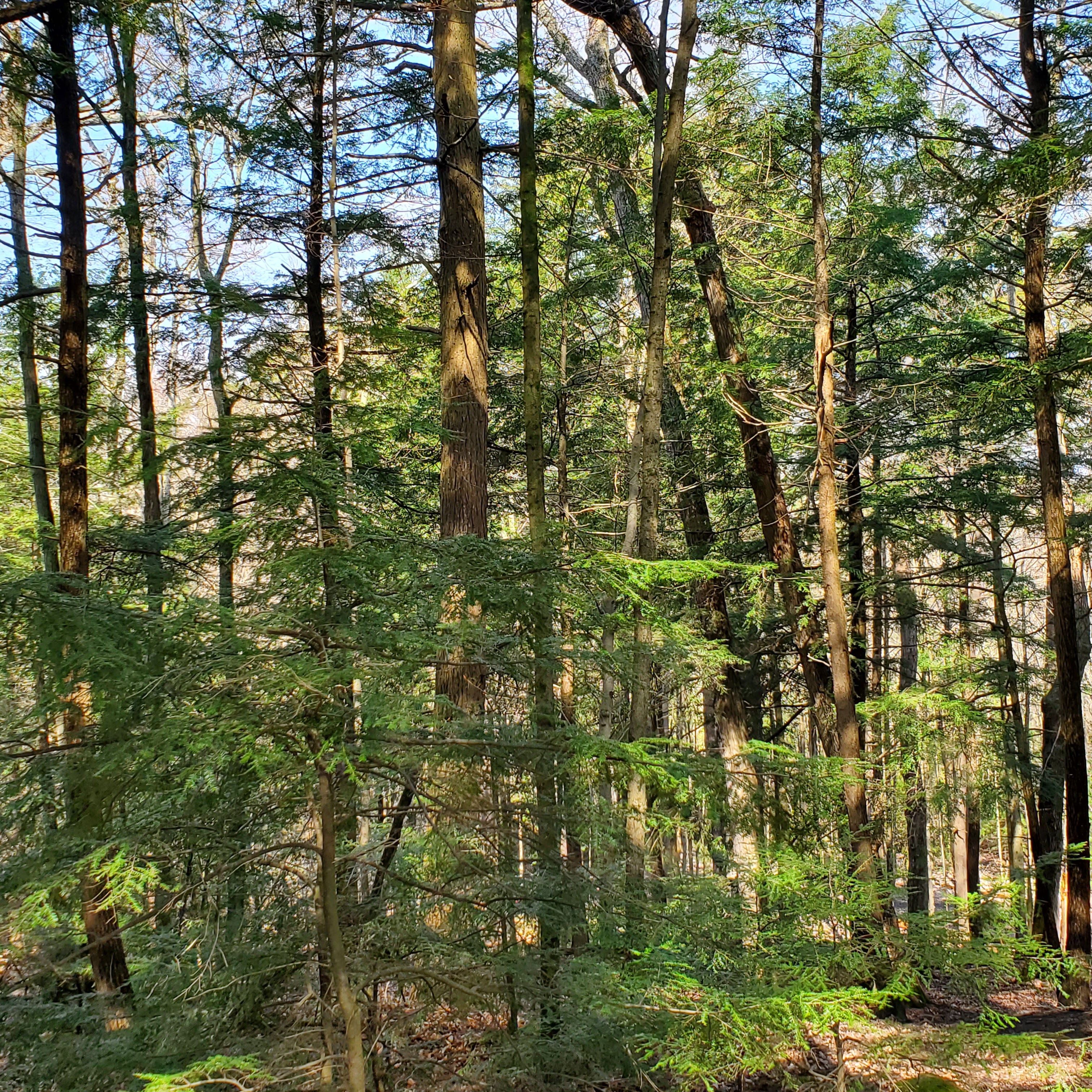
It was a disappointing winter, with little snow. But spring sprang hard anyway. The last week of April, documented here, has been fantastic in my yard and at the local conservation area.
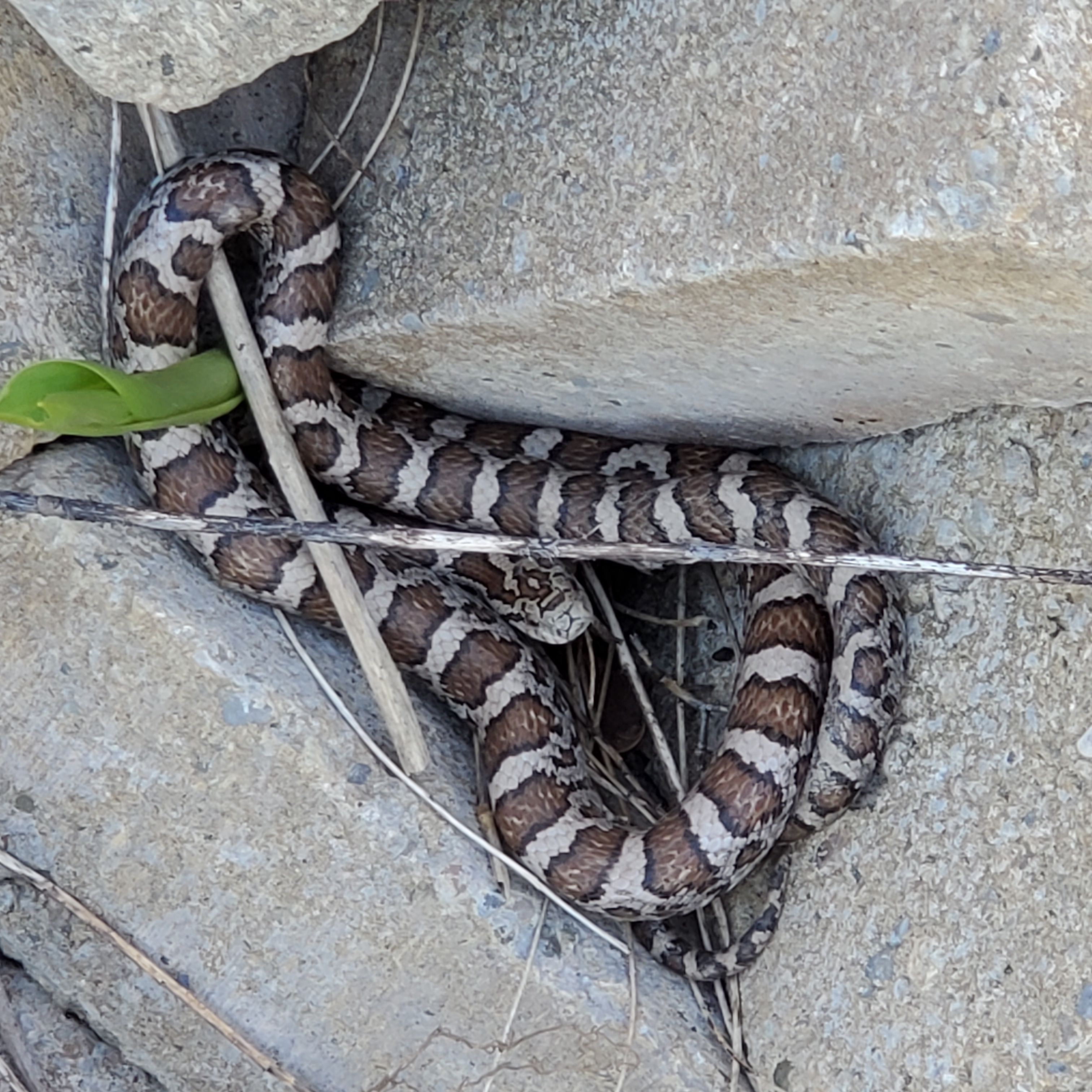
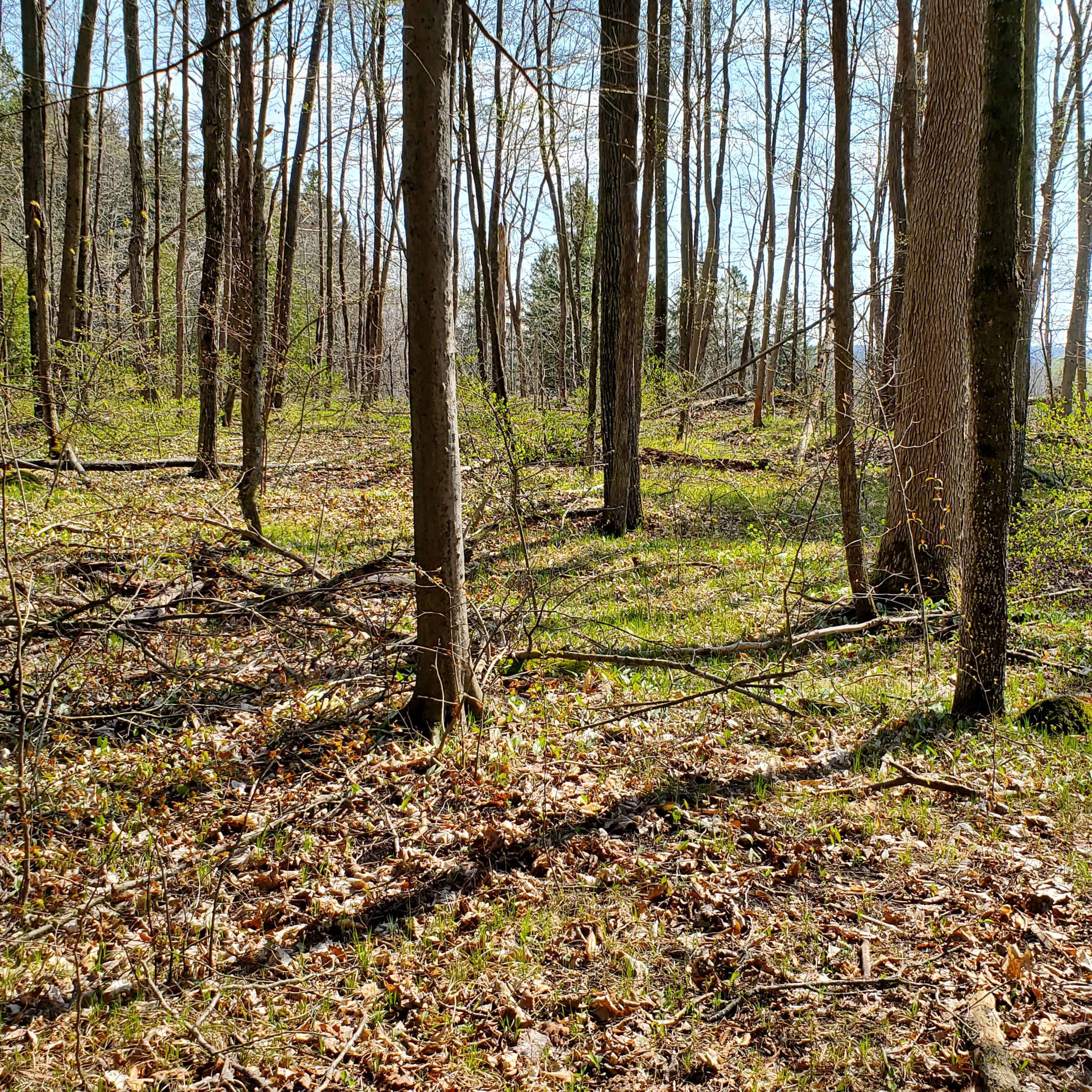
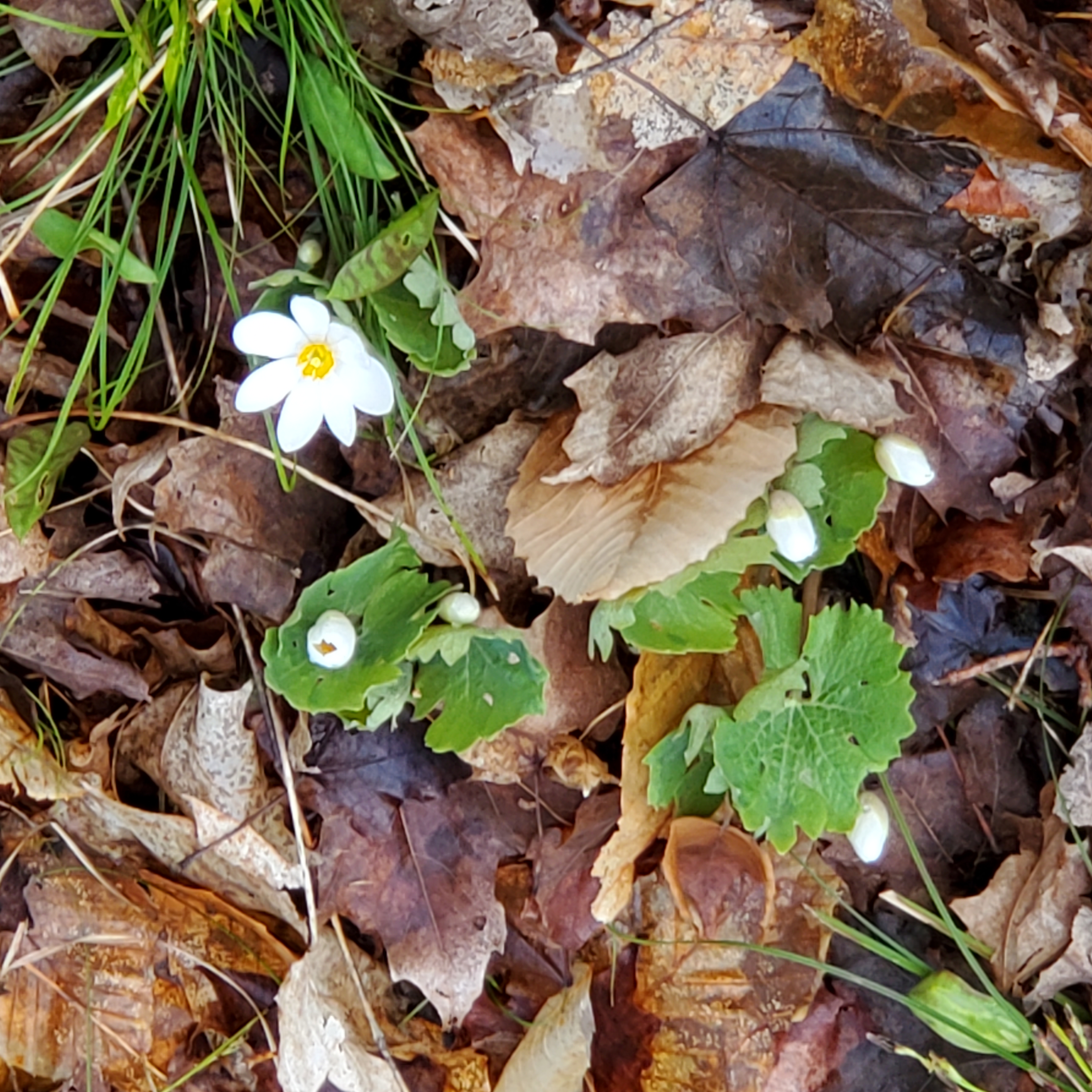
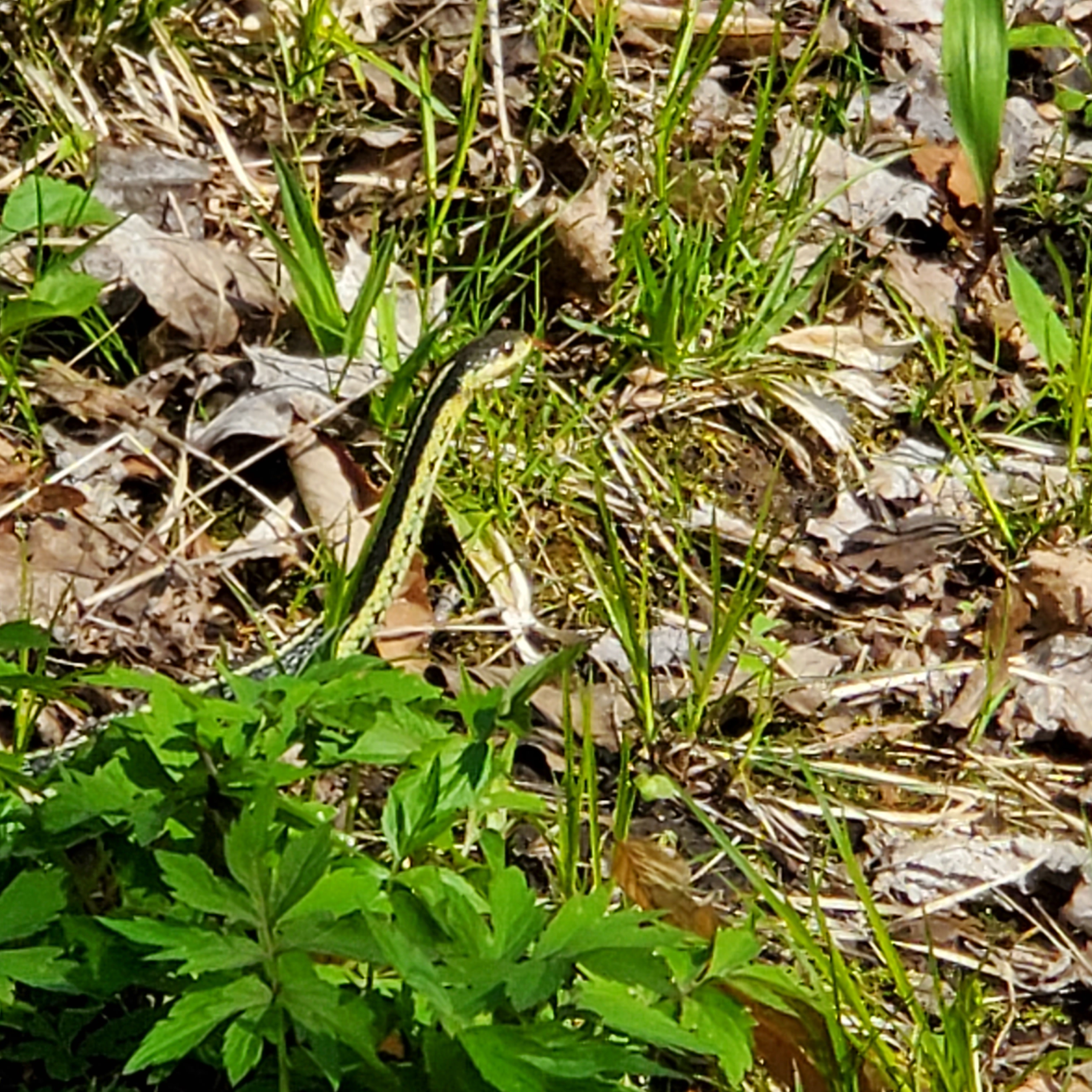
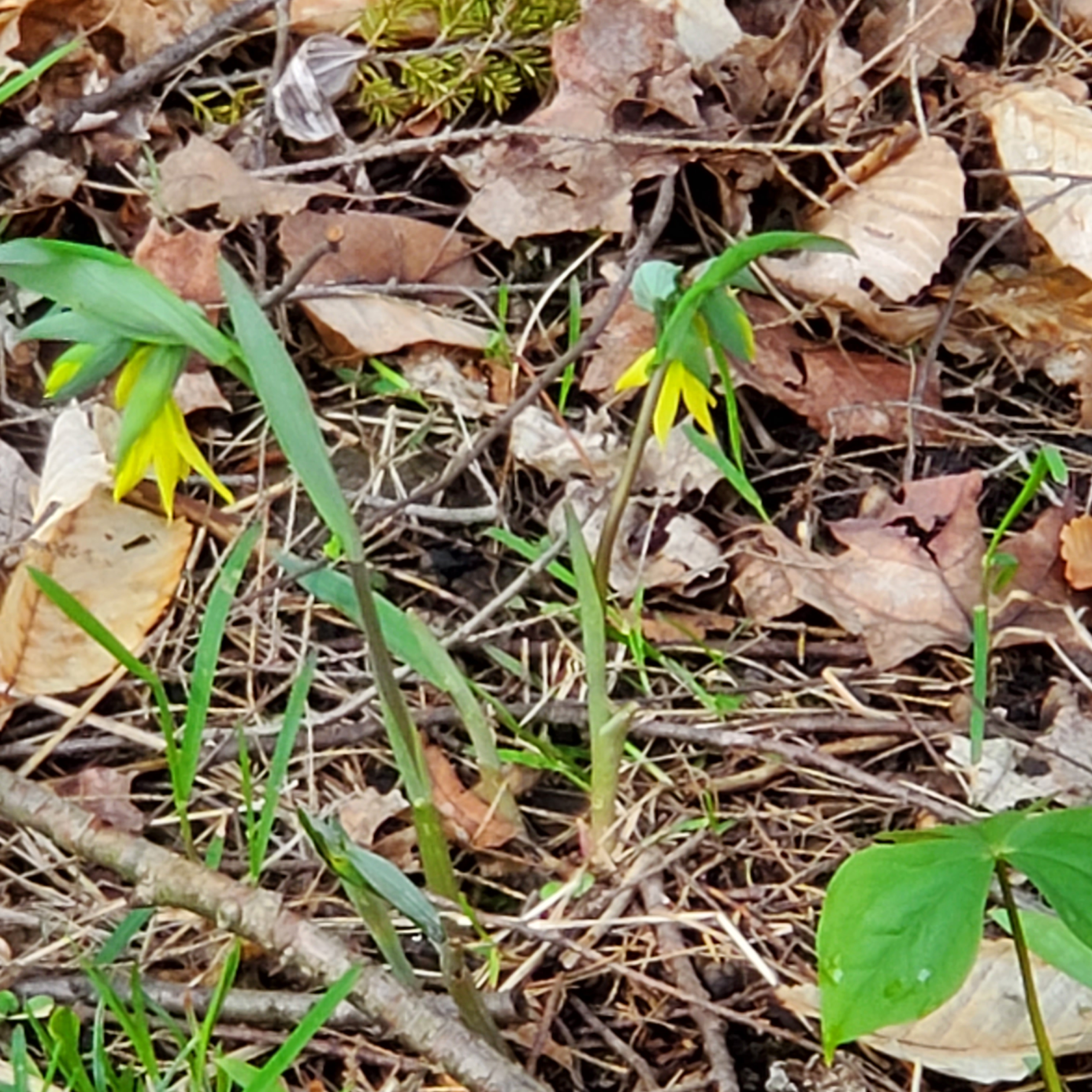
From the top left, clockwise: A barred owl (Strix varia), my first sighting ever, and a really good one! An eastern milk snake (Lampropeltis triangulum triangulum), which sadly was run over by a neighbour a few days later–I’m still grieving. Understorey flowers in a mature forest, taking advantage of the sun before the canopy closes up. Bloodroot (Sanguinaria canadensis), I believe. An eastern garter snake (Thamnophis sirtalis sirtalis) checking out the world. Sharp-lobed hepatica (Anemone acutiloba). Large-flowered Bellwort (Uvularia grandiflora). A well-camouflaged DeKay’s brown snake (Storeria dekayi). A rare stand of mature coniferous trees. Trout lily (Erythronium americanum).
Two weeks later, the area already looks completely different…




On Science Communication and Humour
Most of my work on science communication is focused on the use of narrative as a tool for disseminating complex information more clearly and persuasively. But there is much to be said too for the use of humour in science communication, too, especially with urgent issues like climate change, biodiversity loss, and the pandemic. This approach is John Oliver’s whole thing. Biologist Mark Carwardine and comedian/Renaissance man Stephen Fry’s series Last Chance to See is dead serious about extinction, yet manages to punch a bigger emotional punch by being quite funny too.
I was gratified to see this brief video featuring Earth scientist Mark Maslin and comedian and super-grump Jo Brand. Maslin gives the usual scientific and media talking points, Brand translates into her own deadpan (and obscenity-laden) style. Elsewhere, Maslin praises Brand’s ability to translate the facts into a message. As he tells it, her take on governments subsidizing fossil fuel companies?
“Even the dinosaurs didn’t subsidise their own extinctions; who’s the stupid species now?”
Jo Brand, according to Mark Maslin (The Guardian, 28 Jan. 2024, https://www.theguardian.com/science/2024/jan/28/climate-scientist-mark-maslin-we-have-all-the-technology-we-need-to-move-to-a-cleaner-renewable-world)
Is there anything nerdier…
… than a former city dweller’s excitement about homegrown vegetables? I didn’t think so. But the excitement is genuine. Here are some of this summer and fall’s harvests: spaghetti and delicata squash, cucumber, beefsteak tomato, more tomatoes, a day’s worth of windfall apples, tomatoes and a zucchini, Swiss chard and carrots, more carrots.

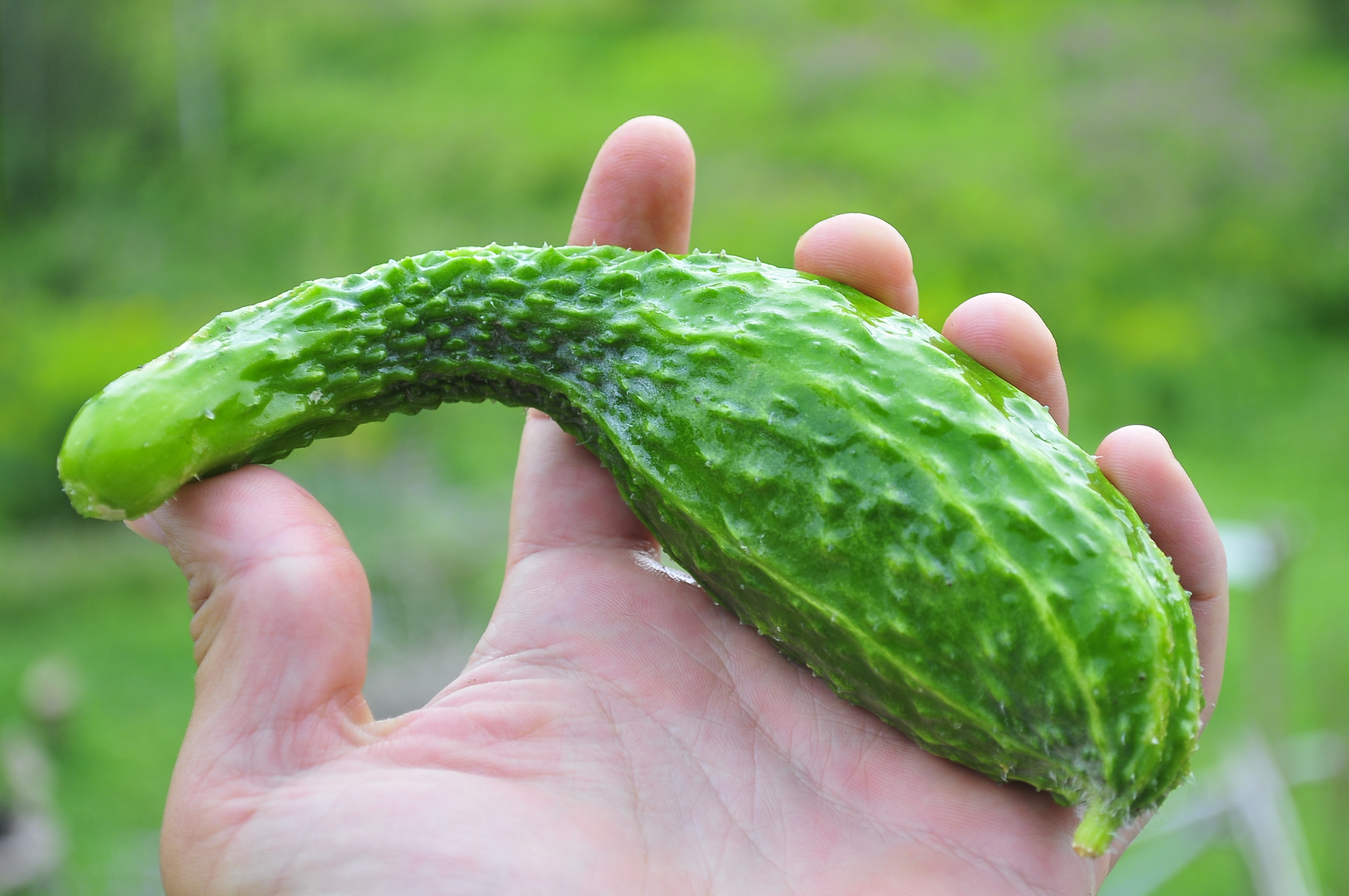


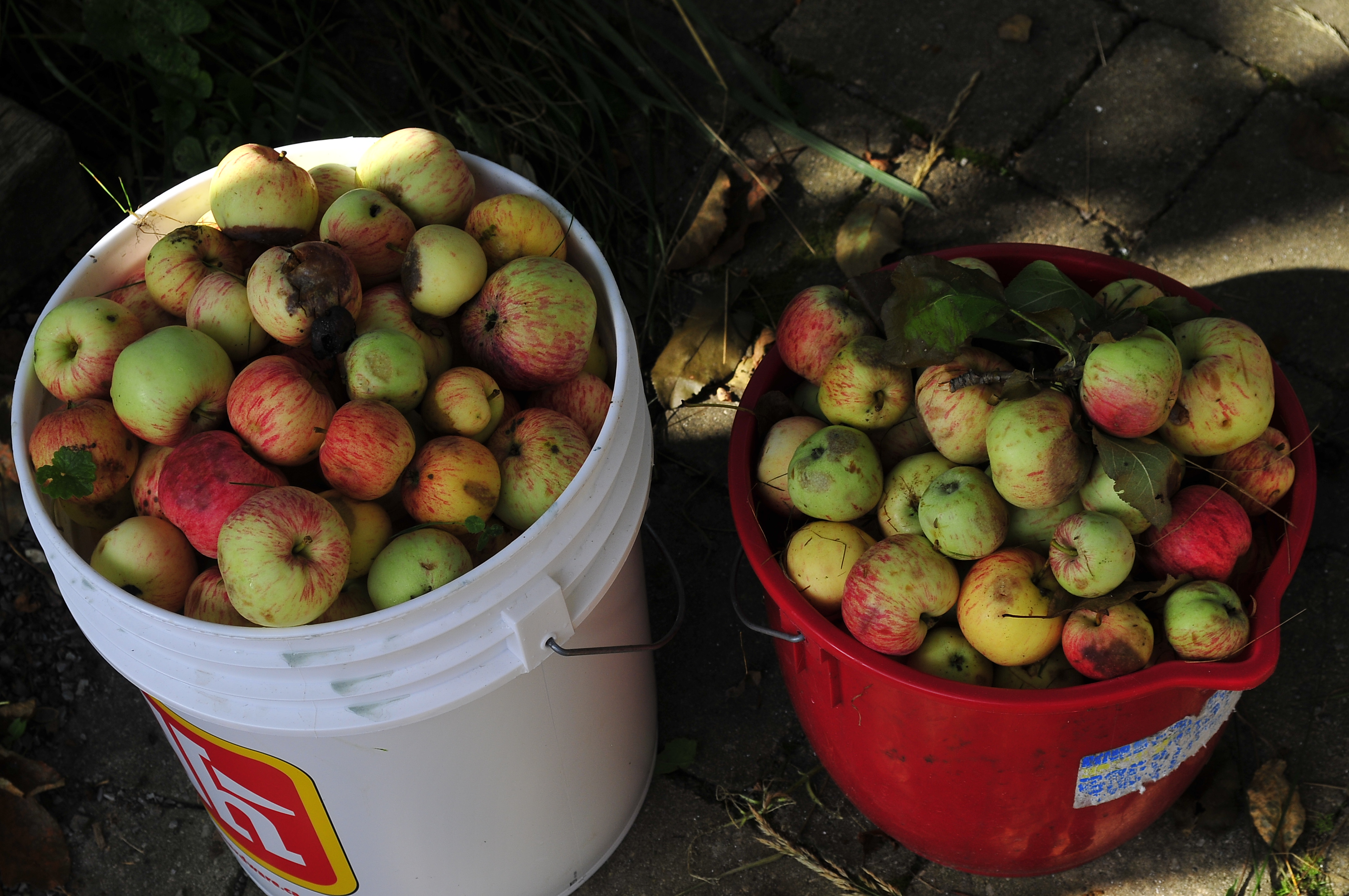
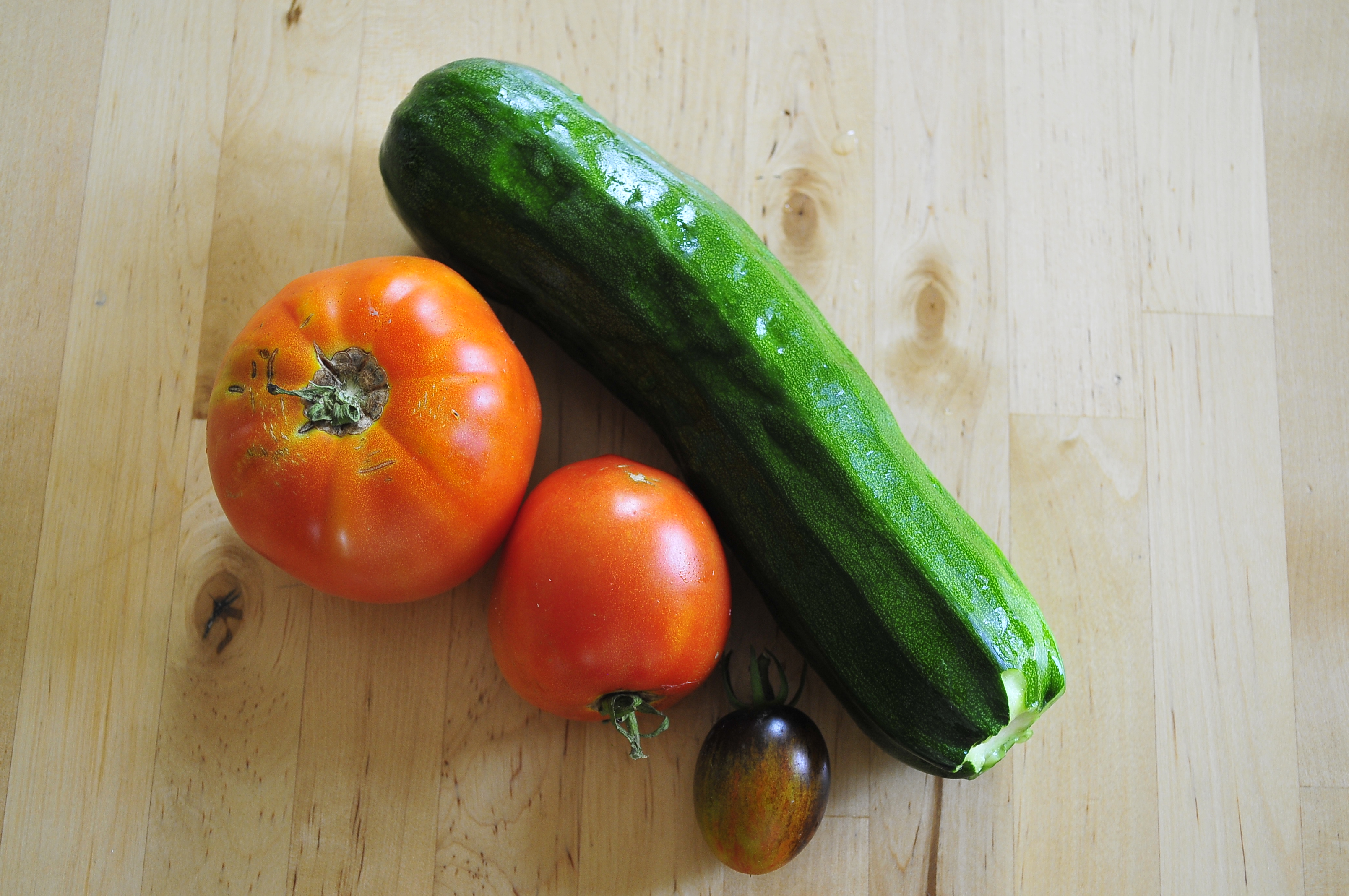
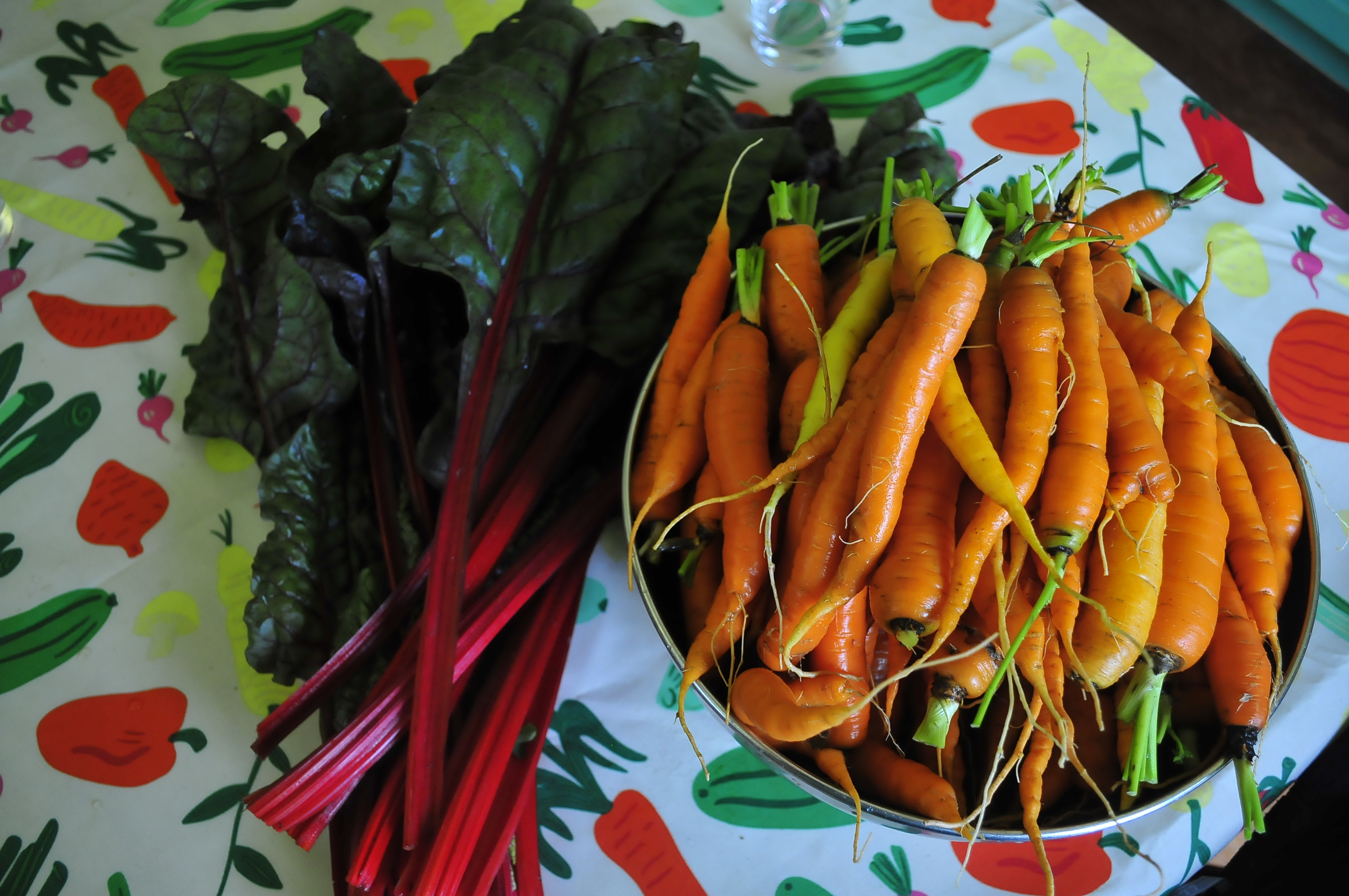

Lots to learn from trial and error of 2023 for next year. Our carrots are good but not amazing. The tomatoes and squash and lettuce (unpictured) are worth growing more in the future. We need a better system for catching apples before they fall and get bruised/broken.
Blog
This is where I post thoughts on writing, books I read, animals and plants I see, music I like, and so on. More posts are linked below, or accessible by theme:
Fantastic Paragraphs or Sentences
and Interests.
 DANIEL AURELIANO NEWMAN