… if by cultivating, I just mean walking around and seeing what’s growing on July 3, 2024.
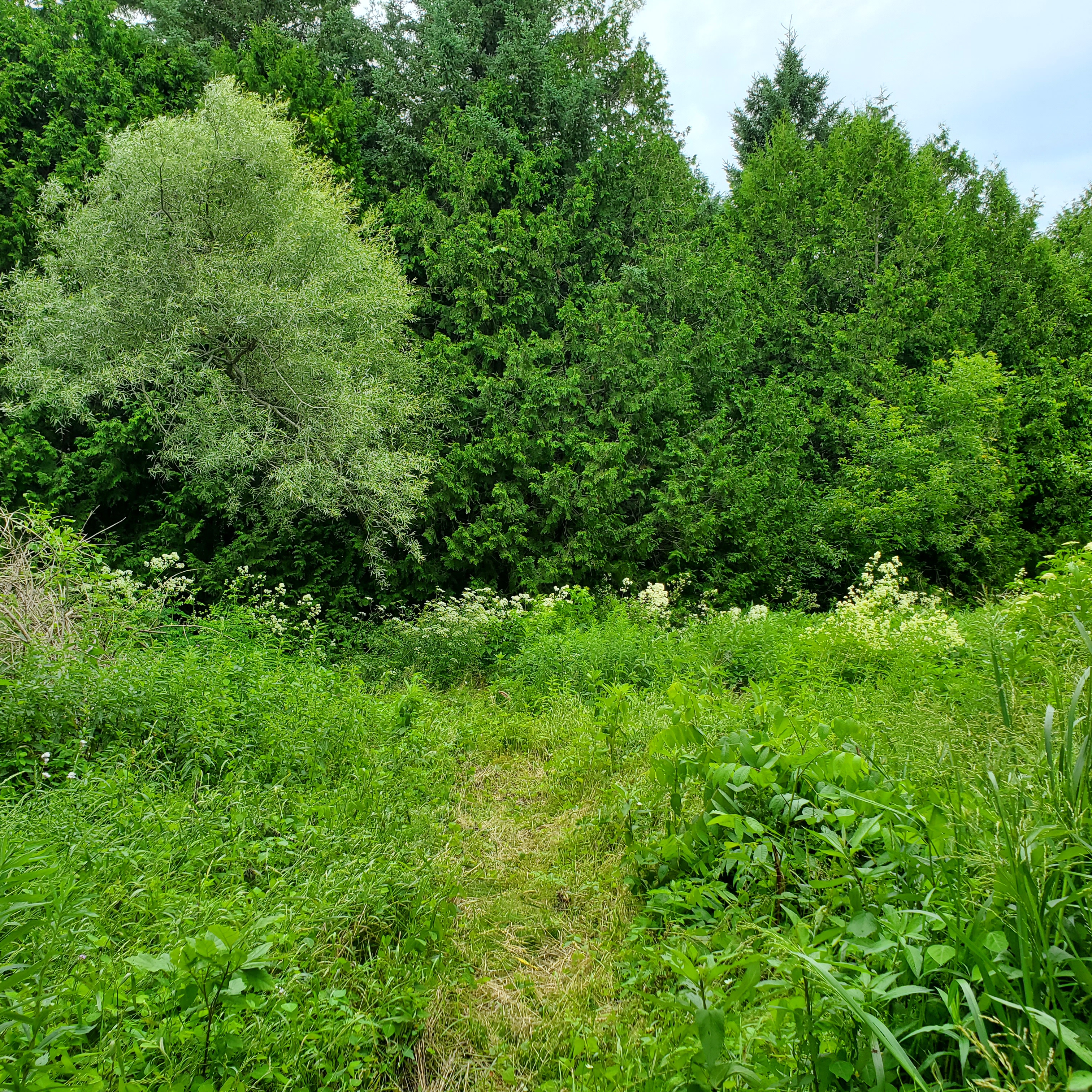
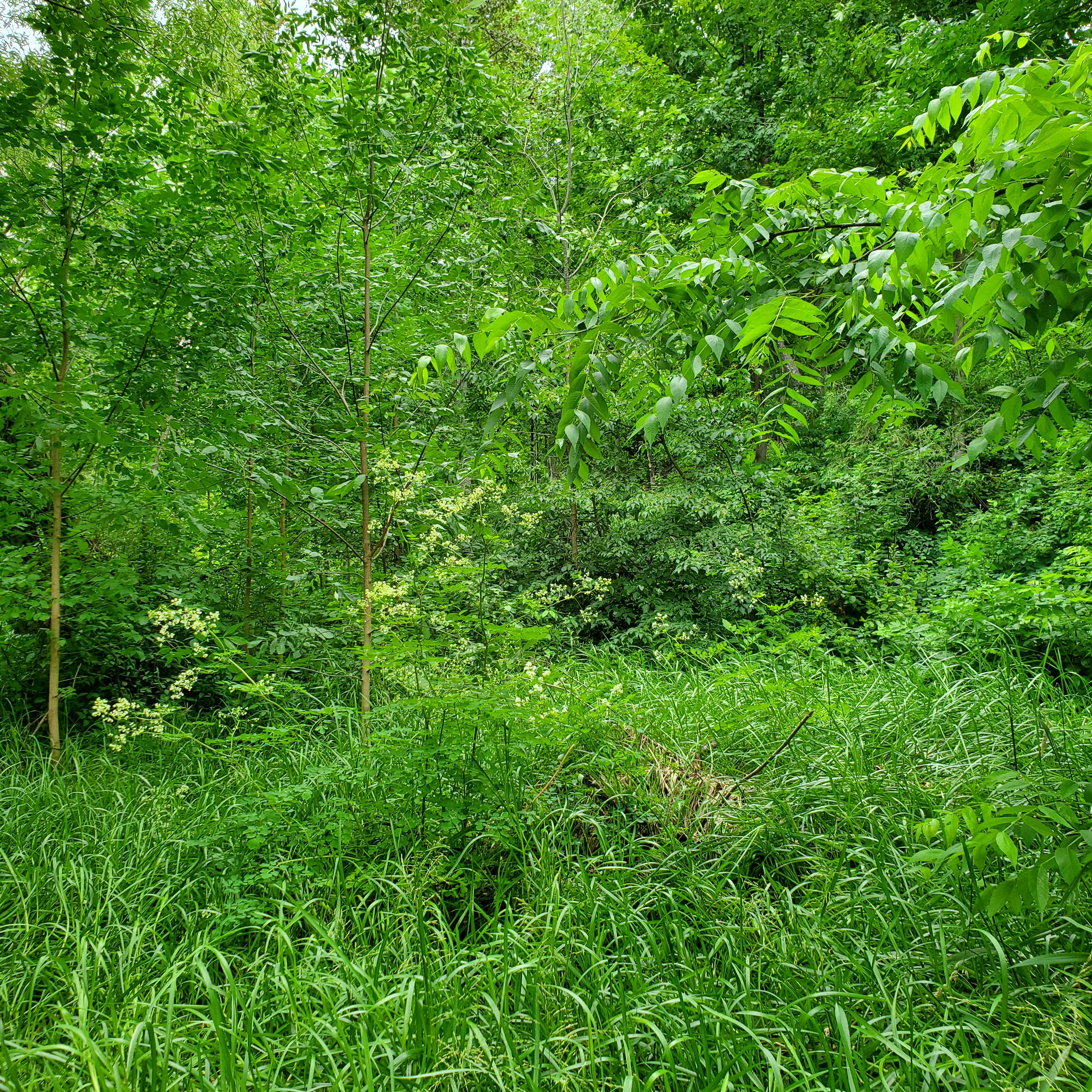
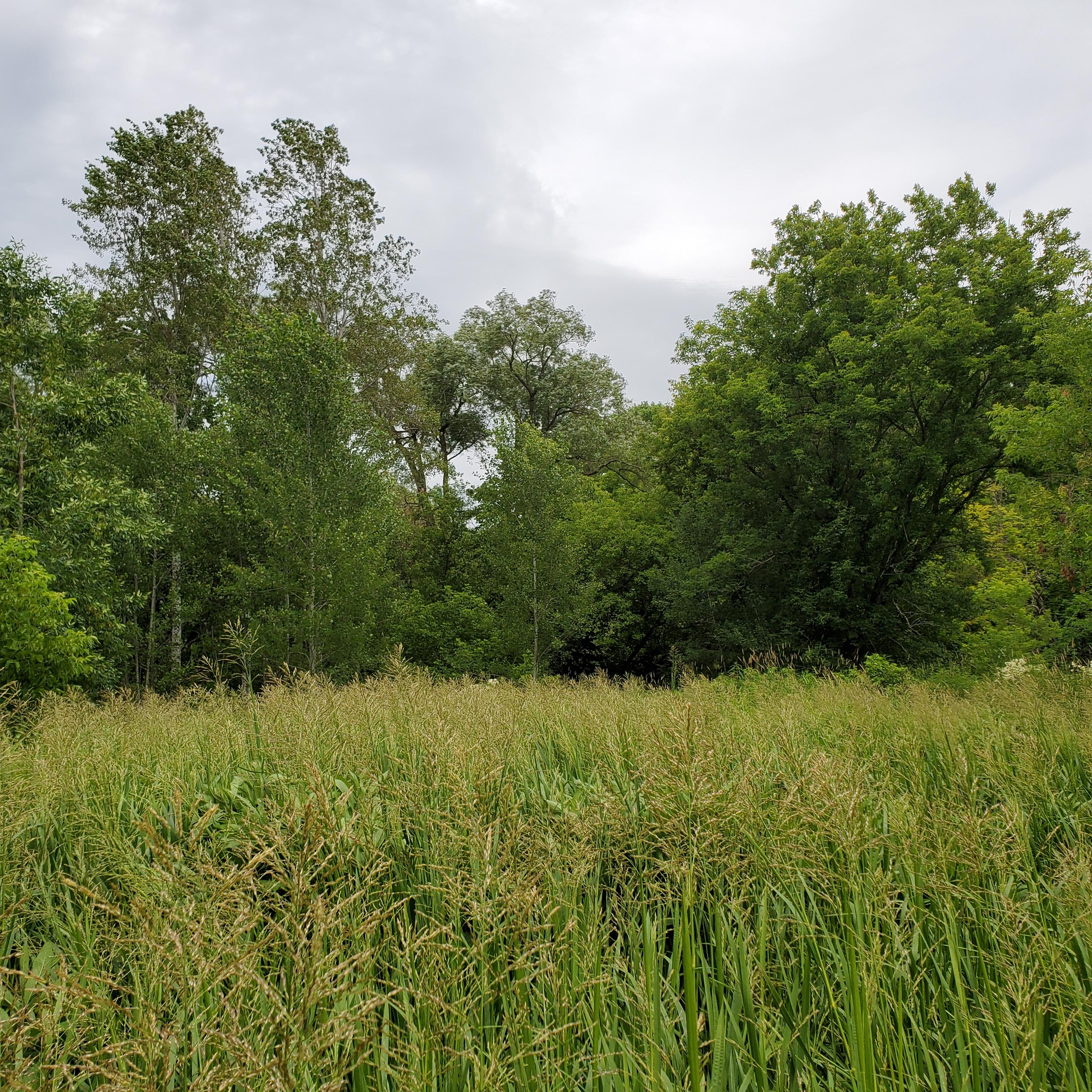
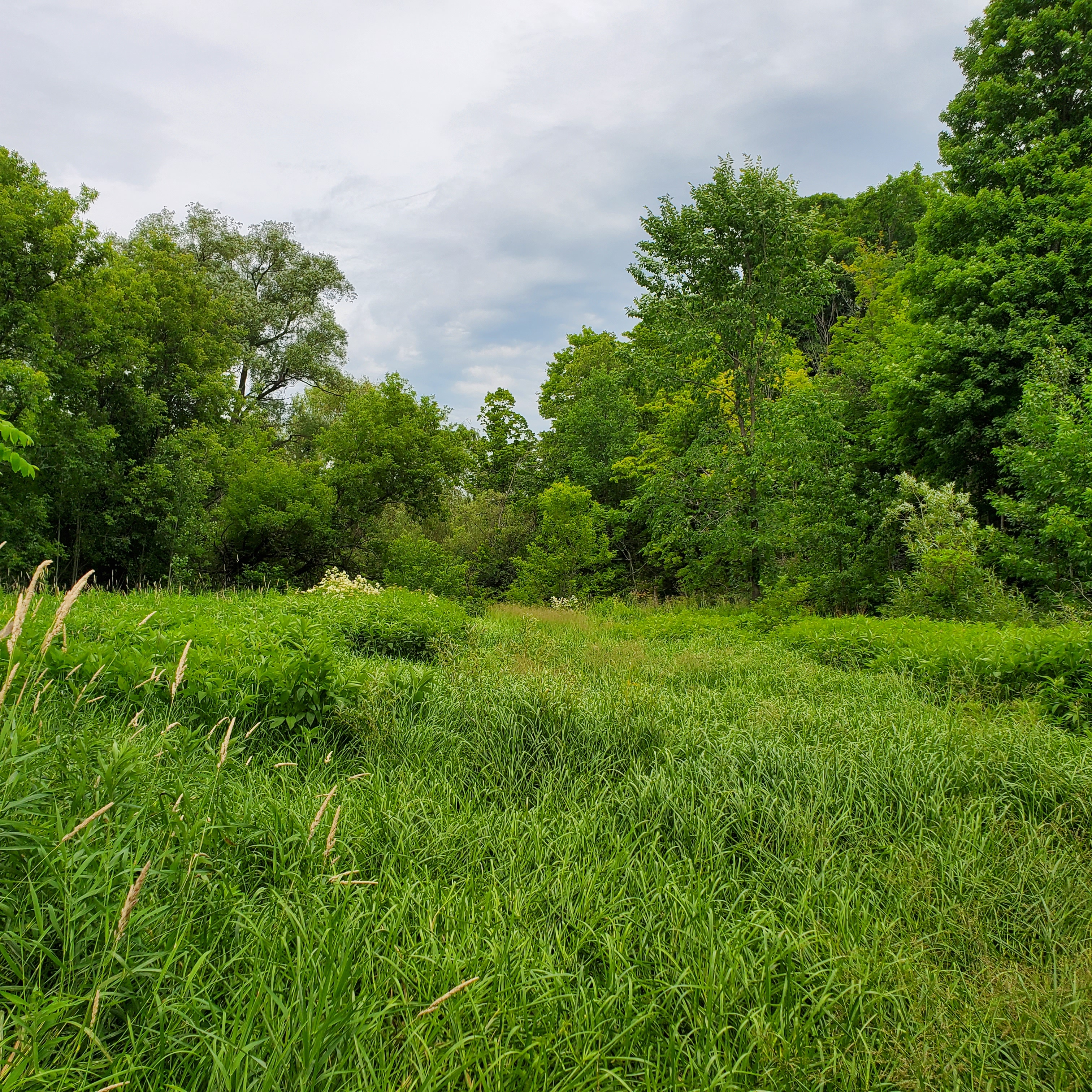
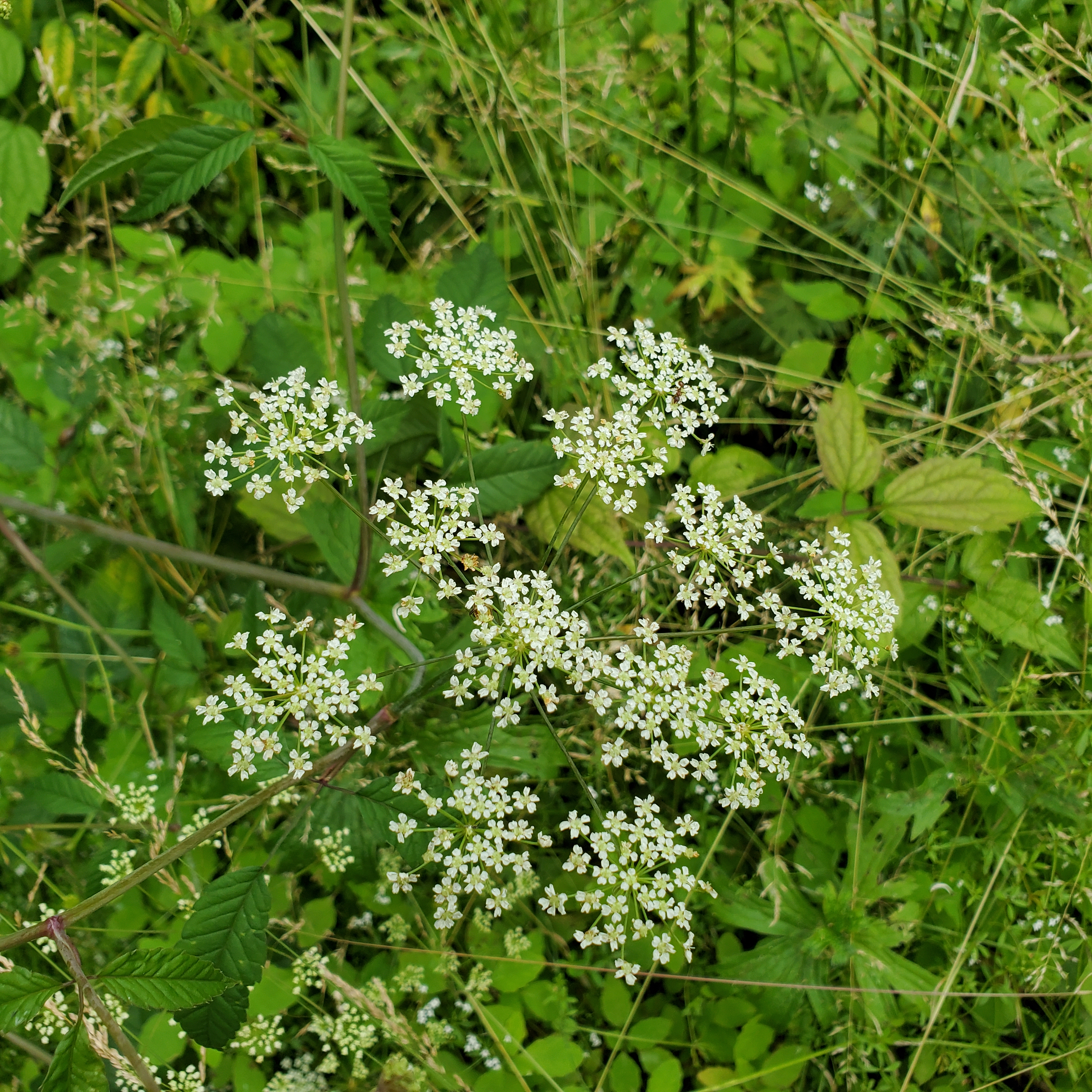
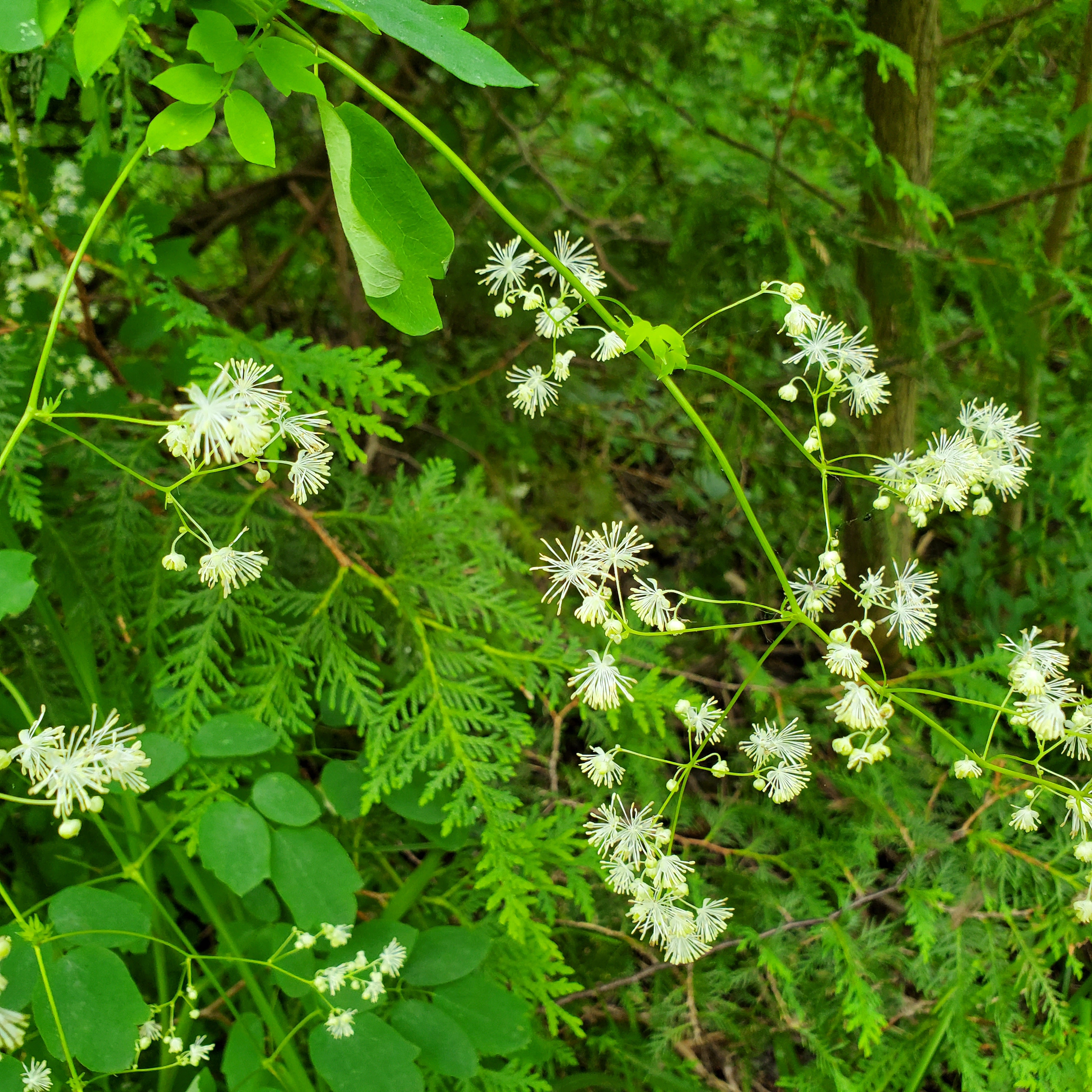
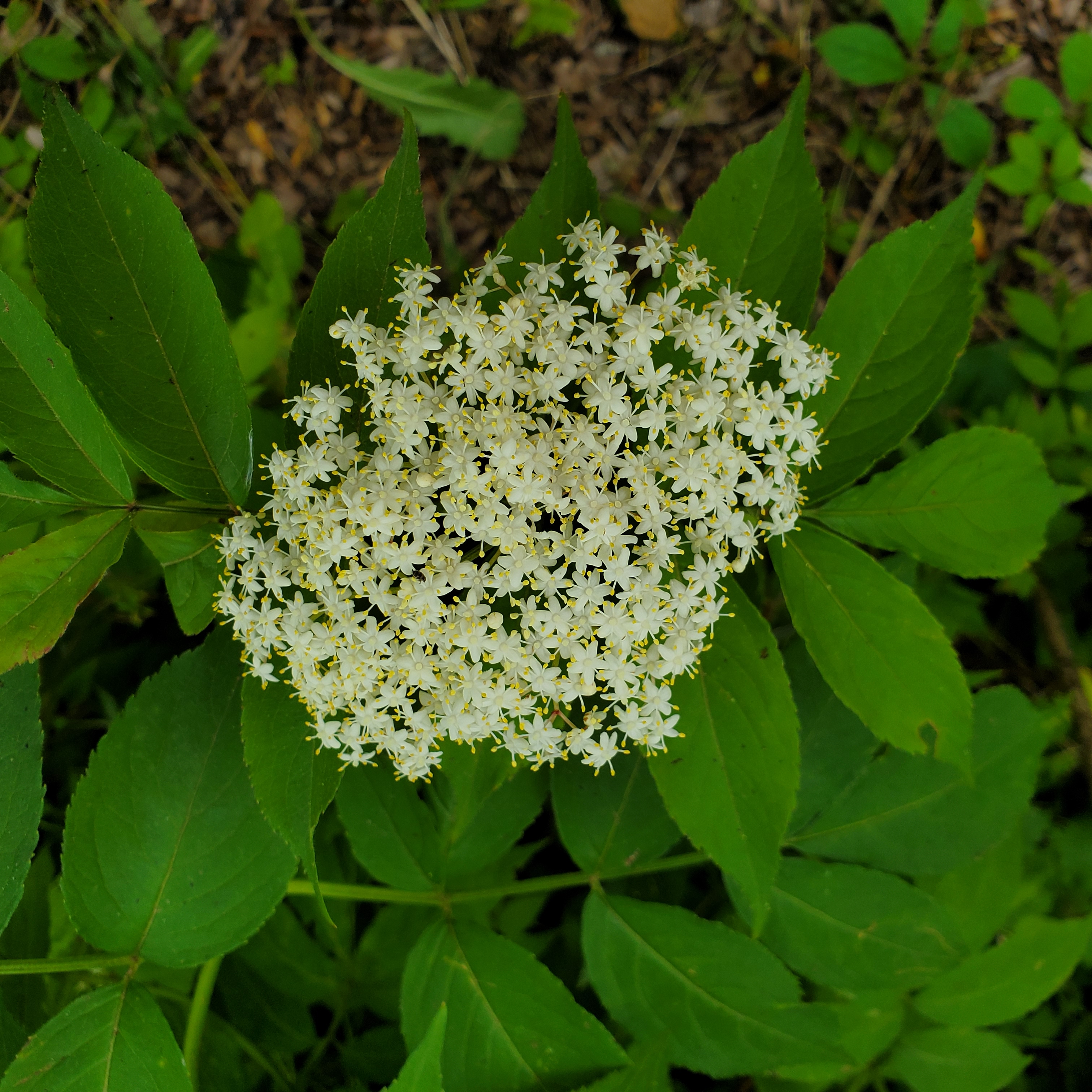
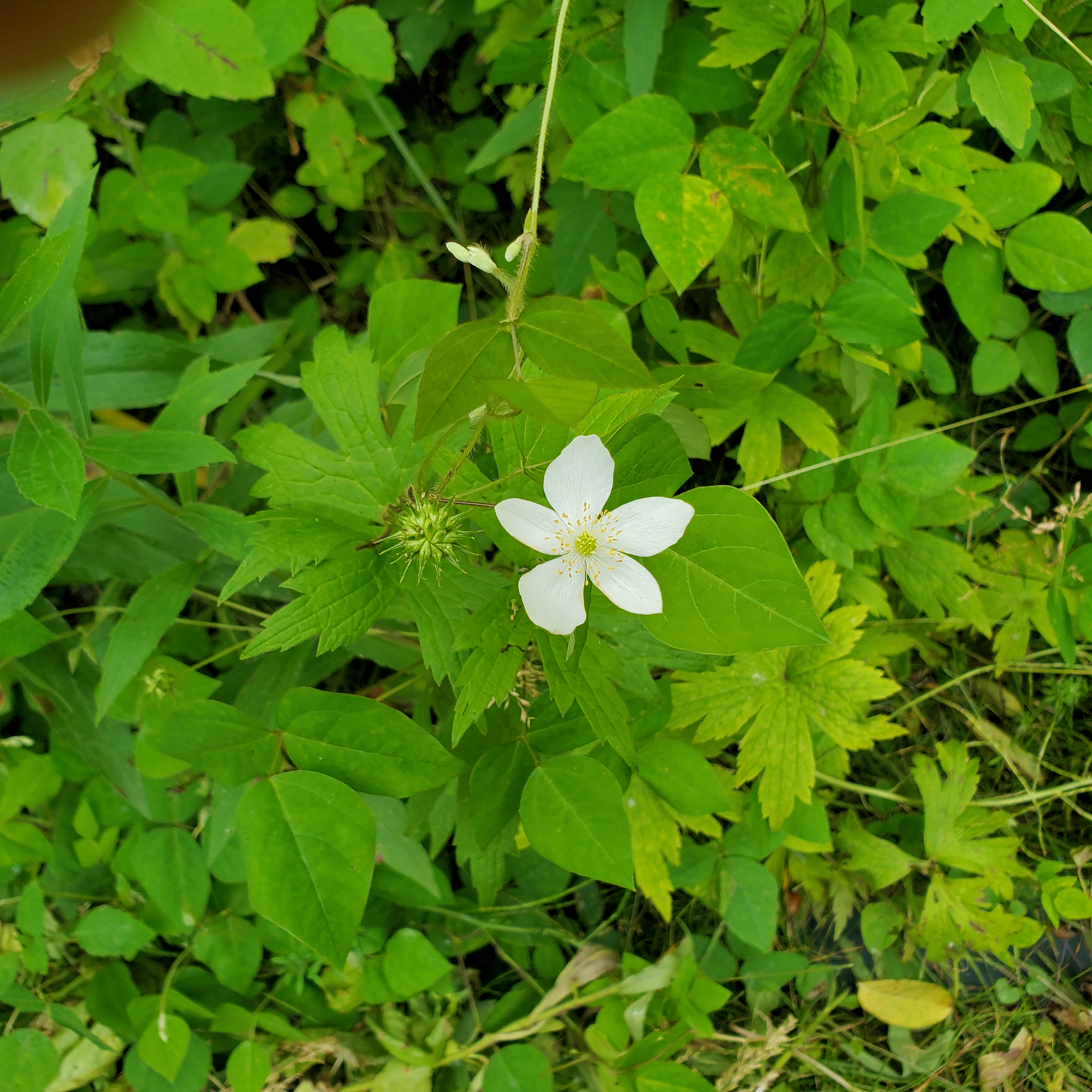
After a very warm, rainy June, the wet meadow is greener than it’s been in our 3 summers here so far. Lots of white flowers (naturally growing, i.e. not planted) are blooming right now; for example, above, water hemlock, tall meadow rue, Canadian elderberry and Canada anemone. Meanwhile, the native plants I’ve been planting are really taking off (below):
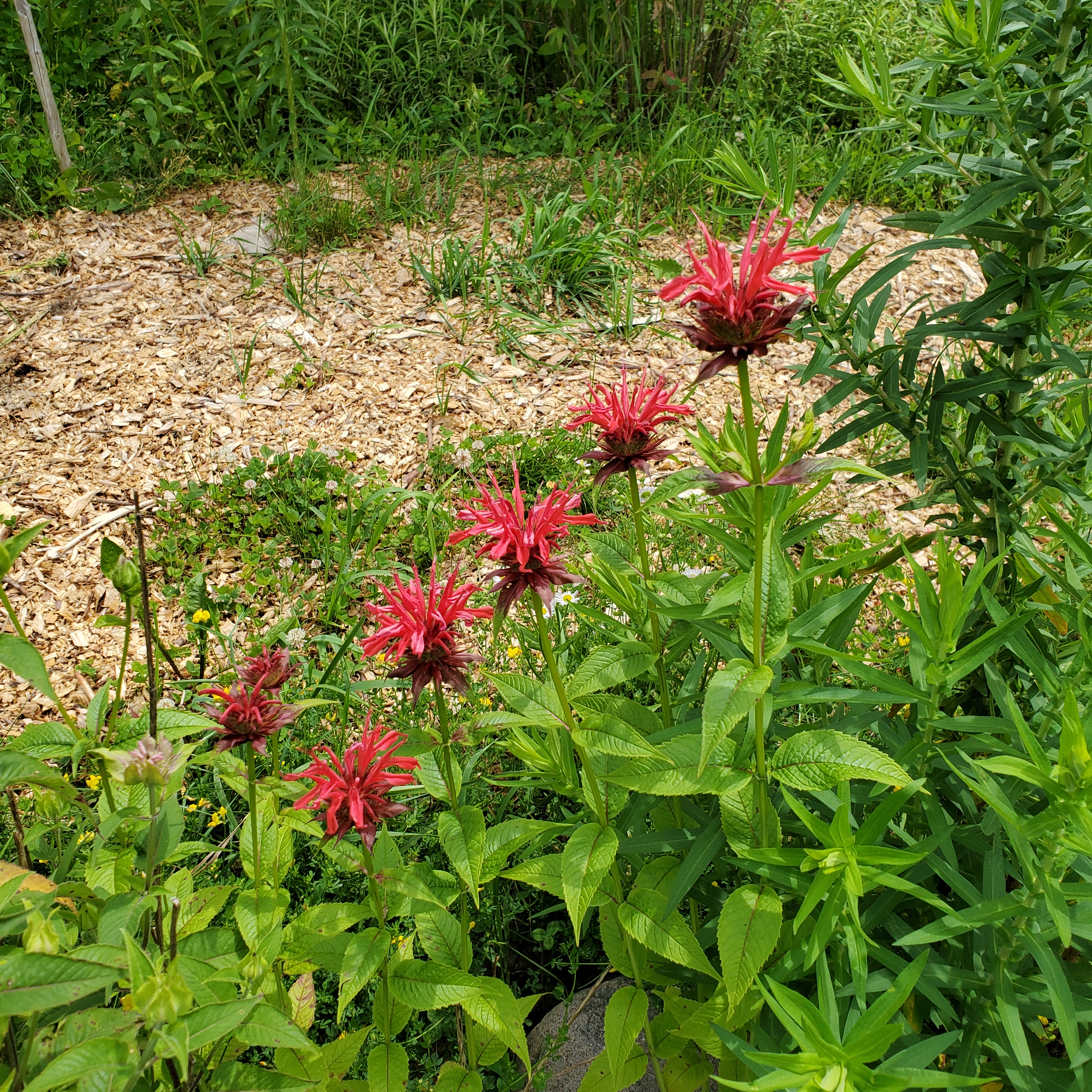
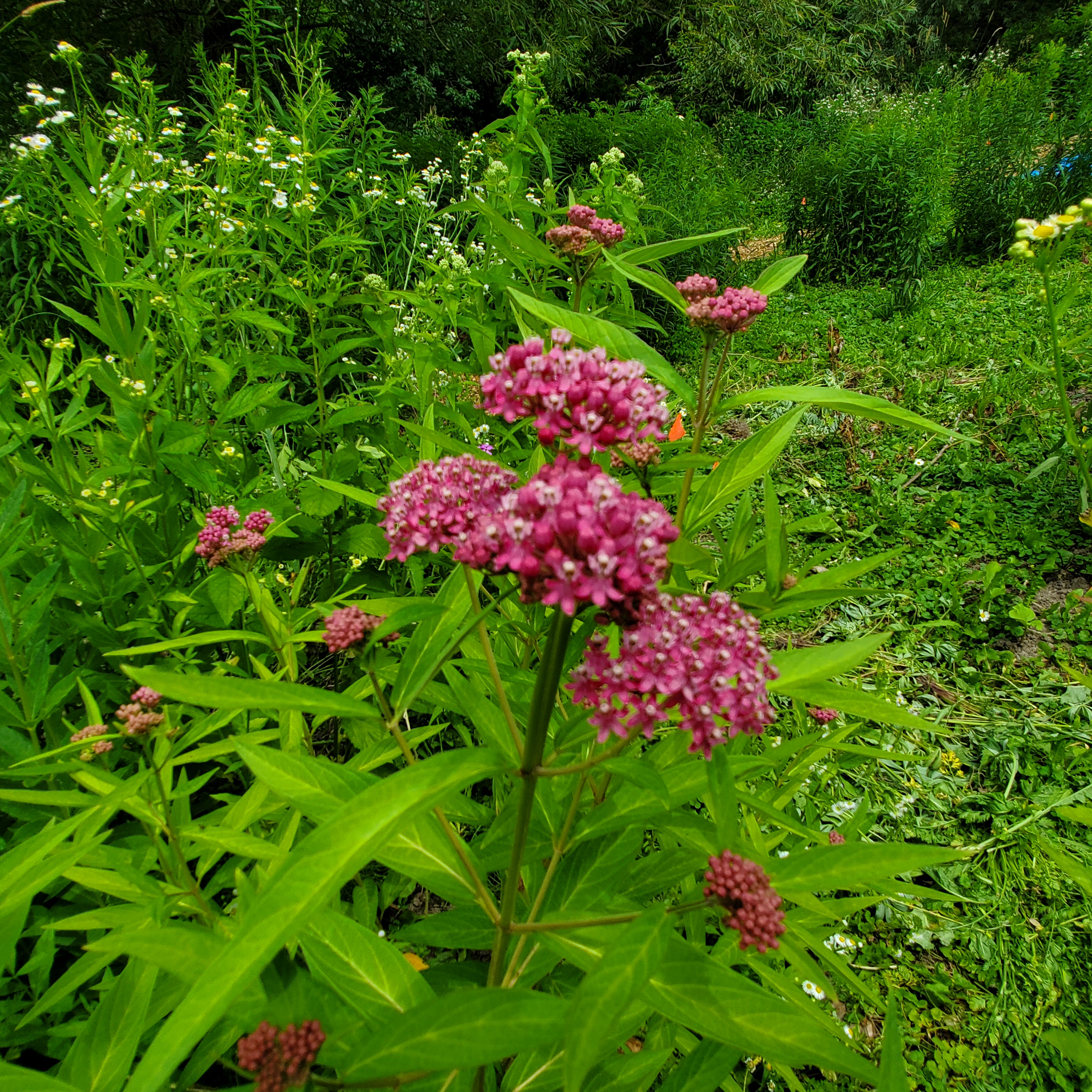
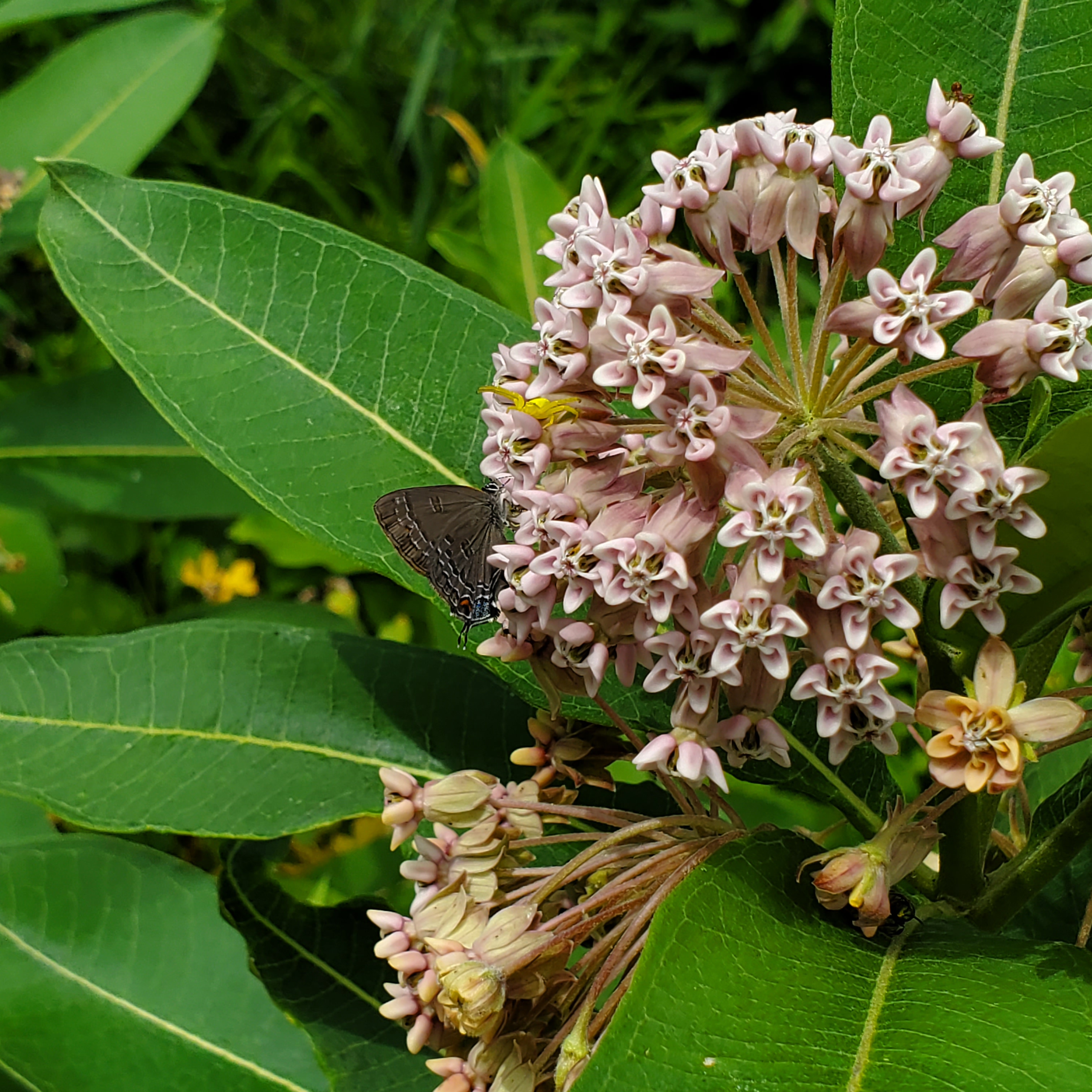
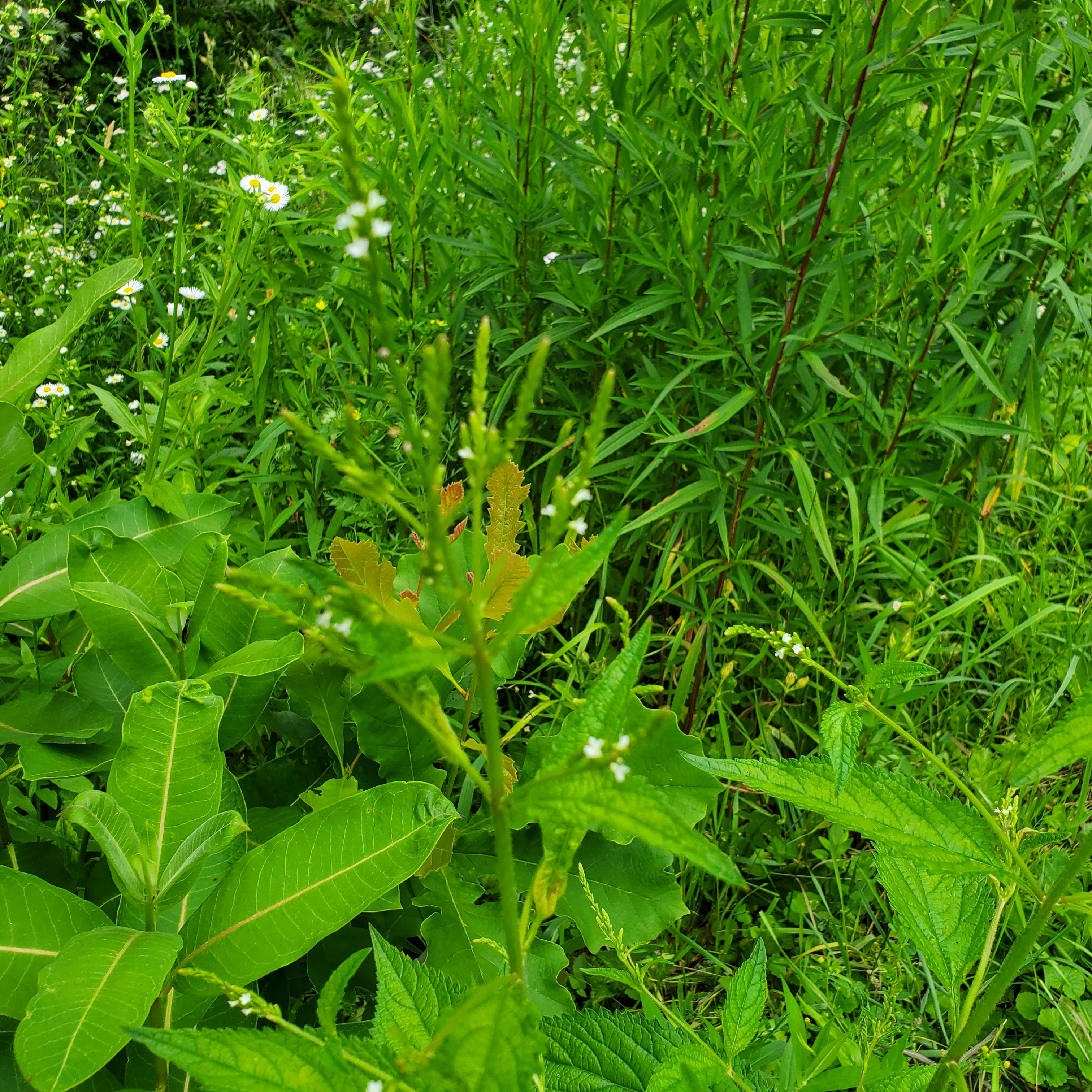
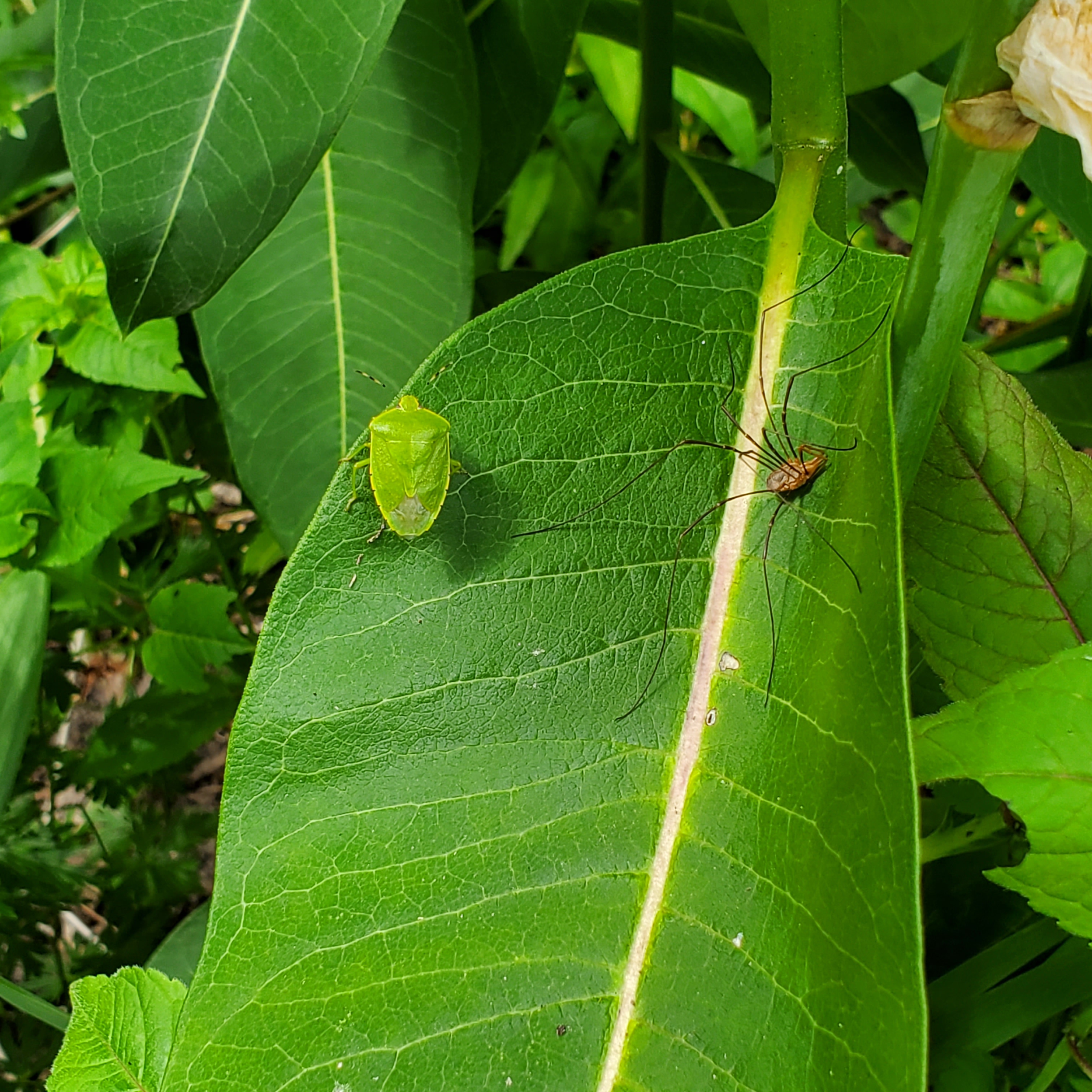
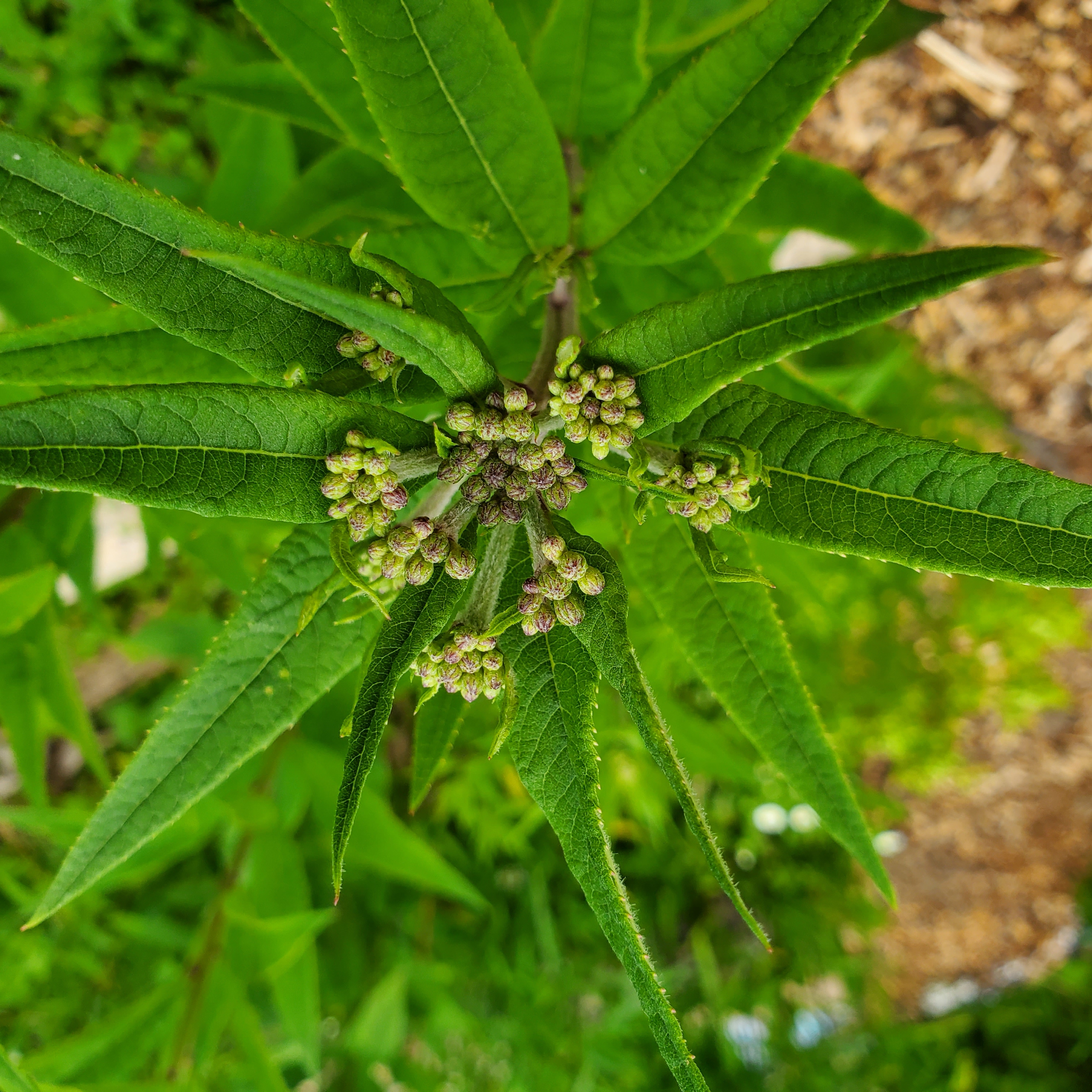
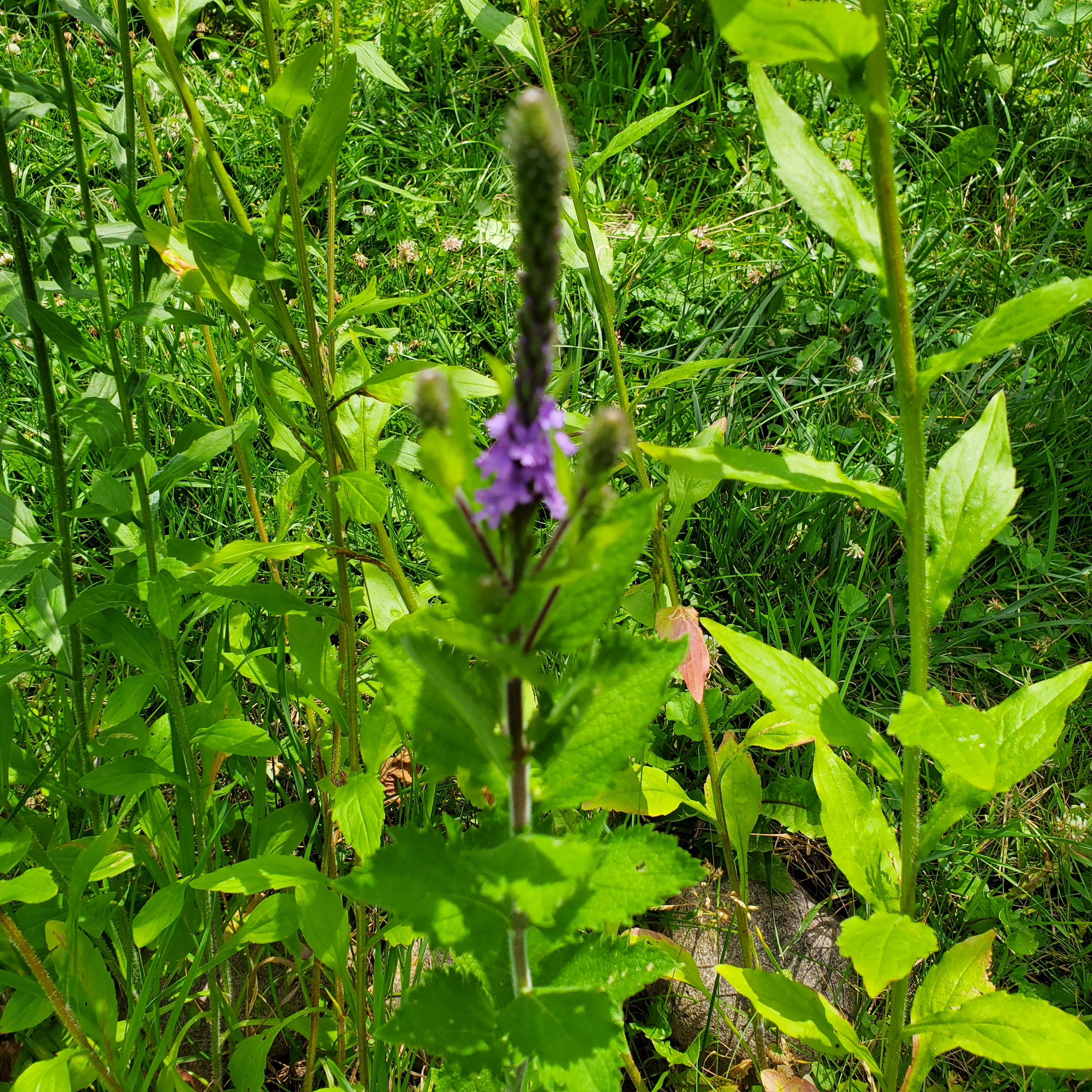
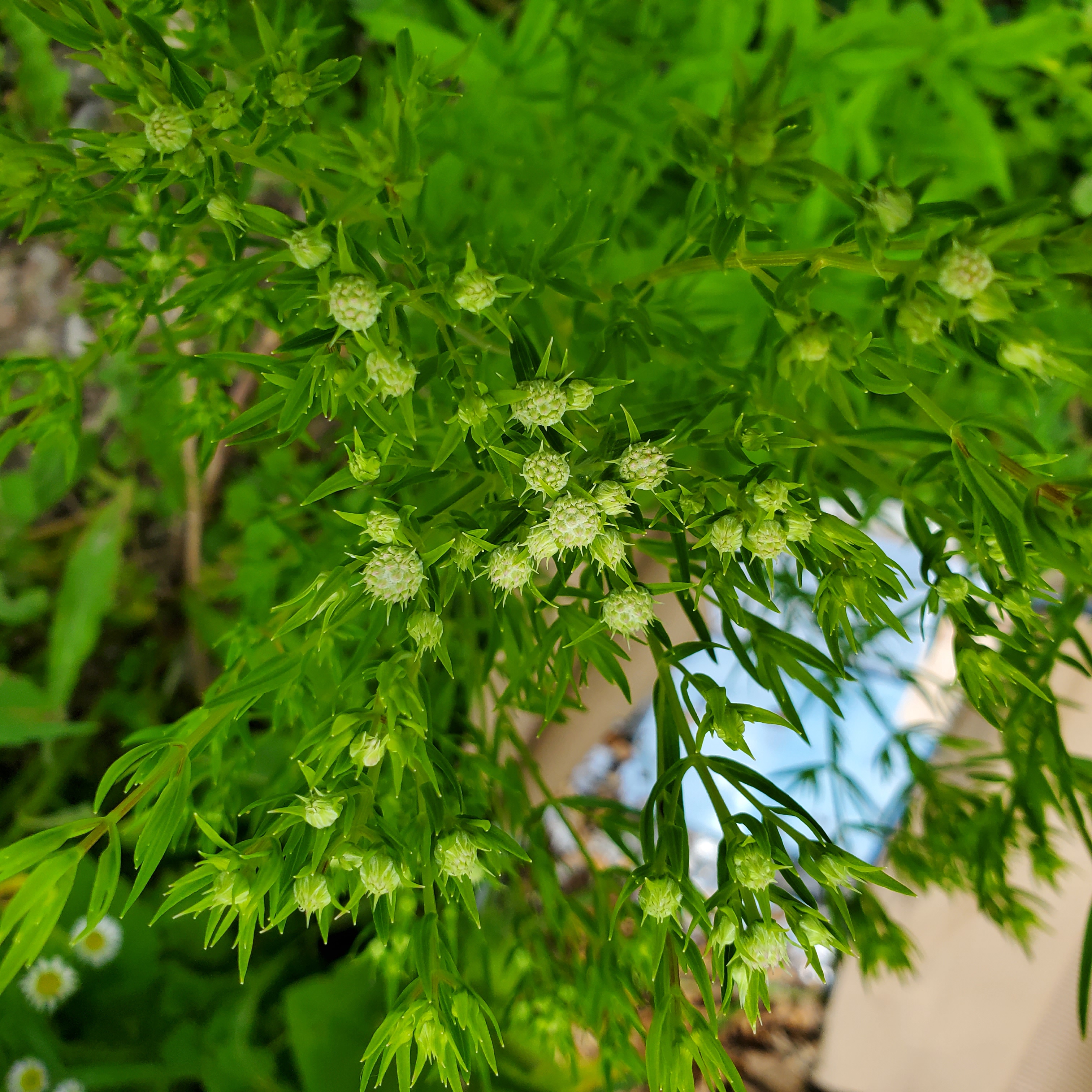
I’ll add Latin names later: from top right, clockwise: Scarlet Beebalm (Monarda didyma), Swamp Milkweed (Asclepias incarnata), a Blue butterfly and yellow crab spider on Common Milkweed (Asclepiassyriaca), Ironweed, about to bloom; Virginia mountain-mint, about to bloom; Hoary Vervain, grown from seeds collected in the amazing native gardens at University College, University of Toronto; White Vervain, in foreground, with Burr Oak, Common Milkweed and more behind it; centre, a large stink bug and “daddy-longlegs” on a Common Milkweed leaf.
It’s been an unusually rainy June, coupled with some truly hot days. As a result, the plants in my garden are growing like mad. Here’s a selective round up for June 2024 so far, starting with some lovely fireweed (Chamaenerion angustifolium), with some yarrow (Achillea millefolium) and fleabane (Erigeron annuus) in the foreground (also some wild bergamot [Monarda fistulosa], not yet in flower). The trees in the background are trembling aspen (Populus tremuloides).
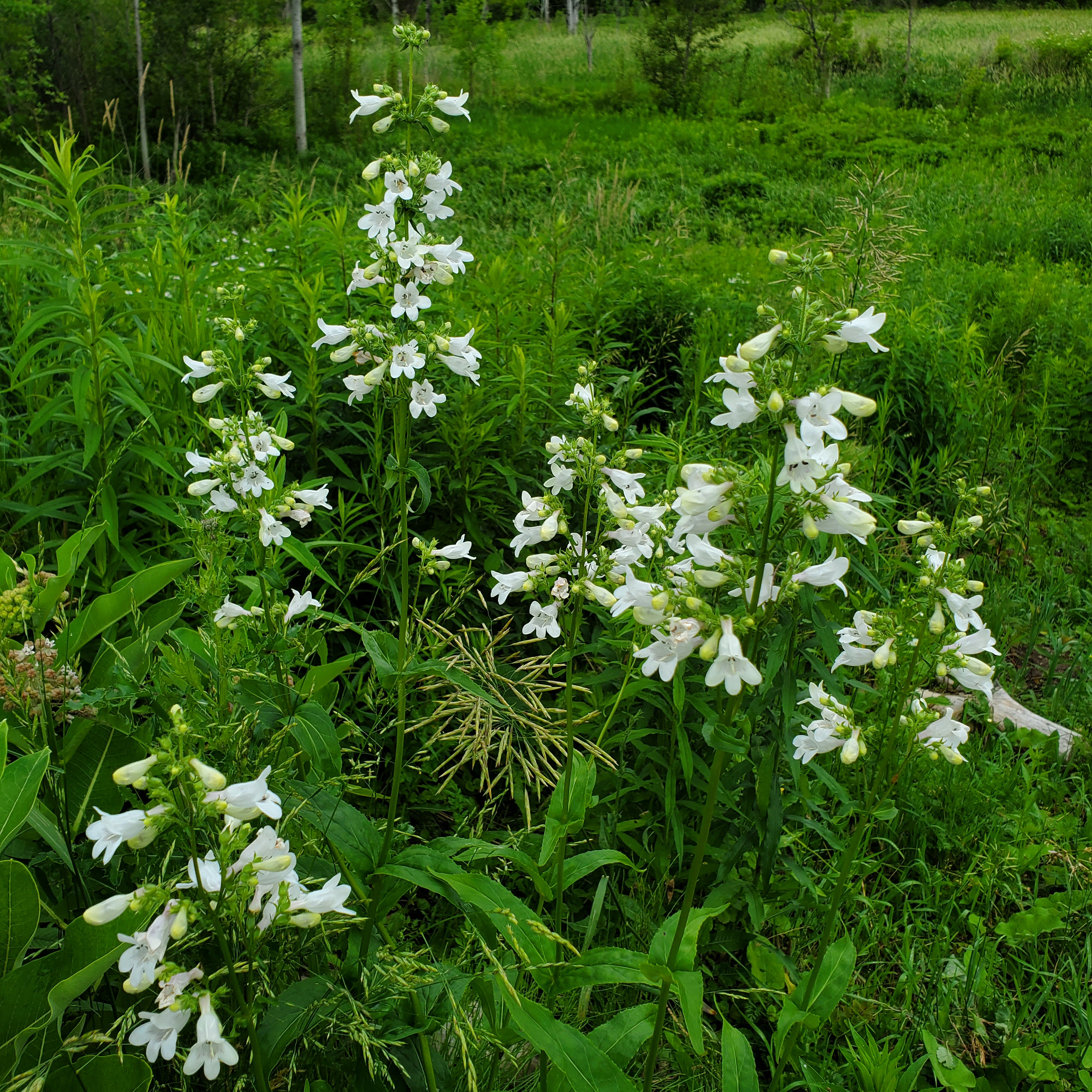
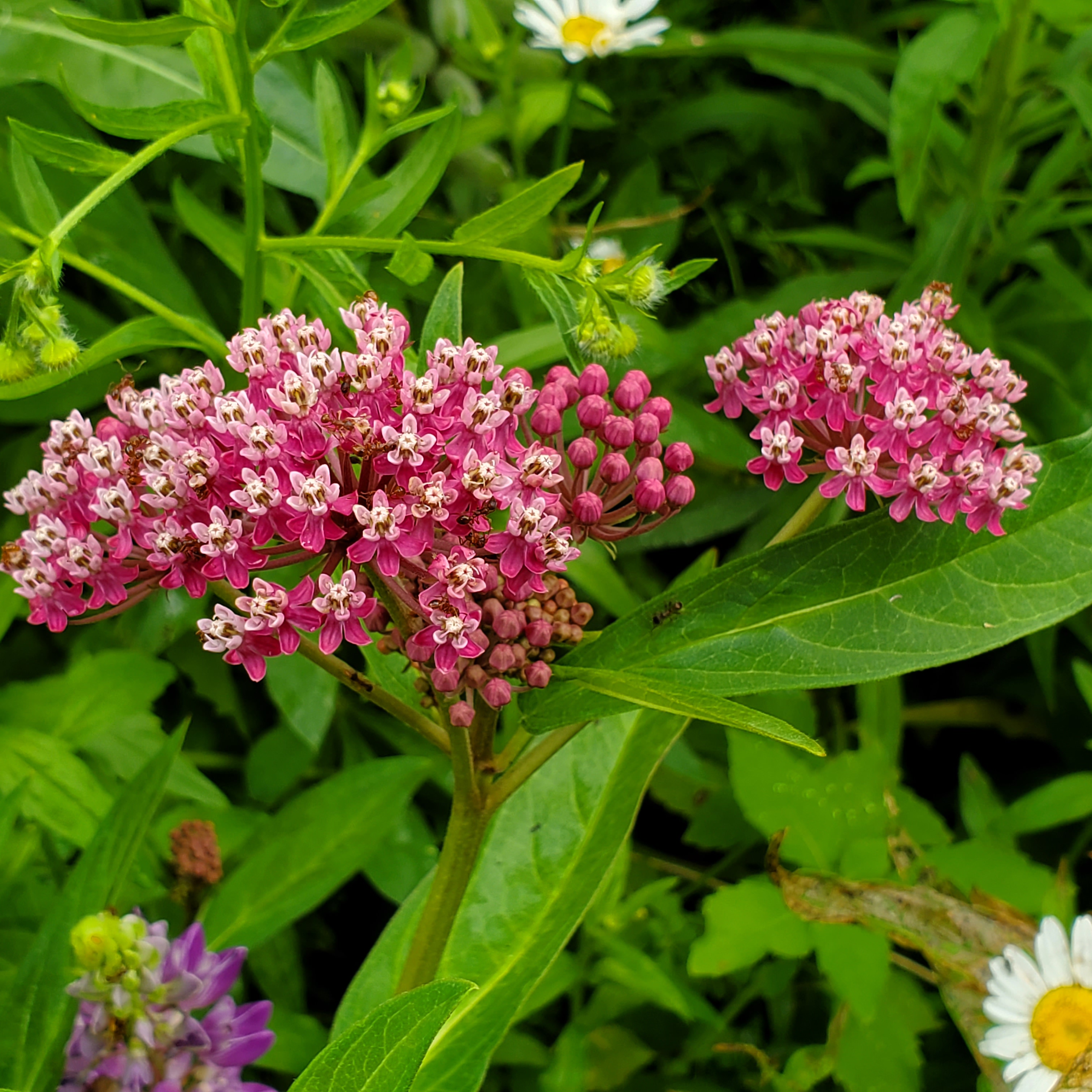
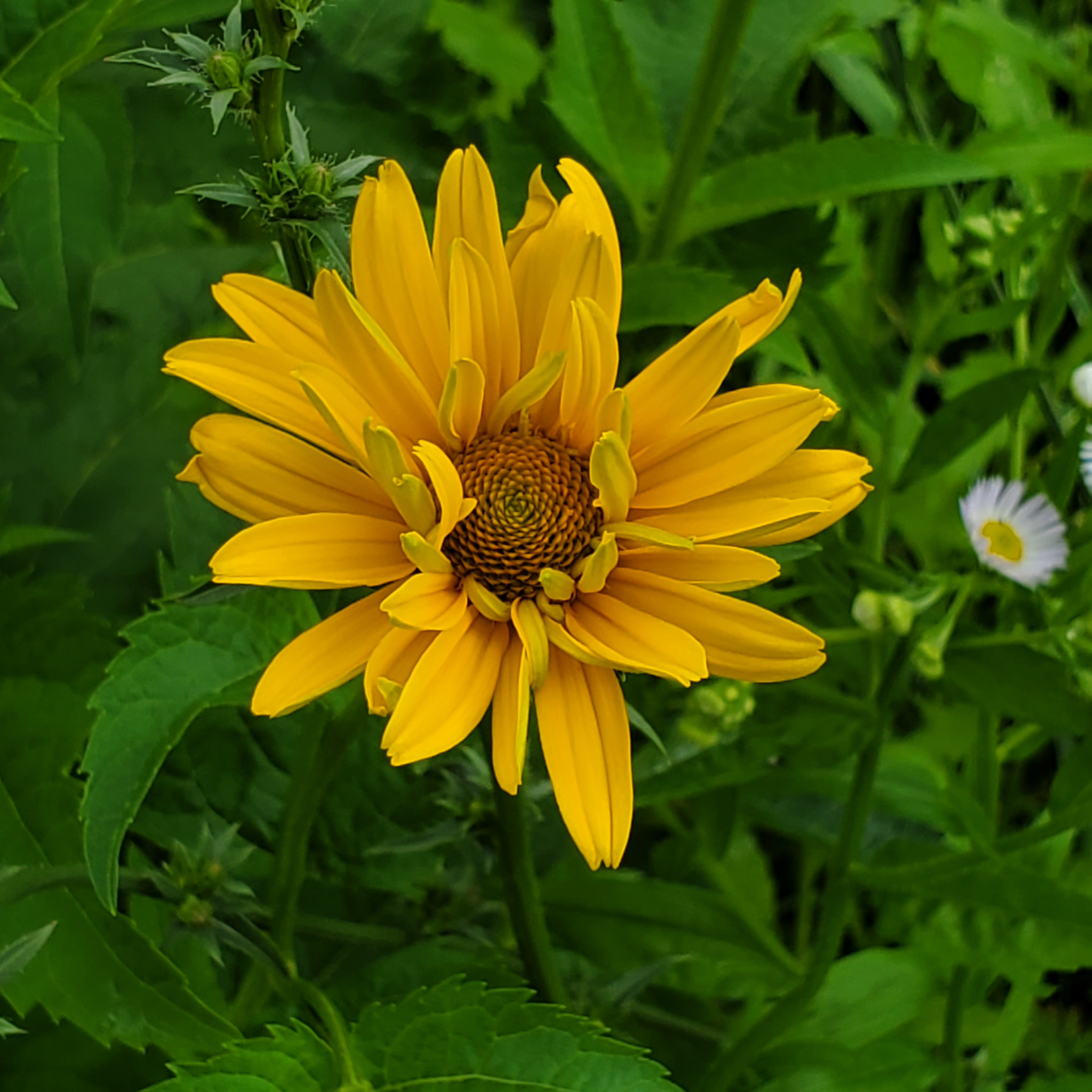
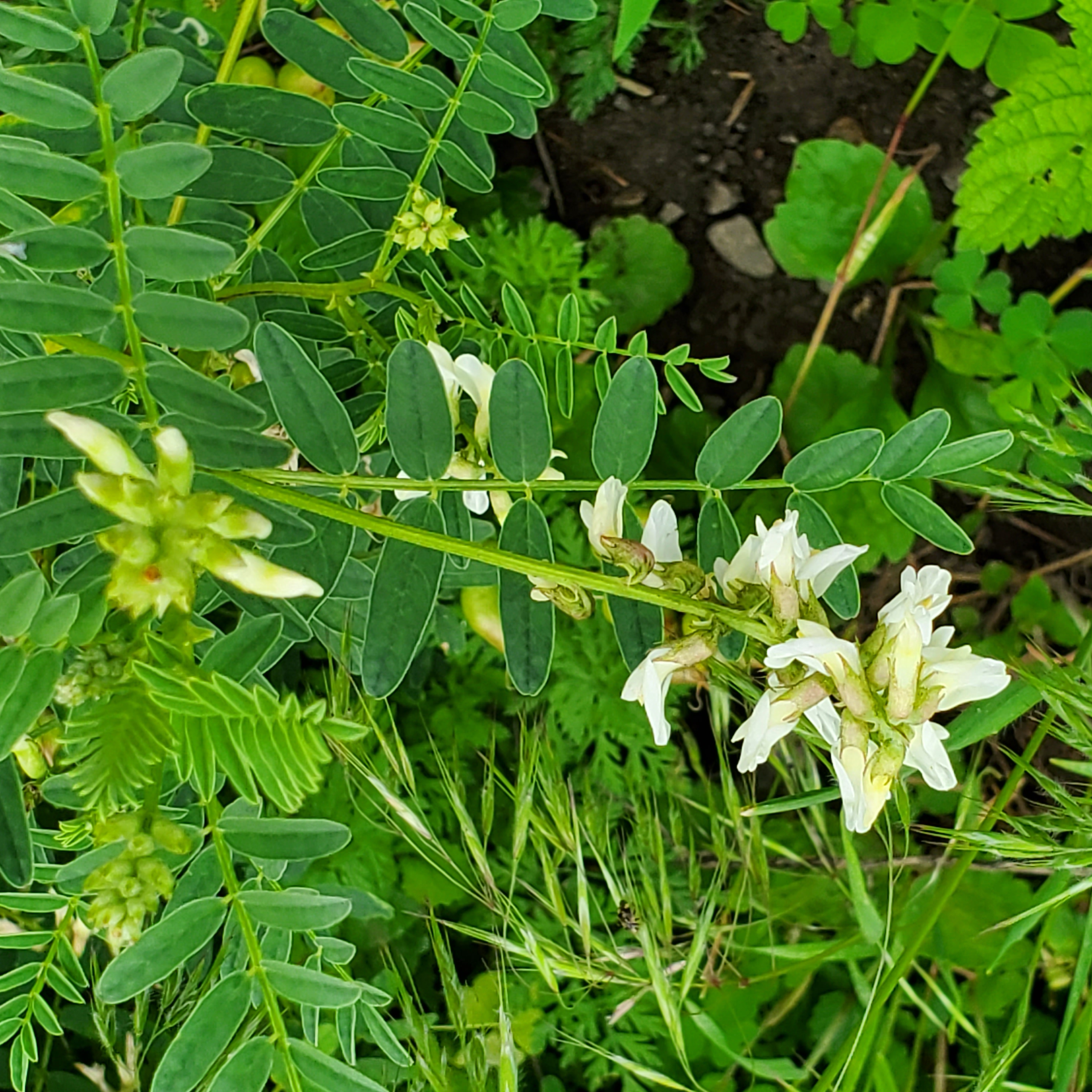
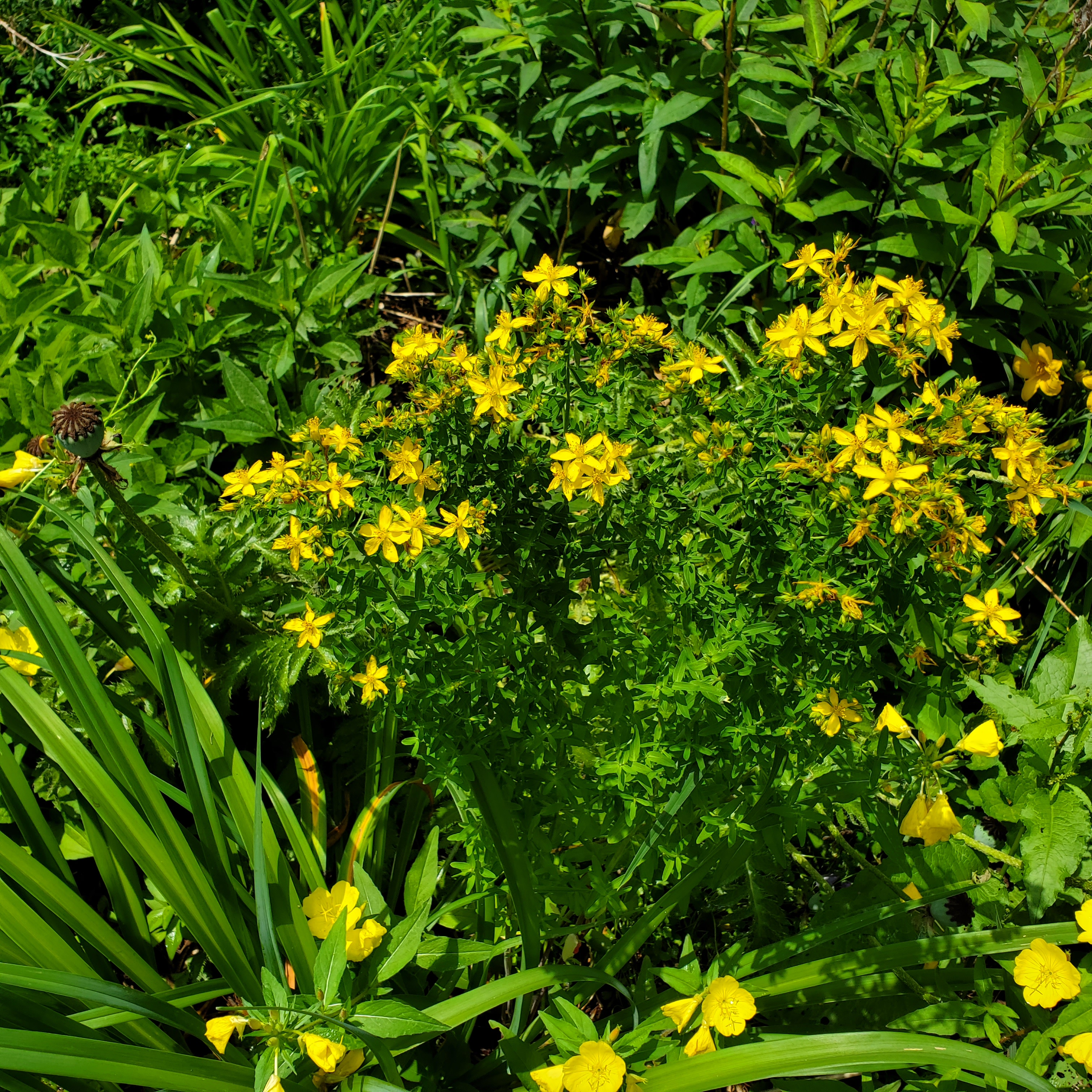
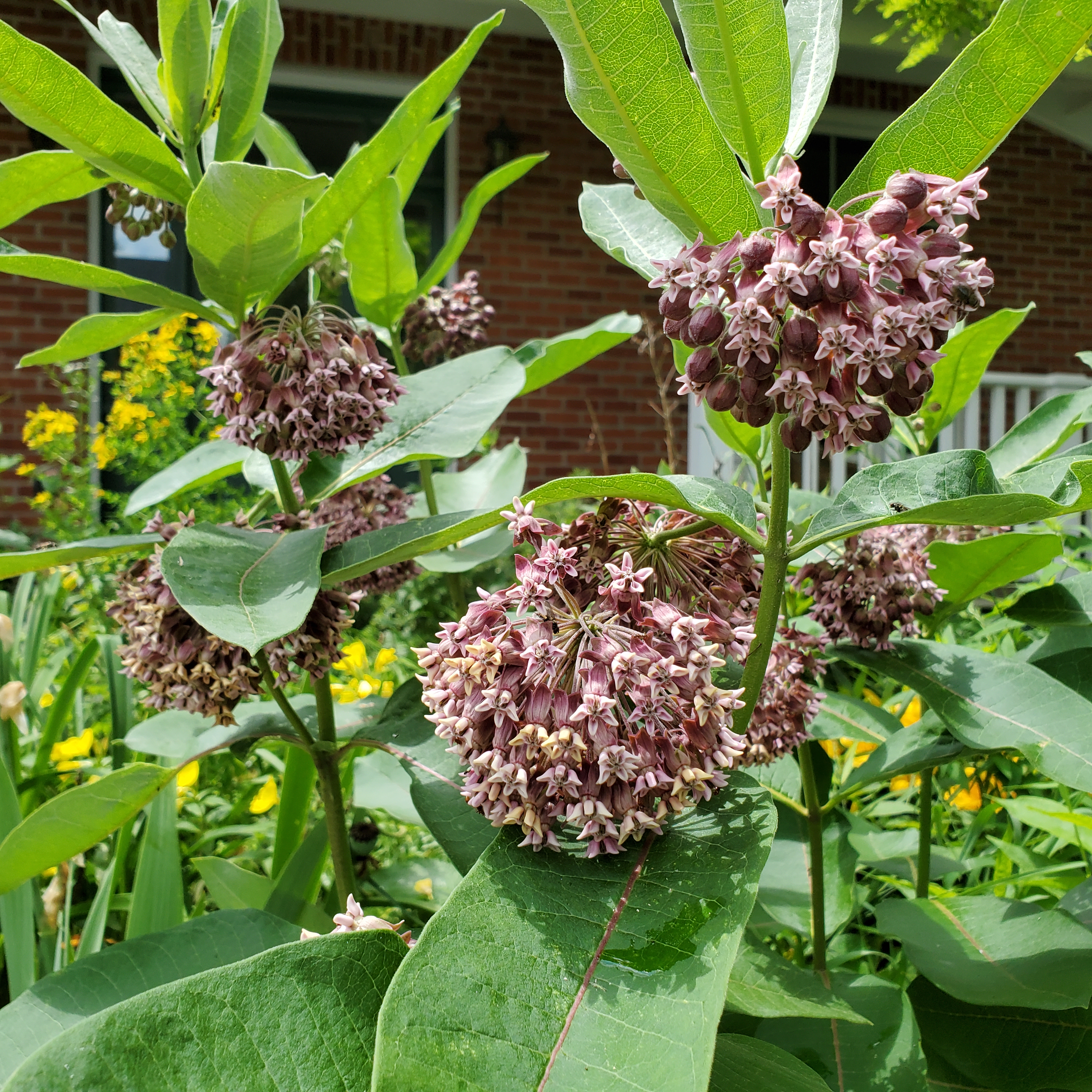
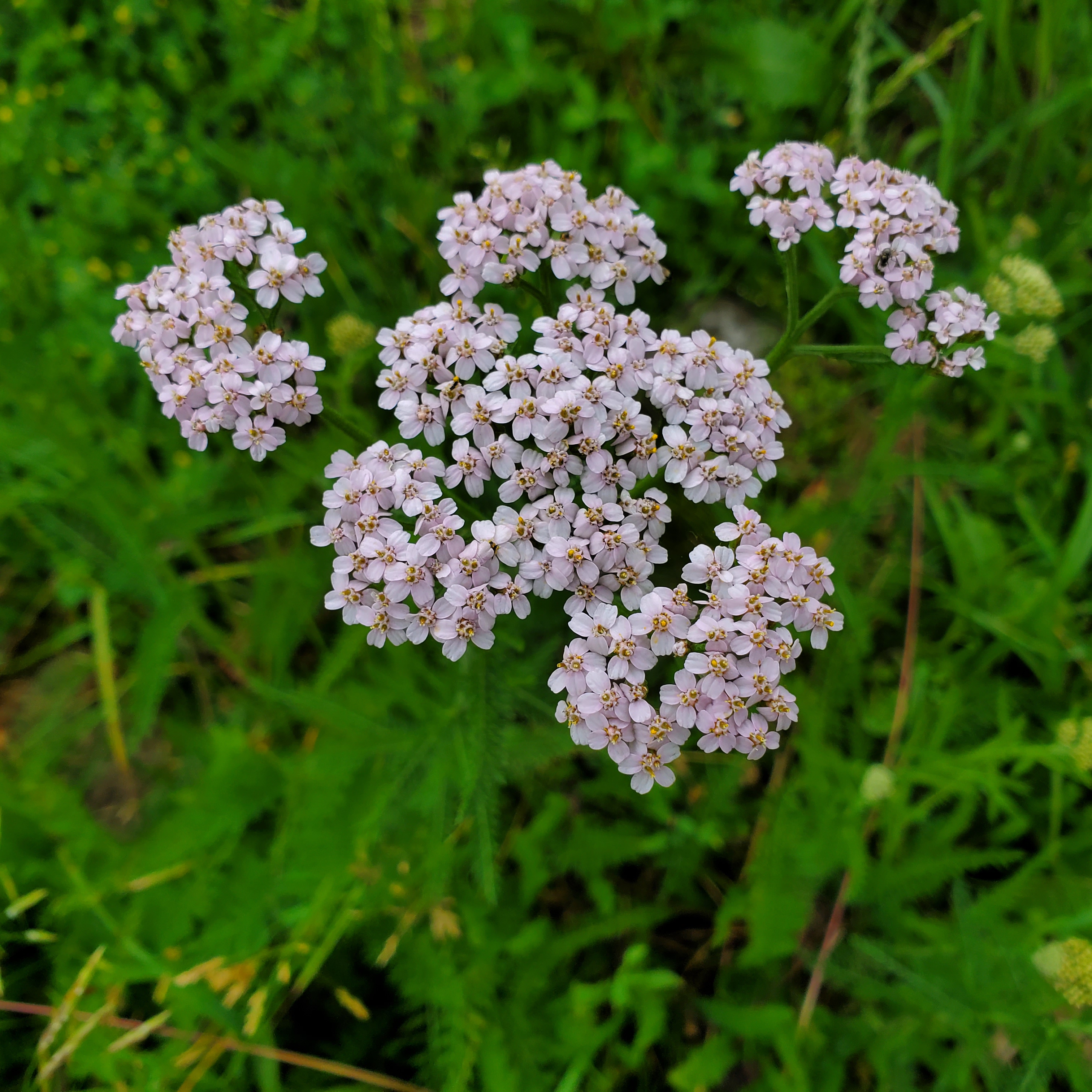
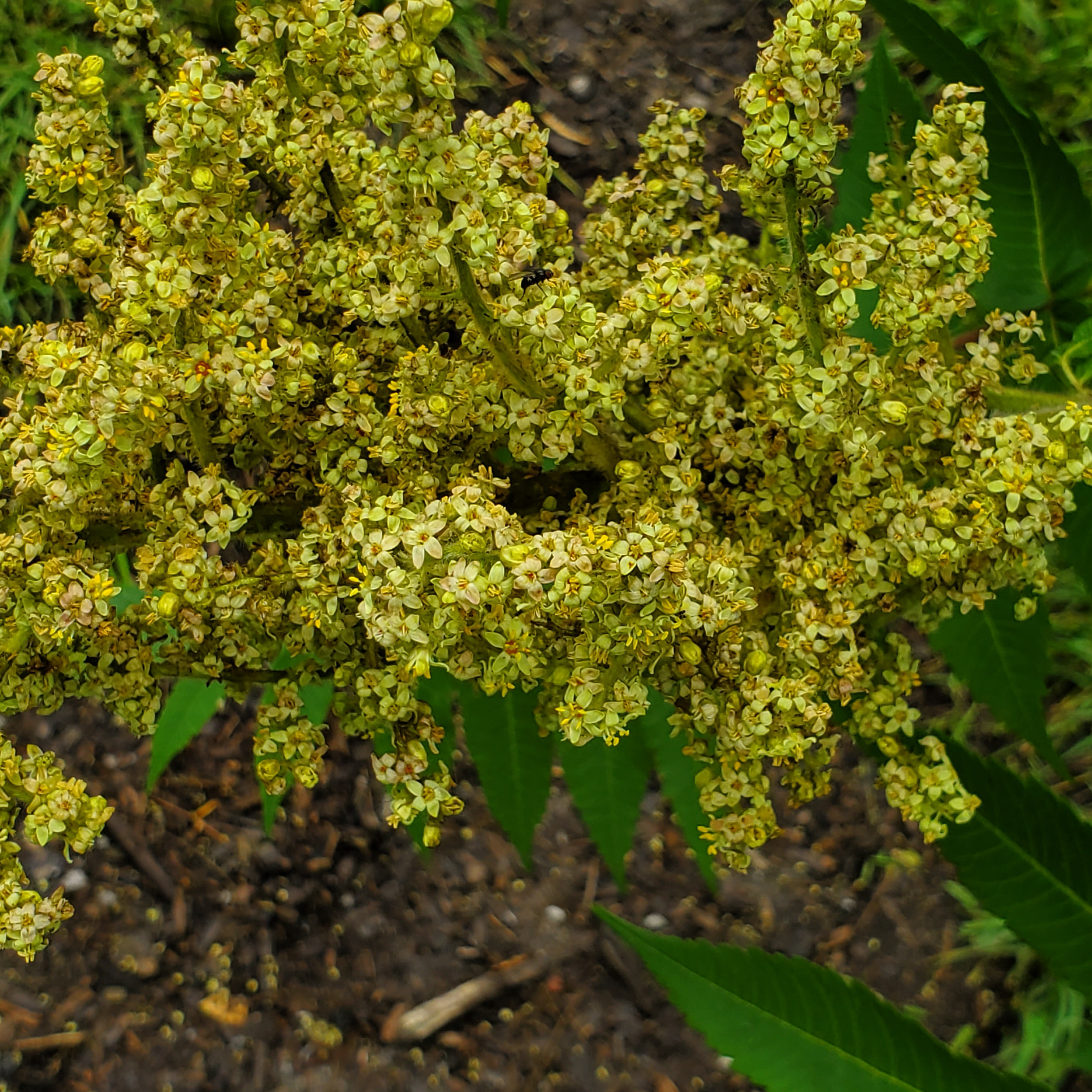
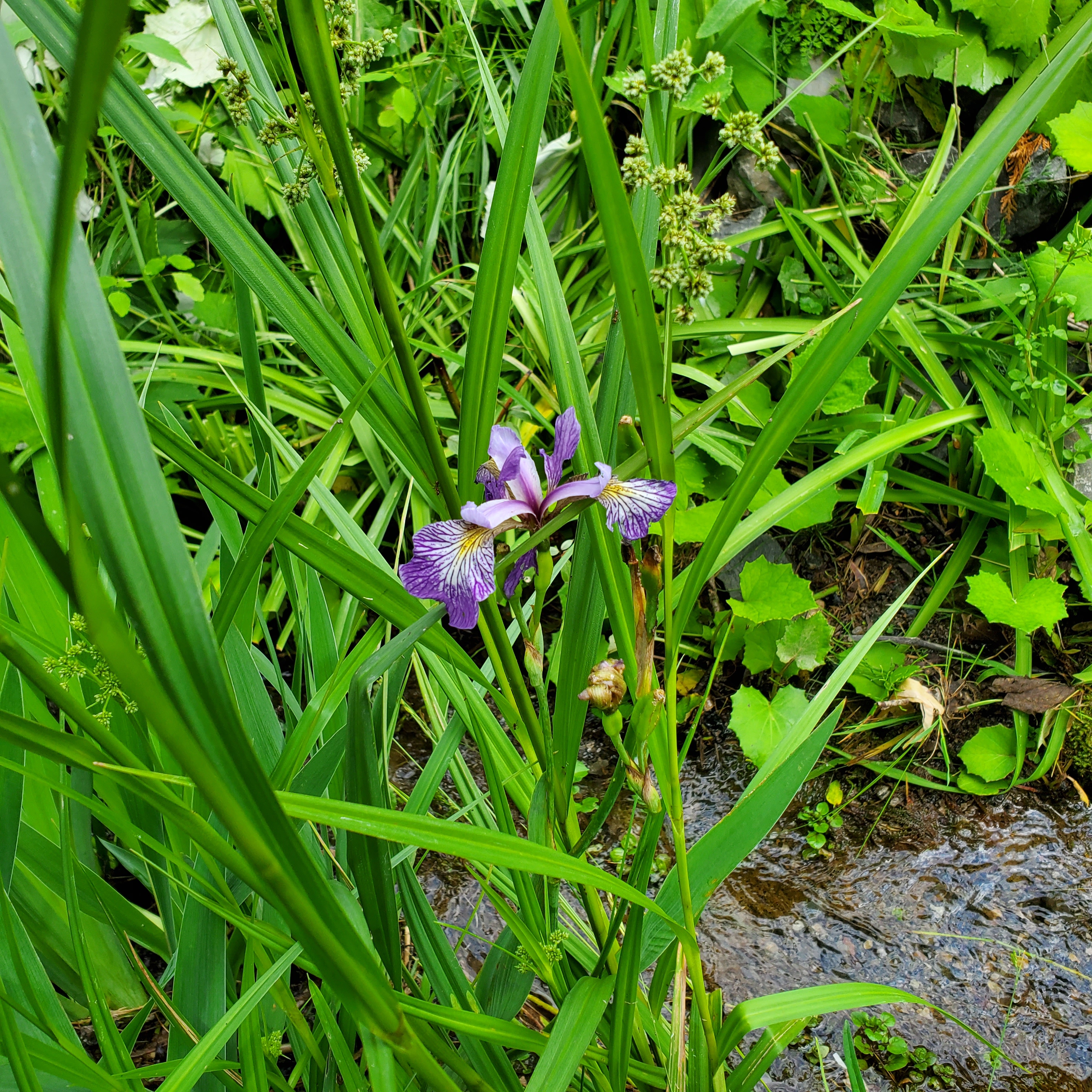
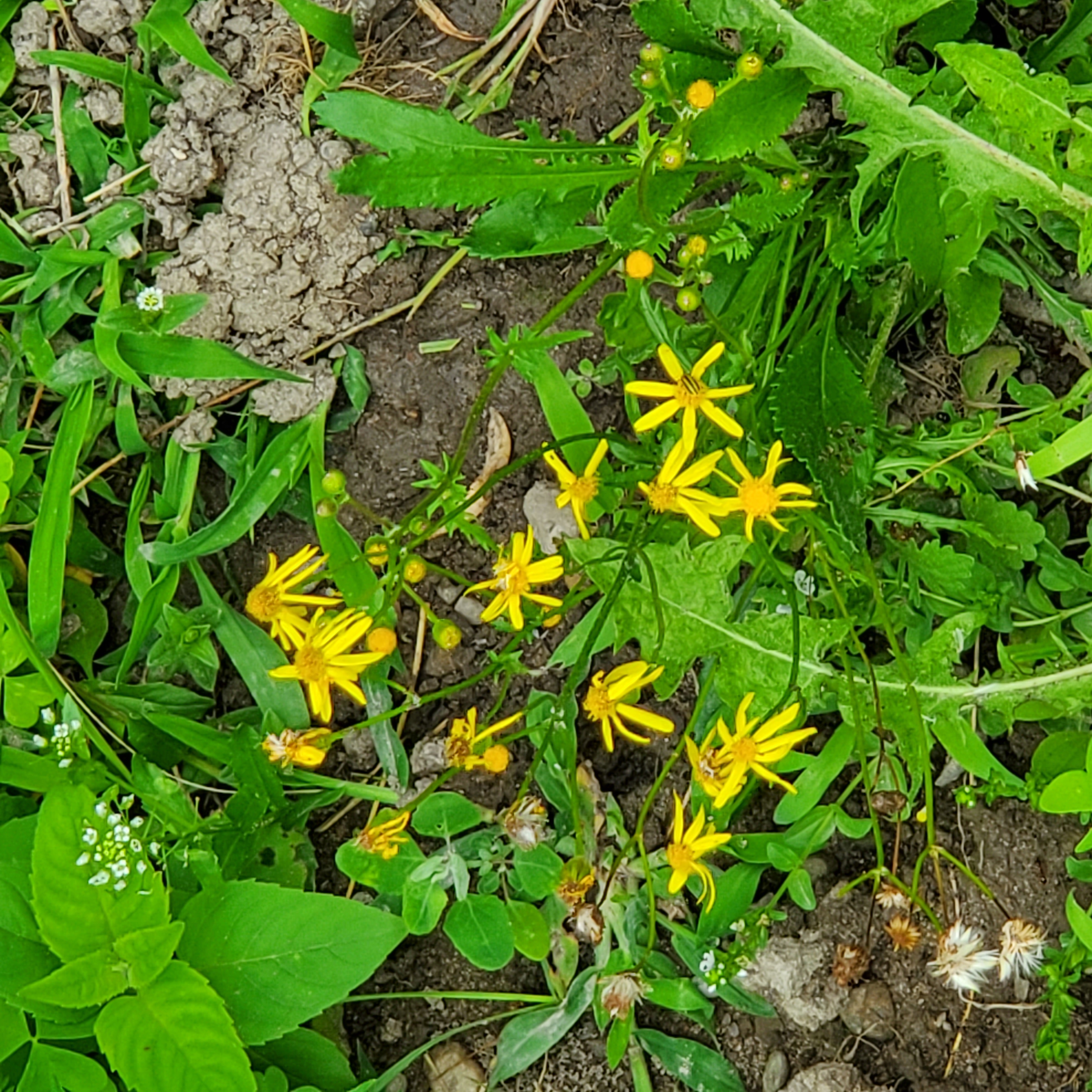
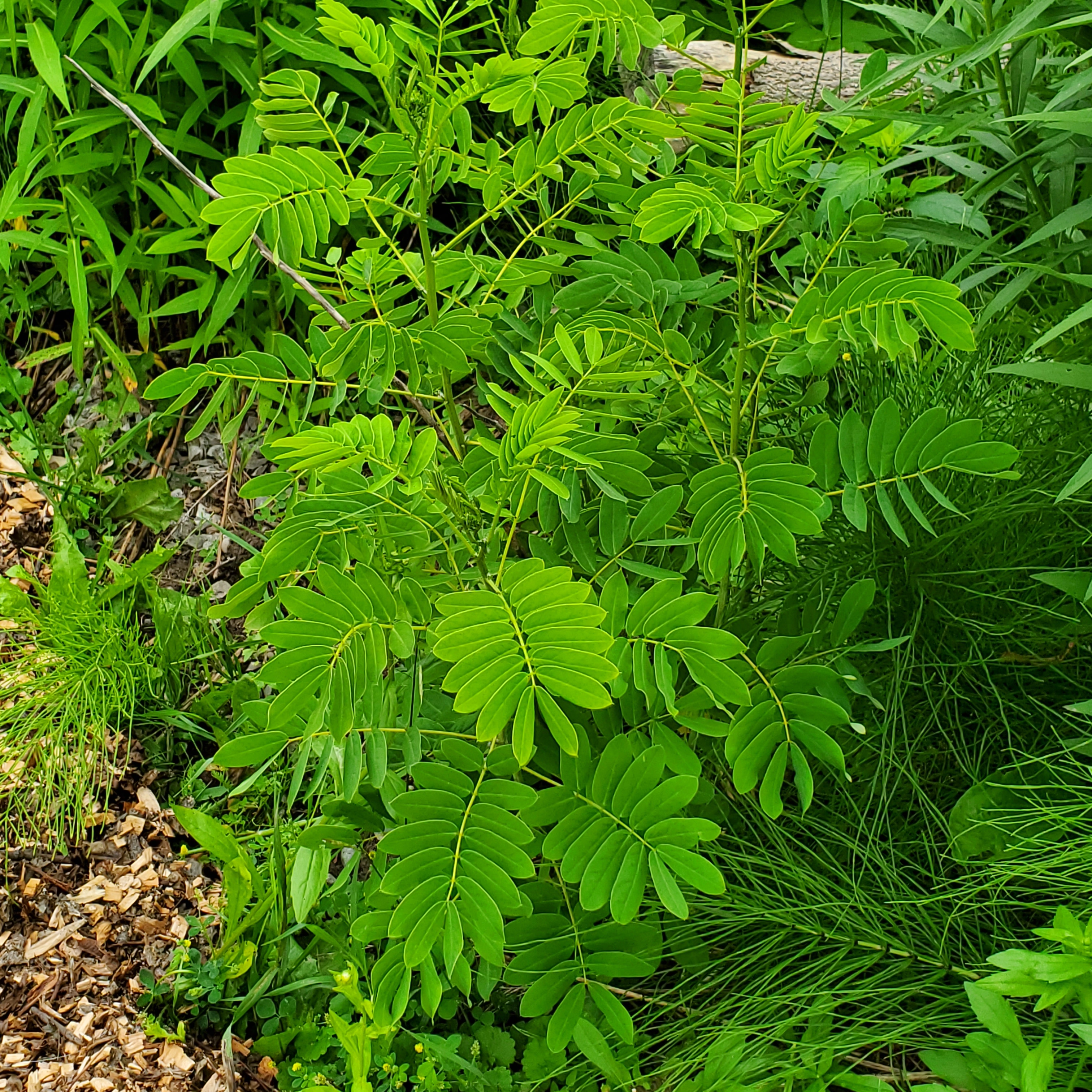
Above, clockwise from top left: foxglove beardtongue (Penstemon digitalis), swamp milkweed (Asclepias incarnata), rough oxeye (Heliopsis helianthoides), common milkweed (Asclepias syriaca), blue flag iris (Iris versicolor), wild senna (Senna hebecarpa), balsam ragwort (Packera paupercula), the strange and surprisingly bee-appealing flower of staghorn sumac (Rhus typhina), yarrow (Achillea millefolium), Canada milkvetch (Astragalus canadensis), and St. John’s wort (Hypericum perforatum).
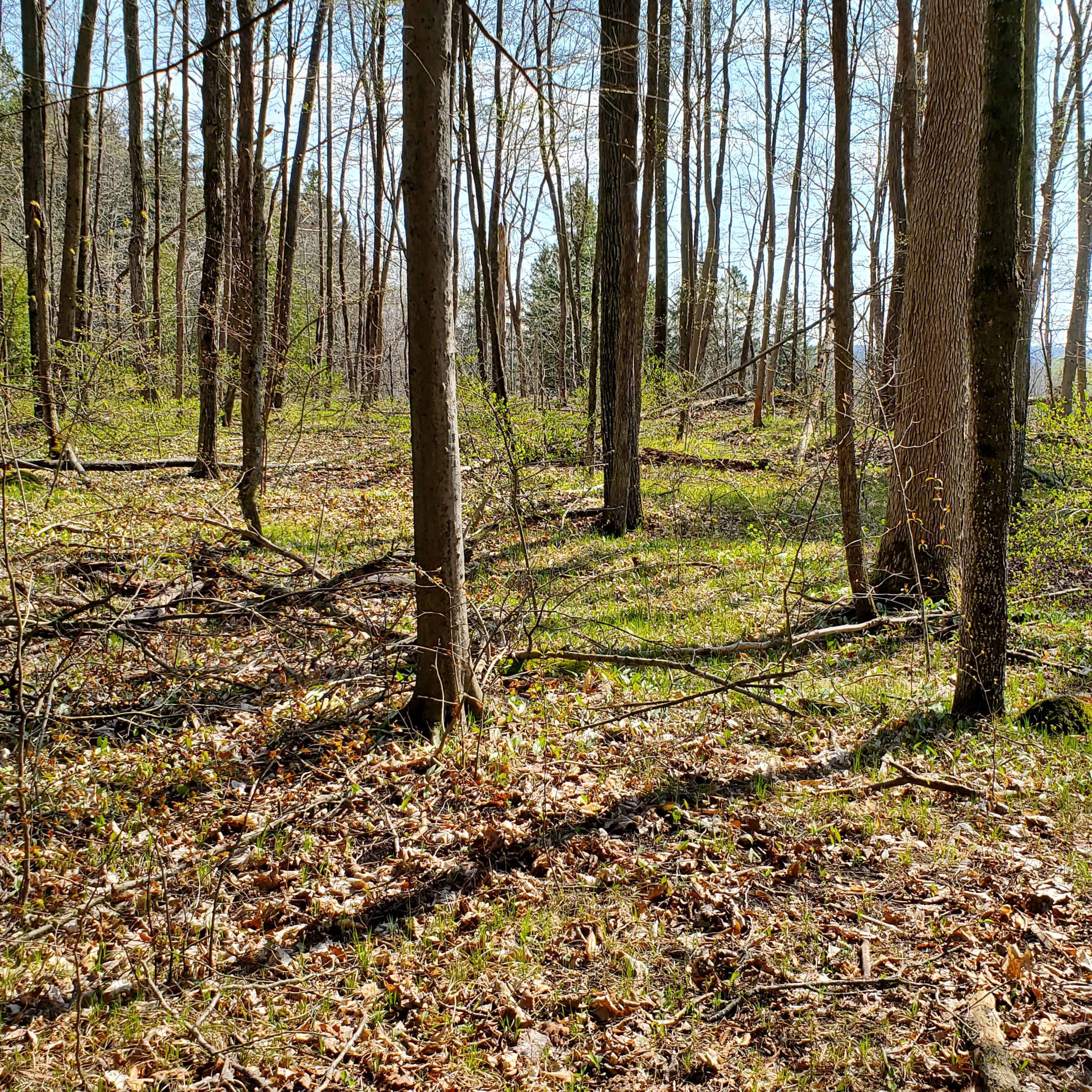
It was a disappointing winter, with little snow. But spring sprang hard anyway. The last week of April, documented here, has been fantastic in my yard and at the local conservation area.
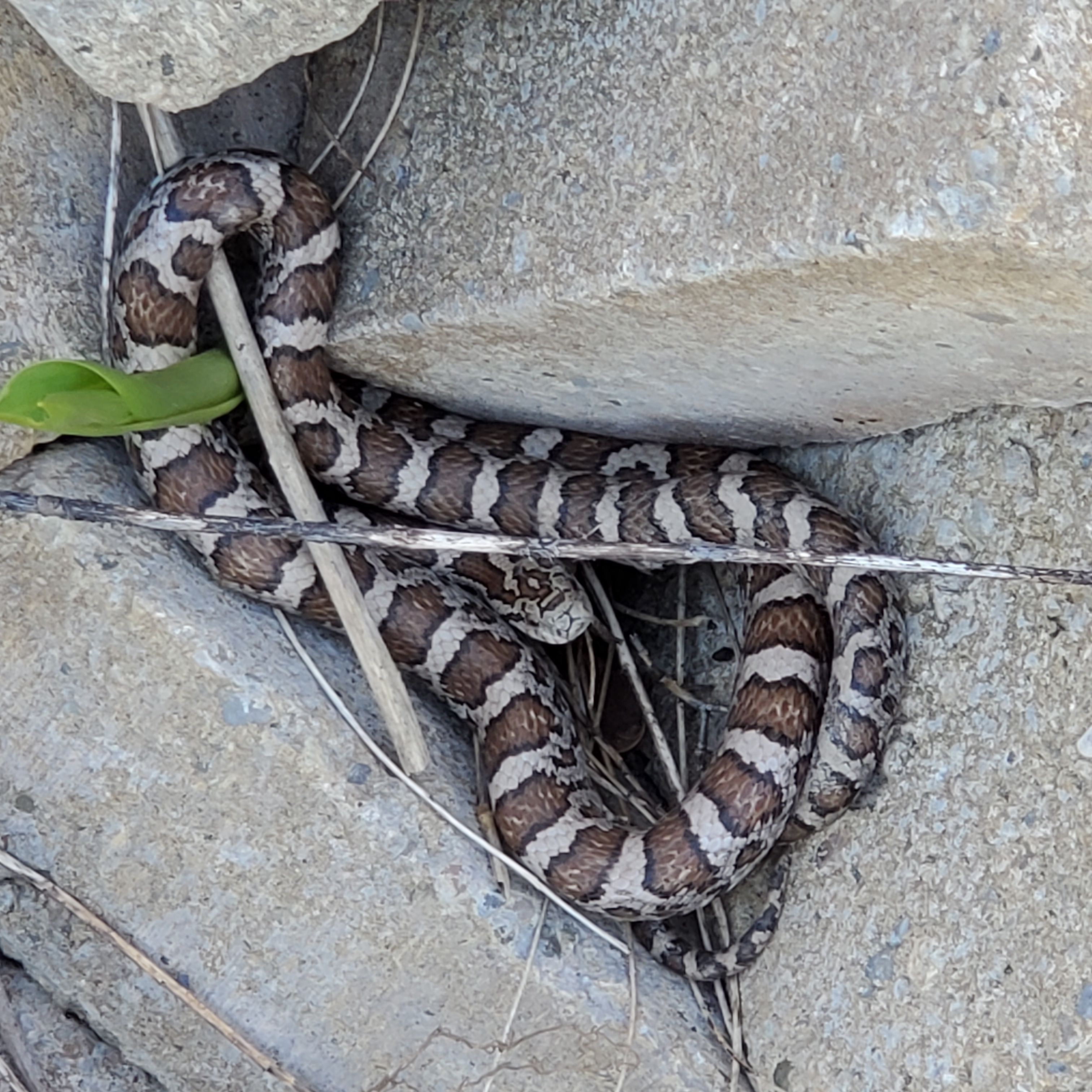
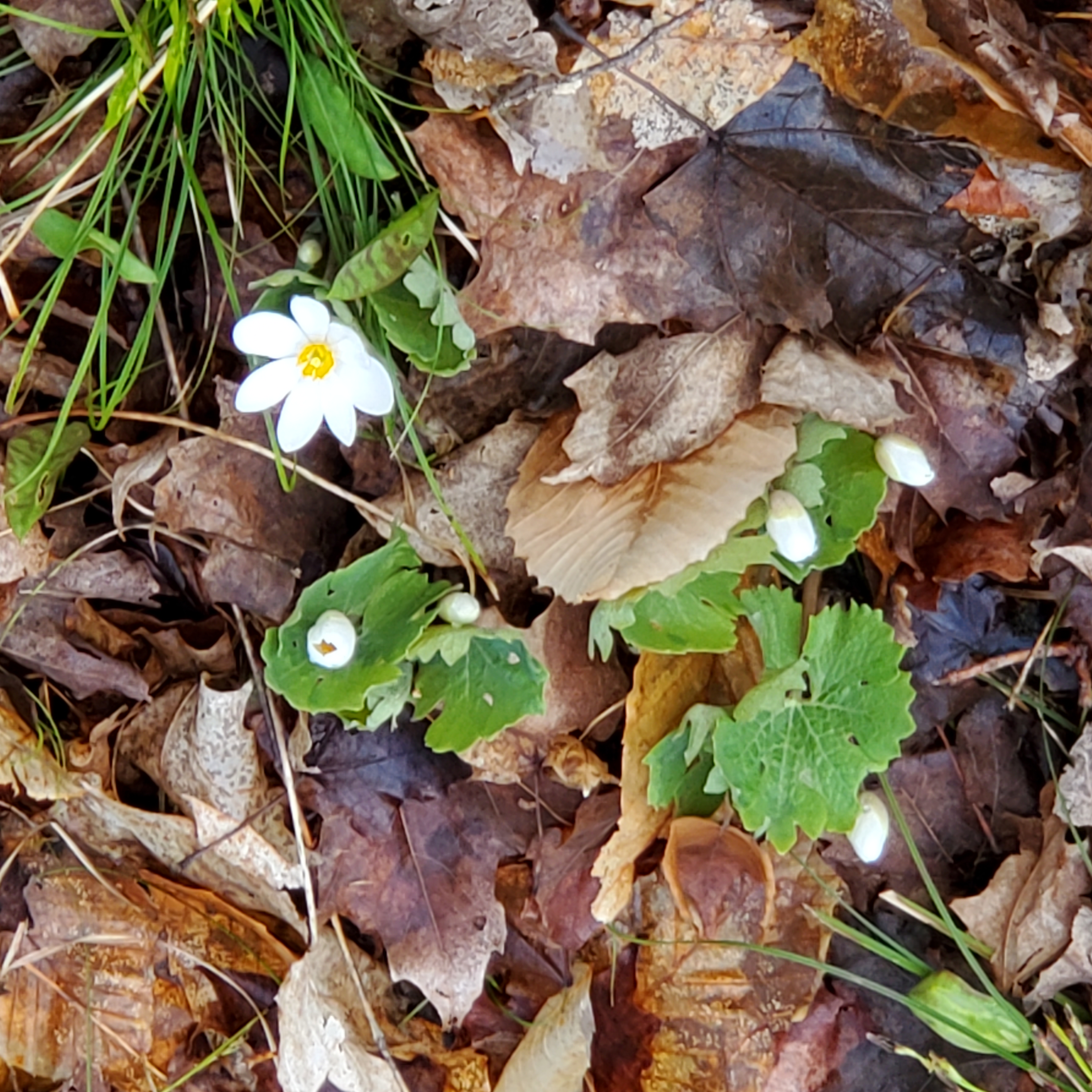
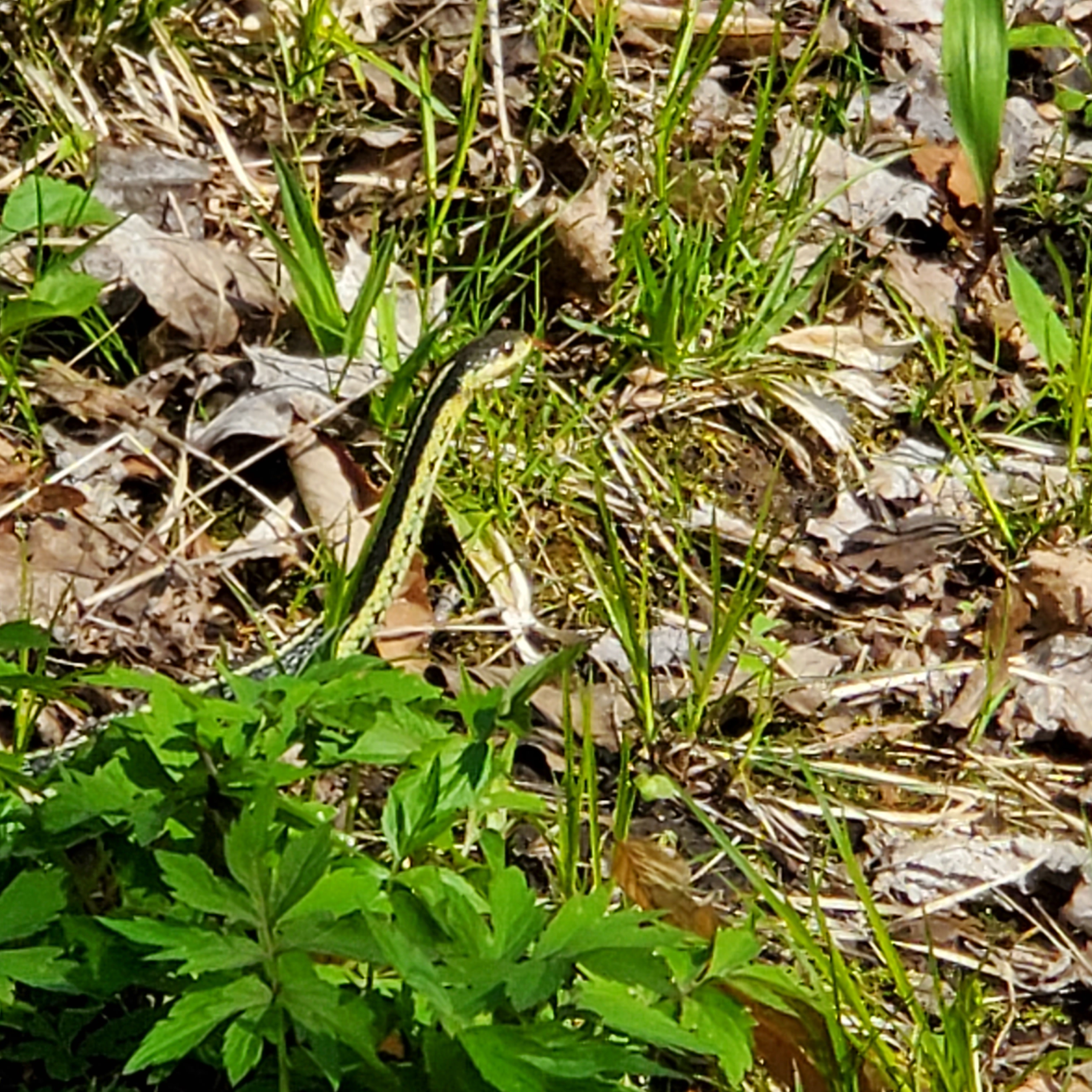
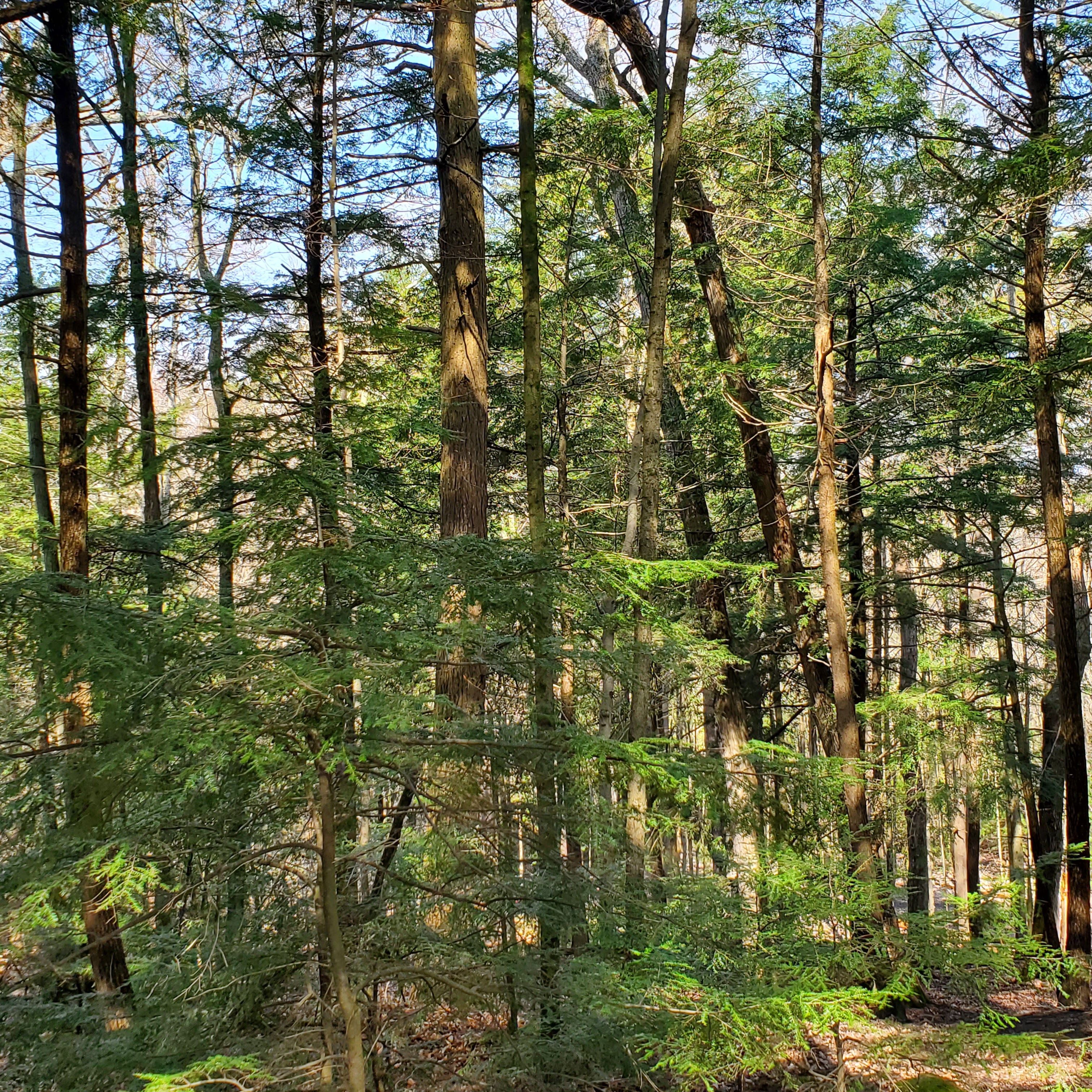
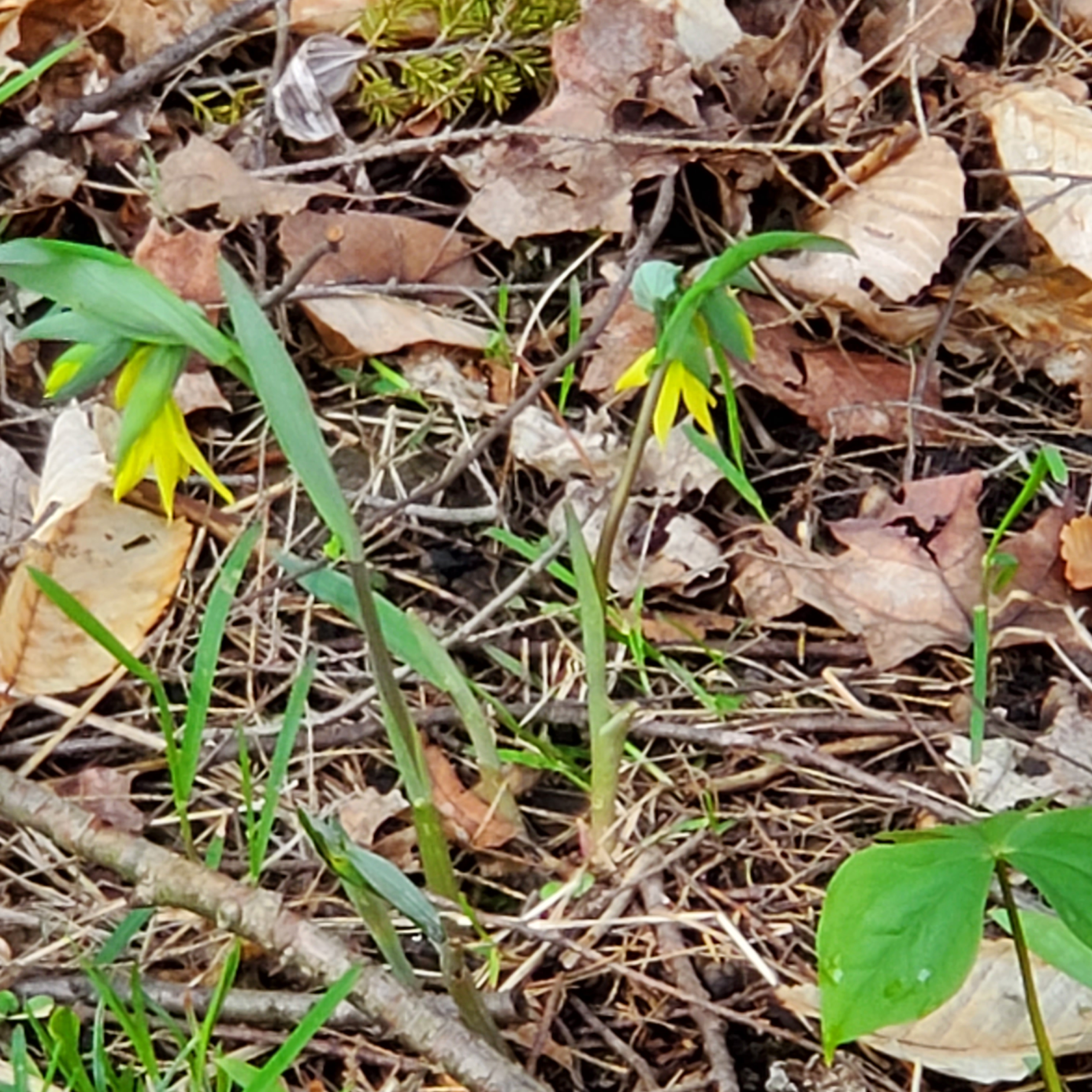
From the top left, clockwise: A barred owl (Strix varia), my first sighting ever, and a really good one! An eastern milk snake (Lampropeltis triangulum triangulum), which sadly was run over by a neighbour a few days later–I’m still grieving. Understorey flowers in a mature forest, taking advantage of the sun before the canopy closes up. Bloodroot (Sanguinaria canadensis), I believe. An eastern garter snake (Thamnophis sirtalis sirtalis) checking out the world. Sharp-lobed hepatica (Anemone acutiloba). Large-flowered Bellwort (Uvularia grandiflora). A well-camouflaged DeKay’s brown snake (Storeria dekayi). A rare stand of mature coniferous trees. Trout lily (Erythronium americanum).
Two weeks later, the area already looks completely different…
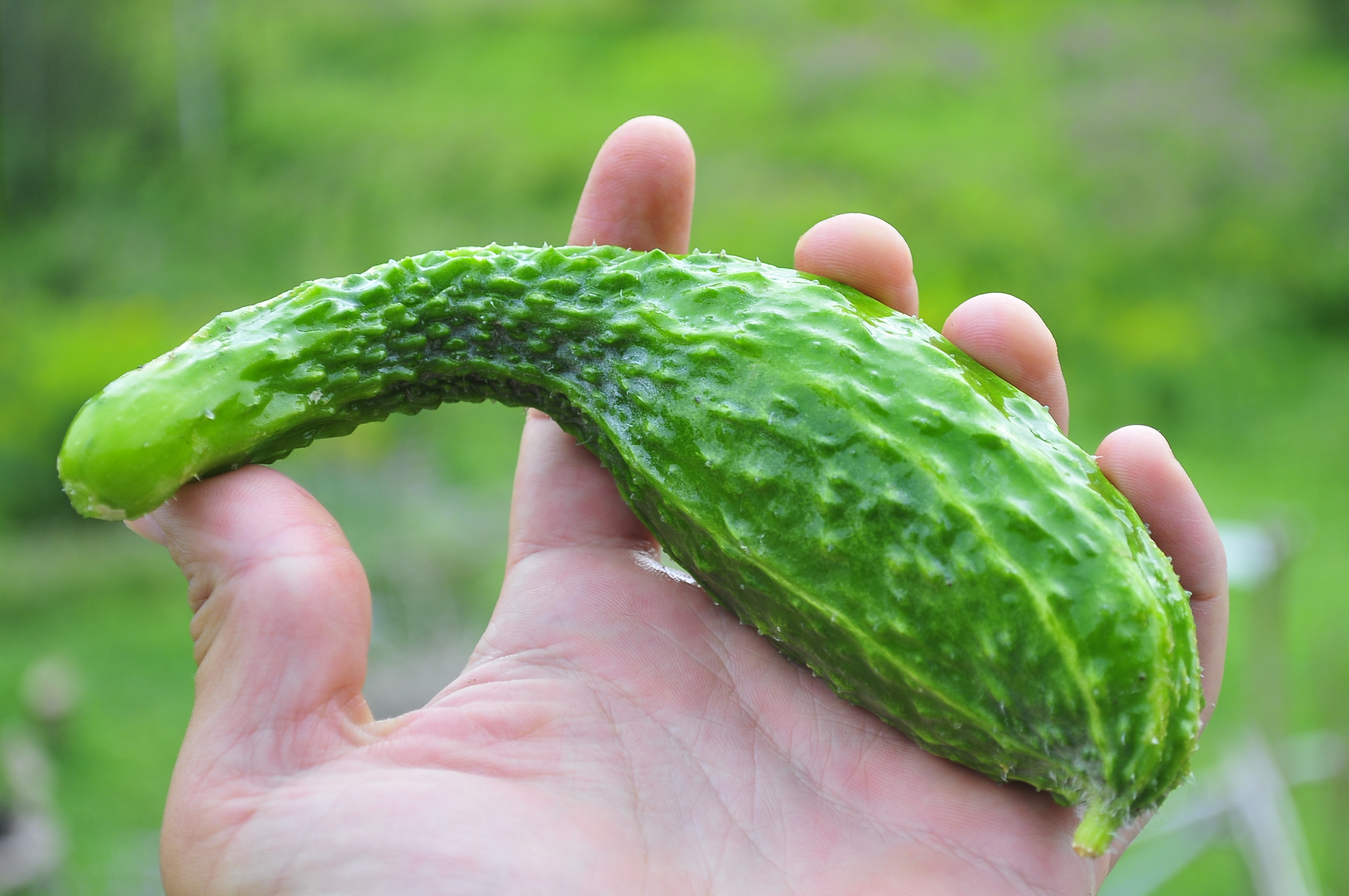
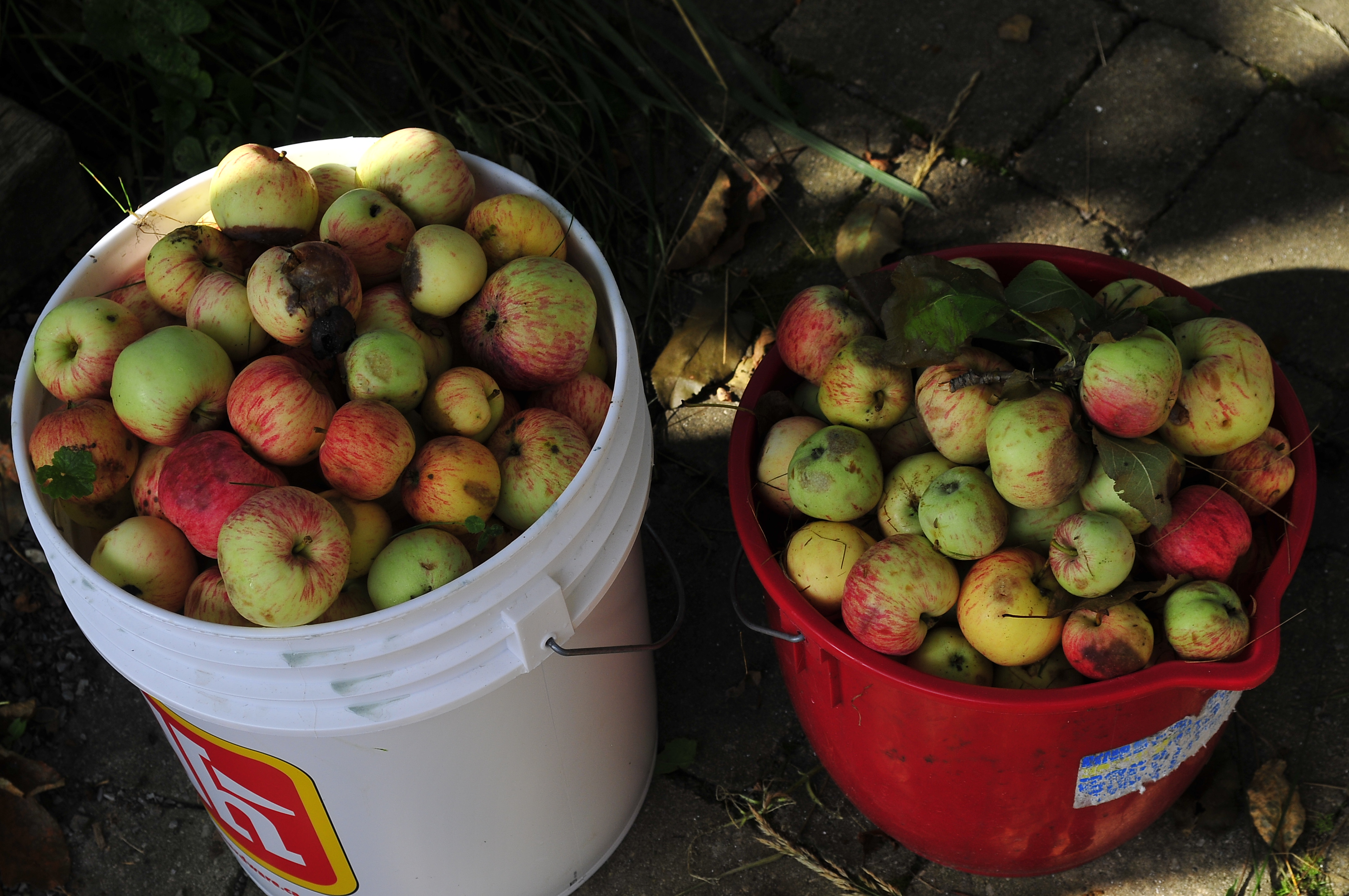
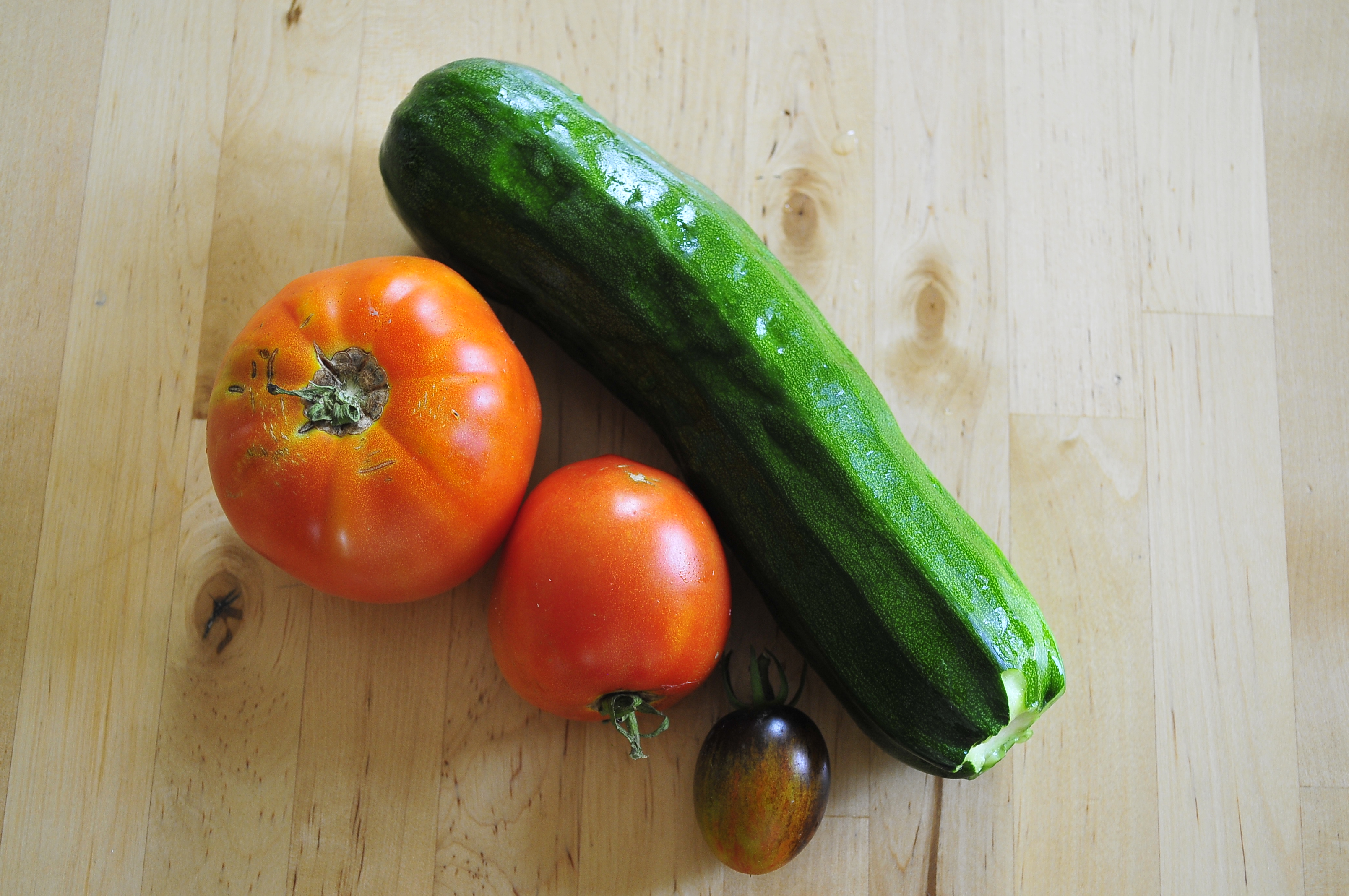
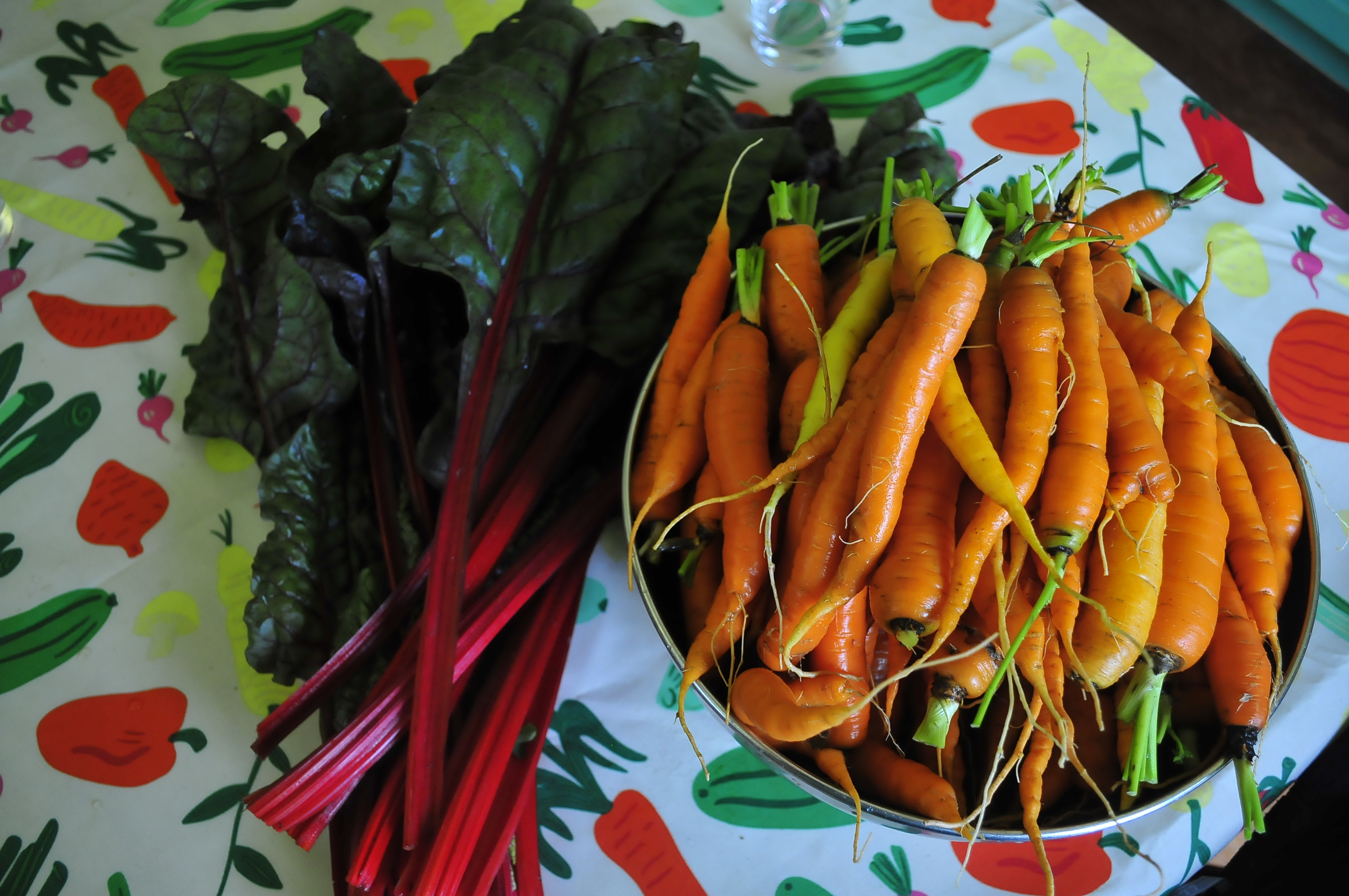
… than a former city dweller’s excitement about homegrown vegetables? I didn’t think so. But the excitement is genuine. Here are some of this summer and fall’s harvests: spaghetti and delicata squash, cucumber, beefsteak tomato, more tomatoes, a day’s worth of windfall apples, tomatoes and a zucchini, Swiss chard and carrots, more carrots.
Lots to learn from trial and error of 2023 for next year. Our carrots are good but not amazing. The tomatoes and squash and lettuce (unpictured) are worth growing more in the future. We need a better system for catching apples before they fall and get bruised/broken.
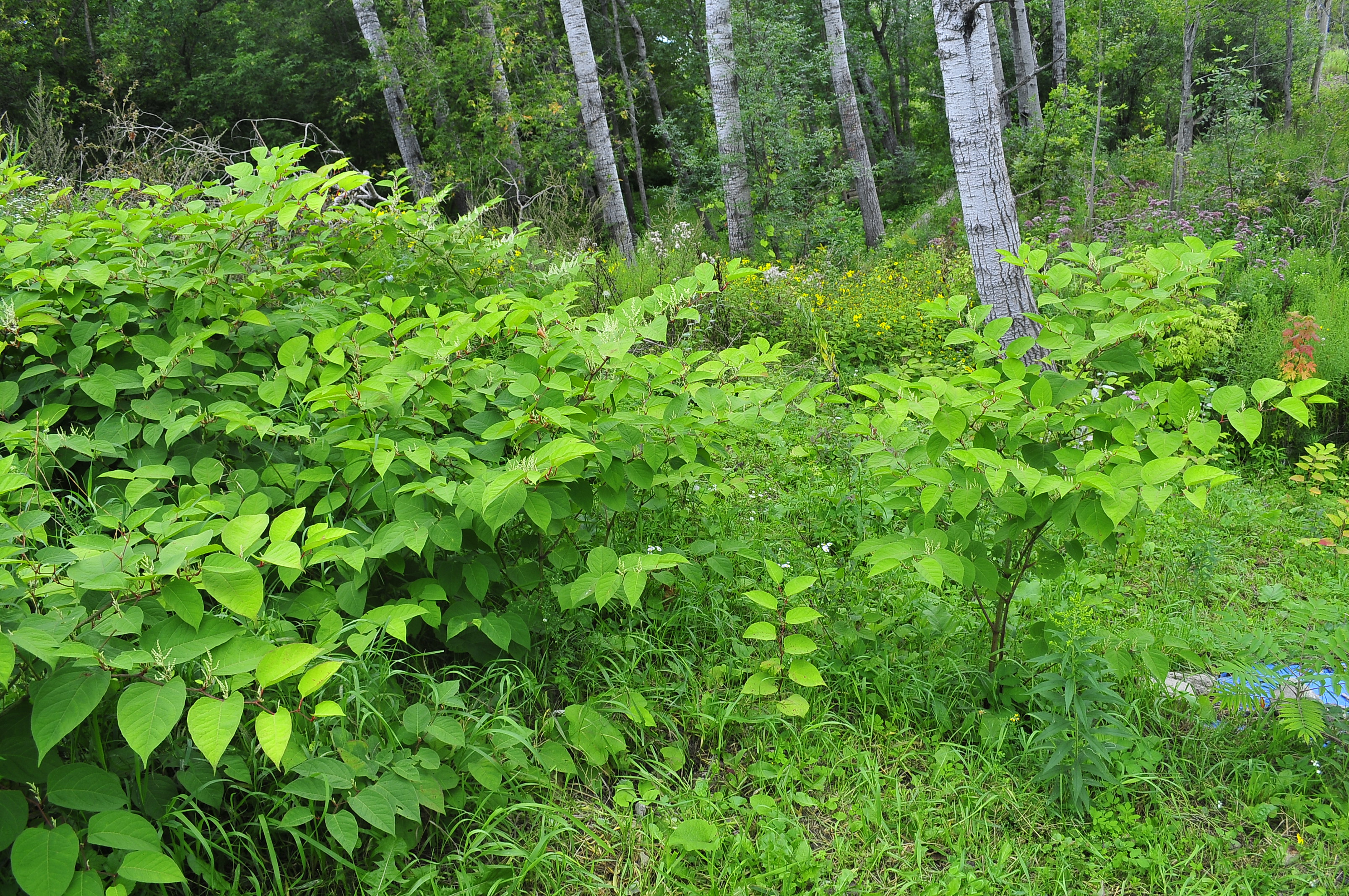
I promised that this next post would talk about the (many many) invasive plants I have to deal with (and some that I ignore), but I can’t be bothered to focus on them when there is so much exciting life in the garden. Scroll down to see some of the newest blooms and insects. But just to keep my promise somewhat, here is the biggest foe of all: Japanese knotweed (Fallopia japonica), which is a biological marvel, being nearly uncontrollable.
I just spent about two hours digging out a single stem I found growing by the creekside. I had to go about two and half feet deep, using water to loosen the soil to avoid breaking the extremely long and deep and brittle rhizomes. I know I didn’t get it all, but I think I came very close. If it grows back, it’ll be severely weakened and vulnerable to repeated pulling up. The same isn’t true of the bigger patch (above), which has literally been keeping me up at night. Should I call in a professional exterminator to spray them? Should I just cut and cut and cut them until their rhizomes starve (it might take 20 years or more)? I am terrified that it will spread into the floodplain blow.
Anyway, enough about that. Below, I’ve got some photos of what’s in bloom near Peterborough in late August. The predominant colour is yellow, mainly from many species of goldenrod (Solidago spp.), which pollinators love and which do not cause hay fever! (That’s ragweed, Ambrosia artemisiifolia, which flowers at the same time.) But the Joe Pye weed (Eutrochium purpureum) is also still flowering, as you can see below. It’s a bonanza for bees.
And here are some close-ups of other plants keeping me in a summer mood, along with some insects.
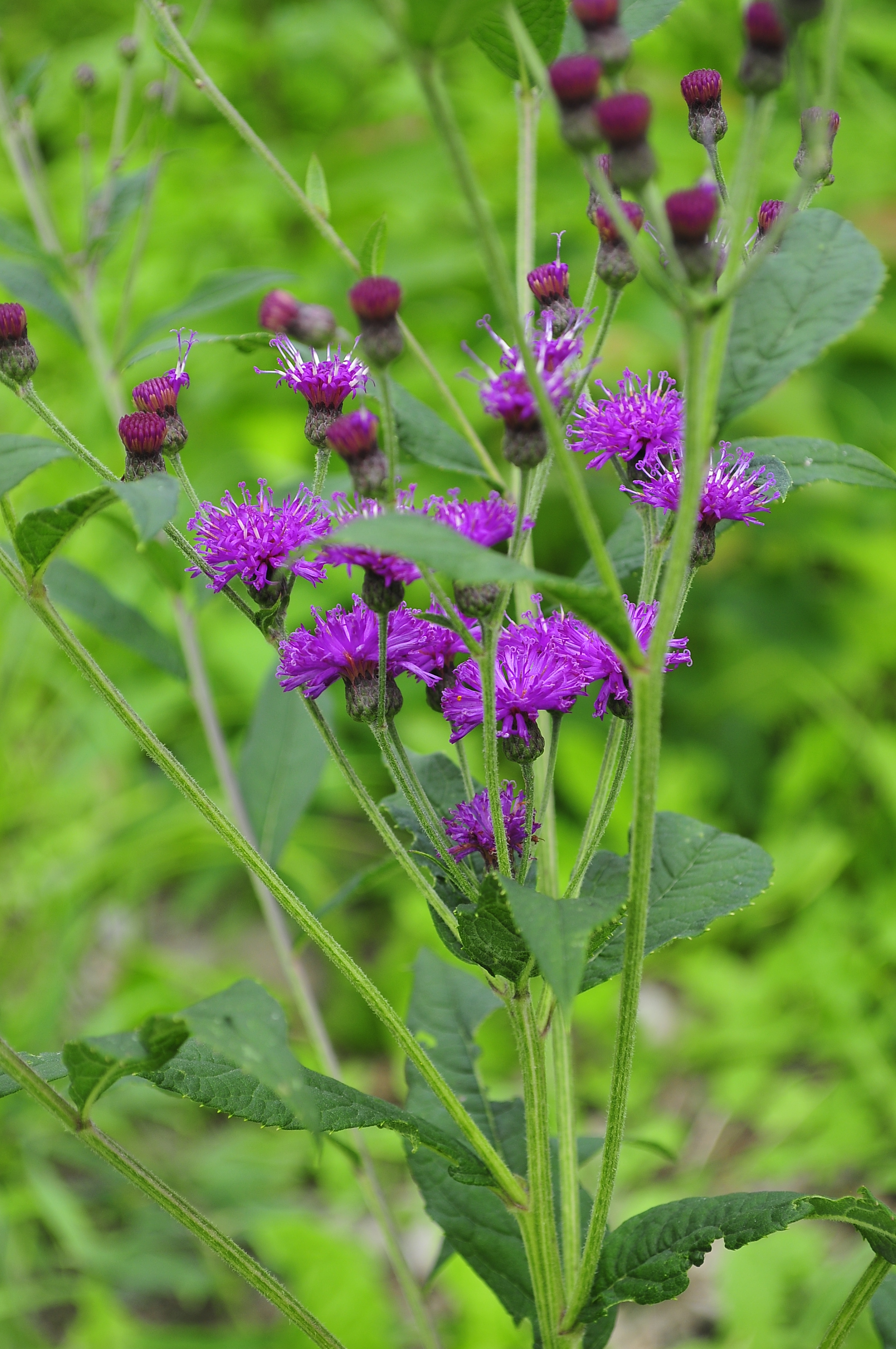
All these photos except the stick insect were taken yesterday (August 25, 2023). The stick insect was about two weeks ago. All were taken within 10 metres of my house. From top left, clockwise: tall ironweed (Vernonia gigantea), butterfly milkweed (Asclepias tuberosa), which is particularly orange this time around, with a honeybee (Apis mellifera); New England Aster (Symphyotrichum novae-angliae), with some late-flowering Bee-Balm (Monarda didyma); a small yellow crab spider amongst Joe Pye Weed (Eutrochium purpureum) flowers; a bee fly drinking nectar from New England Aster; a bumblebee deep in a Great Blue Lobelia (Lobelia siphilitica)–notice the pollen sacs on its hind legs; a stick insect, my first sighting ever; a small yellow beetle on Green-headed coneflower (Rudbeckia laciniata); and a bumble bee (probably Bombus impatiens) on a goldenrod (probably Solidago gigantea).
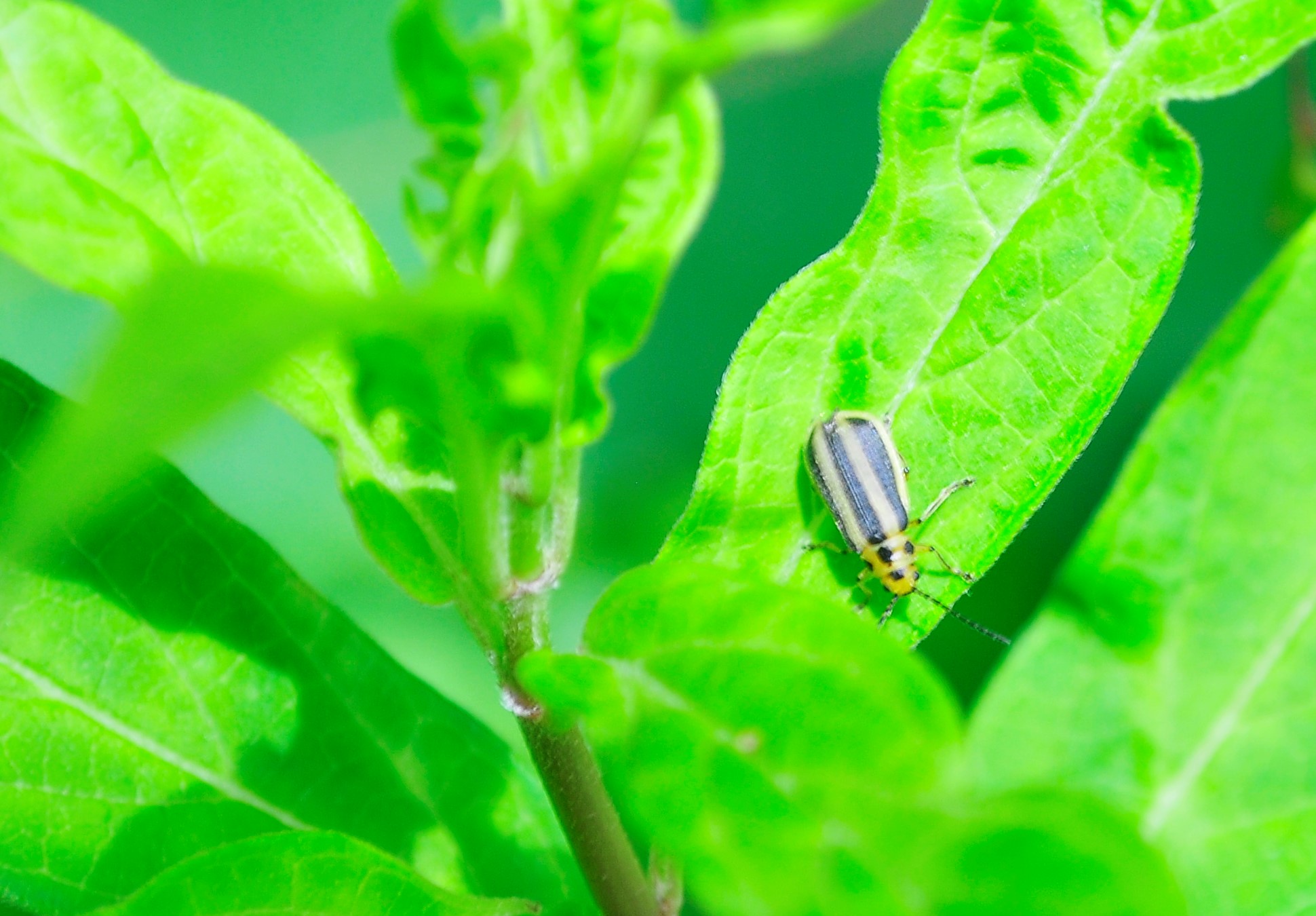
But that’s not all! I don’t know what this beetle is, but I’d never seen it before yesterday. Here it is hanging out in the goldenrod.
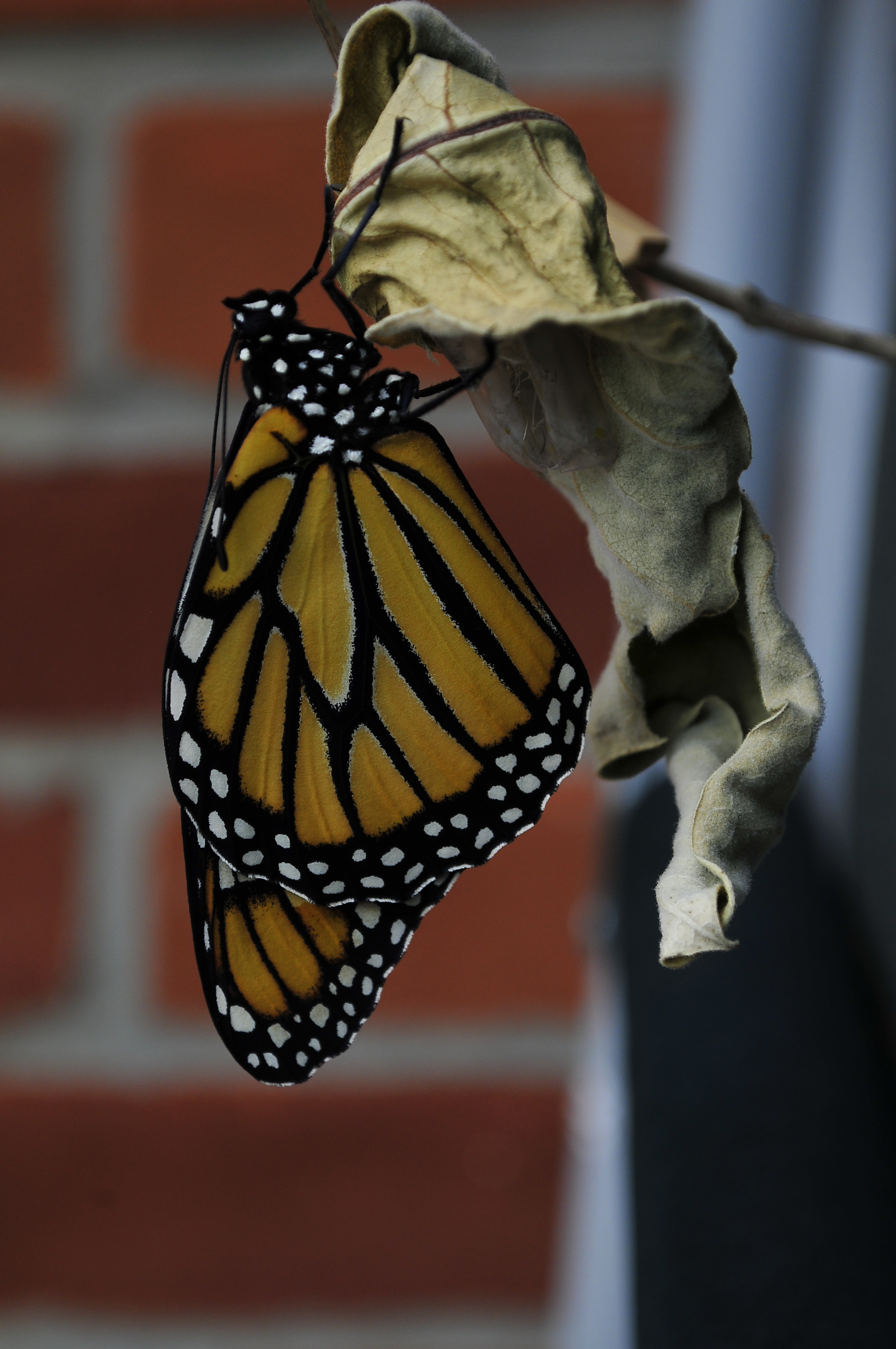
Tis also the season for adult monarch butterflies to emerge:
And more…
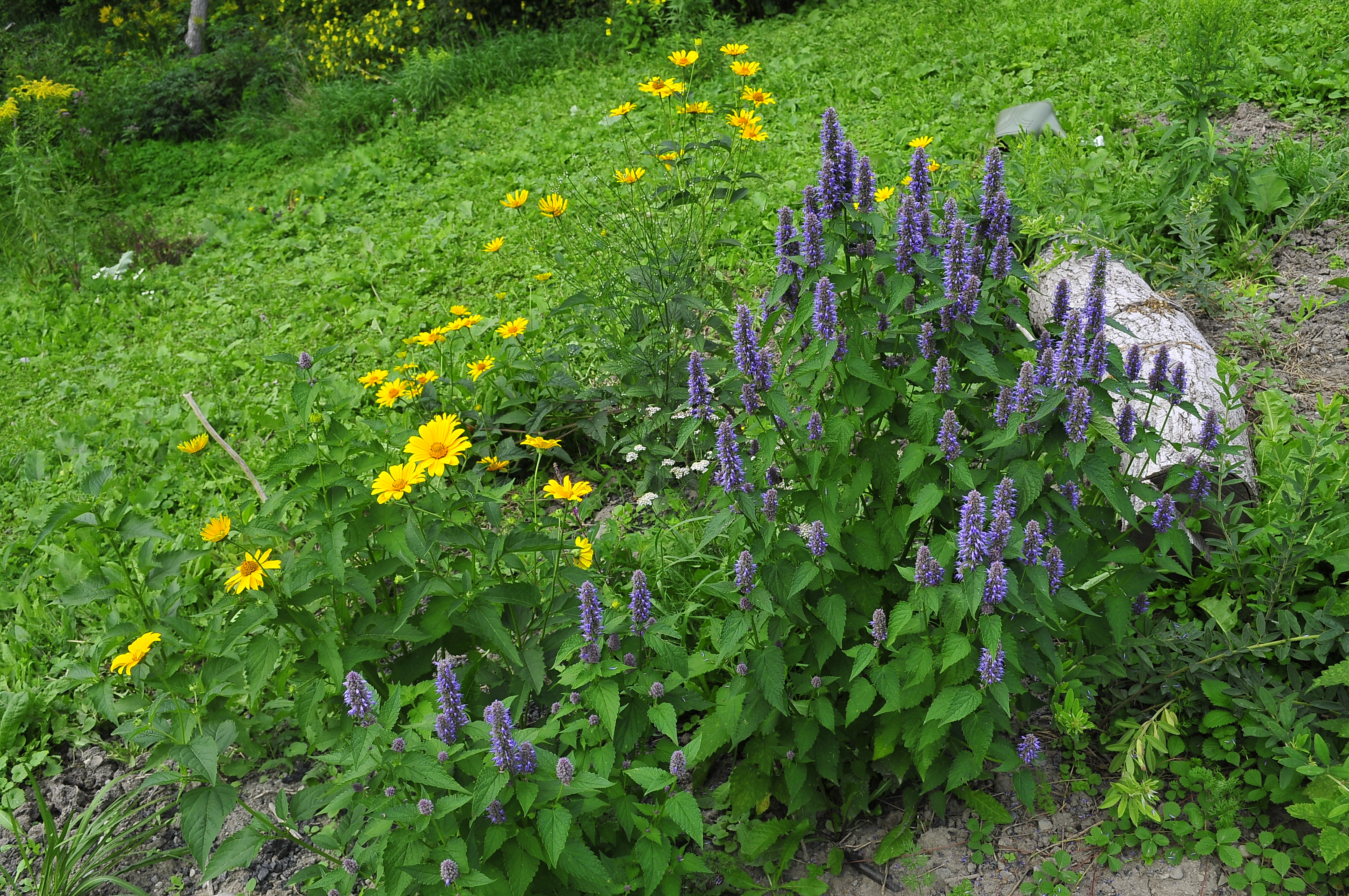
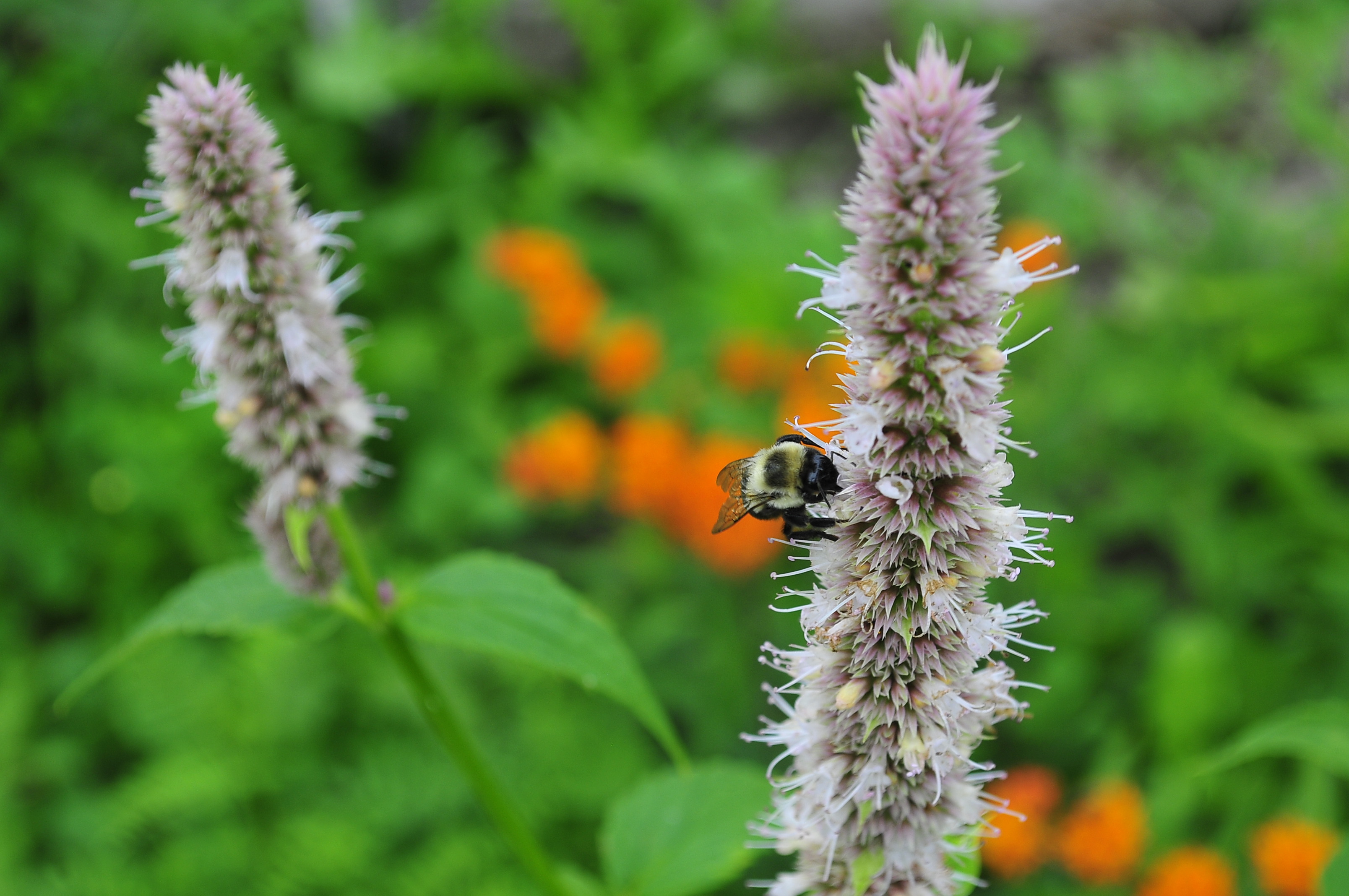
From top left, clockwise: a wasp on White Vervain (Verbena urticifolia); Anise Hyssop (Agastache foeniculum)and Smooth Oxeye (Heliopsis helianthoides); a beautiful, tiny black and red beetle on anise hyssop leaf; an unidentified bee or wasp on anise hyssop; a leafhopper on smooth oxeye; orange jewelweed (Impatiens capensis); White Snakeroot (Ageratina altissima), about to flower; Obediant Plant (Physostegia virginiana); Woodland Sunflower (Helianthus divaricatus) at the edge of a Black Locust (Robinia pseudoacacia) and Sugar Maple (Acer saccharum) wood; a view of what used to be lawn just a few months ago–the remaining lawn is not long for this world; bumble bee on Yellow Giant Hyssop (Agastache nepetoides); a yellowjacket (Vespula sp.) on a windfall apple; Boneset (Eupatorium perfoliatum) in bloom, with some Wild Lupine (Lupinus perennis) leaves in the background; Round-headed Bush Clover (Lespedeza capitata).
It’s been a while since I last posted about my garden-based explorations of my yard and its plant and insect life–the outdoor counterpart to close-reading literature. In part this is because since last July (2022) I have been living in a new place, about 2 hours out of Toronto. While I miss the city for many reasons (friends, food, a 15 minute commute to work by bike), here I have the benefit of a lot more land to work with.
Much of the property is wild, so apart from removing buckthorn and other highly aggressive invasive plants, I leave those parts alone. But about an ace or more was lawn when we moved here. I say was because I’m chipping away at it. There’s now a pretty large vegetable garden, and the rest is on its way to being a massive native plant area.
The last few days (August 2023) have been a potent mix of hot sunny weather and intense downpour, so the plants are growing madly. The bees are out in force, among other pollinators (a saw a ruby-throated hummingbird at the bee-balm the other day). So here’s a sampling of the view up close.
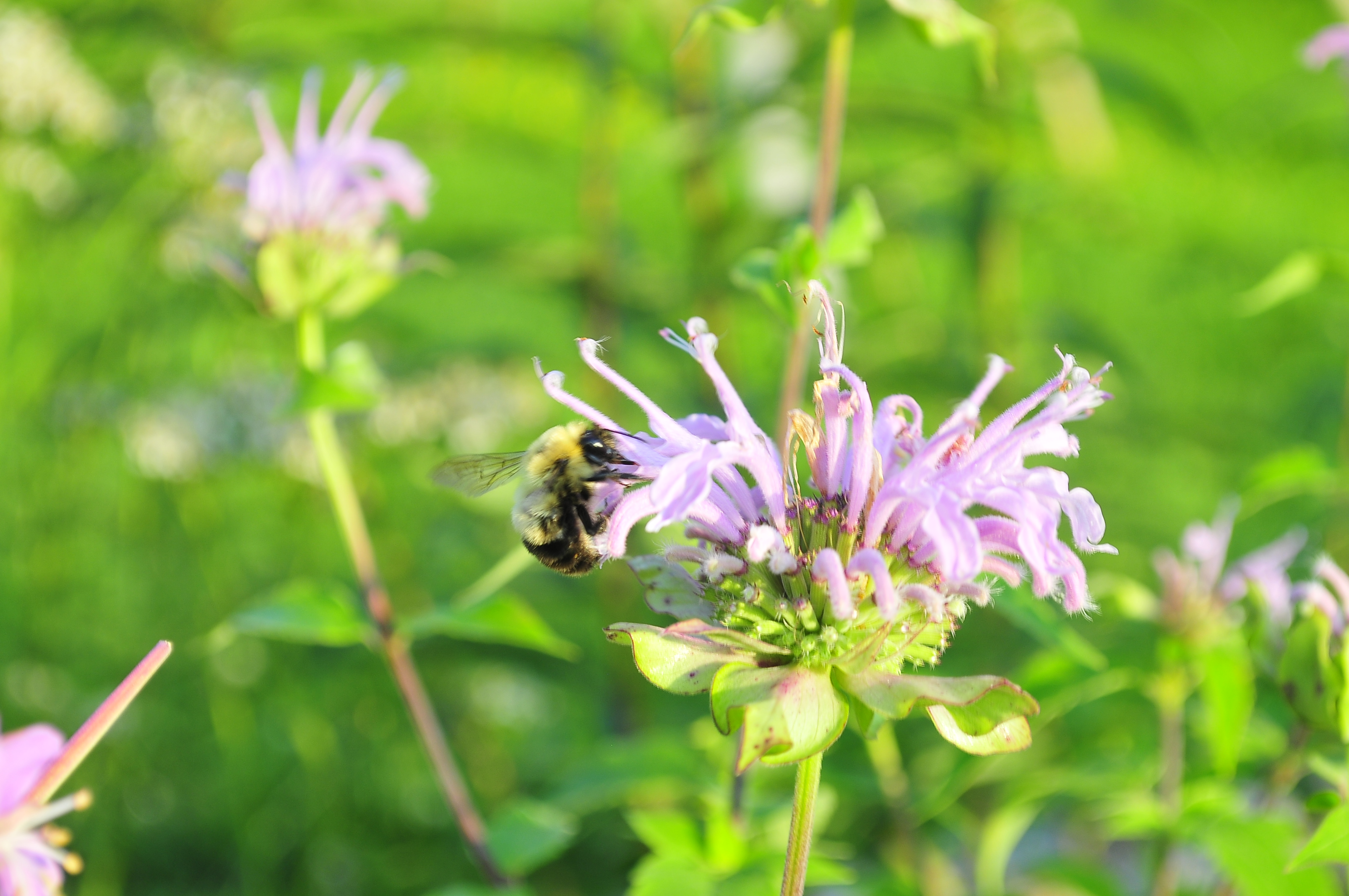
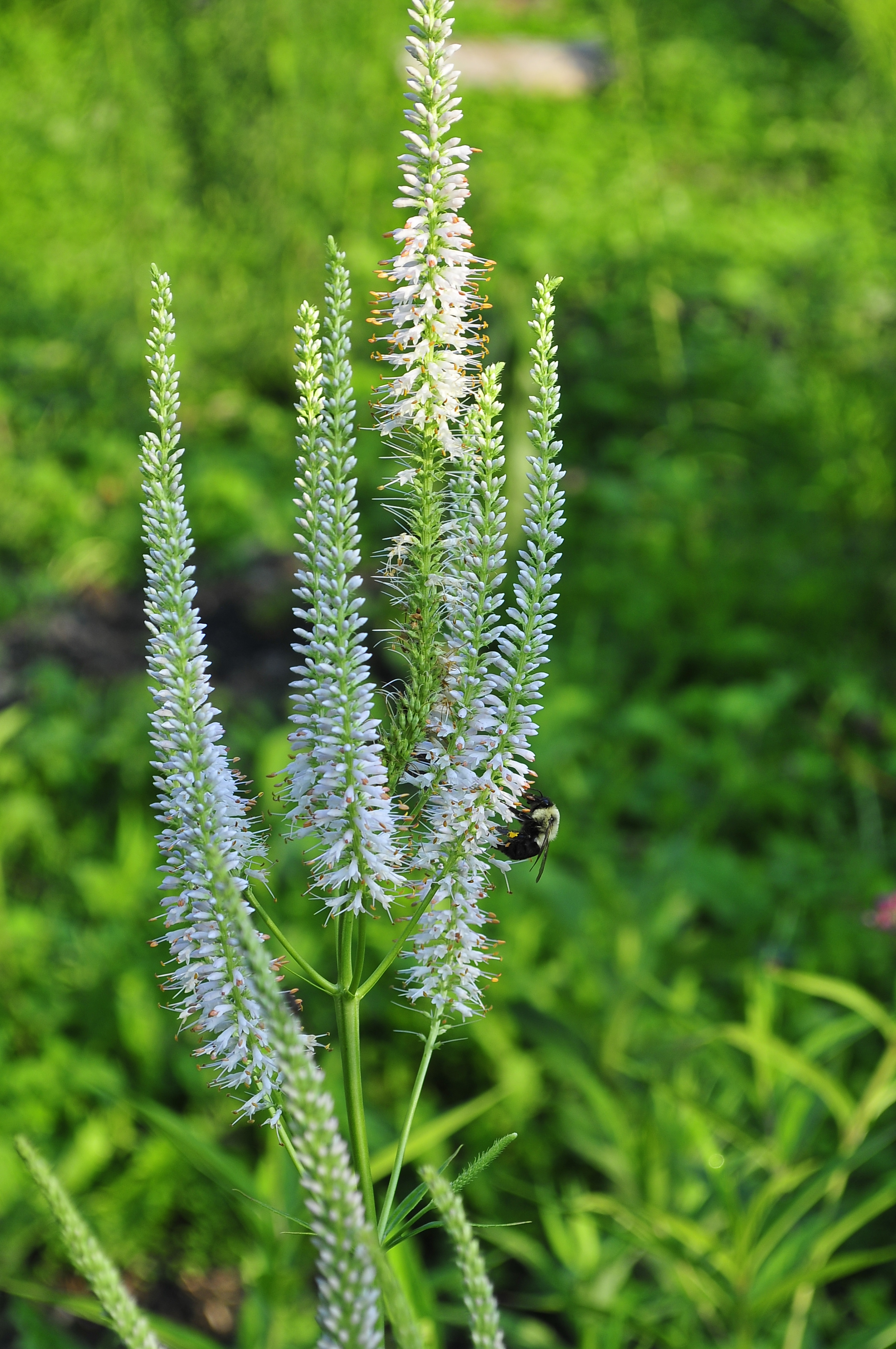
From top left, roughly clockwise: Bombus impatiens about to land on a fireweed flower (Chamaenerion angustifolium); backlit wild bergamot (Monarda fistulosa); butterfly weed (Asclepias tuberosa); wild black raspberries (Rubus occidentalis), which are delicious; this year’s pride a joy, Culver’s root (Veronicastrum virginicum), visited by an unidentified bumble bee; marsh milkweed (Asclepias incarnata), one of the most impressive native flowers around; a honey bee (Apis mellifera) on an enormous purple coneflower (Echinacea purpurea); boneset (Eupatorium perfoliatum) about to burst into bloom; jewelweed (Impatiens capensis); a bumble bee feasting on wild bergamot nectar; and blue vervain (Verbena hastata).
I’ll try to post more plants, and especially more insects in the coming days and weeks. I will also feature some of the plants I’m trying to control, including the notorious Japanese knotweed (Fallopia japonica) and the voracious goutweed (Aegopodium podagraria).
I just found this post in my drafts from July 2021. I no longer have this garden, now that I live outside Toronto. The plants and insects in that small space were the thing I loved most about that home. Here are, clockwise from top left, some aphids on cup plant; a hawkmoth visiting common milkweed flowers; a lady beetle on cup plant, again with aphids; a solitary bee on purple coneflower; a stink bug (I think) on giant hyssop; a small wasp on wild bergamot; a tiny solitary bee on Queen Ann’s Lace; a bumble bee queen on lavender; a gorgeous yellow fly on a milkweed leaf; tiny solitary bees on wild bergamot; some kind of beetle (perhaps a weevil) on a plant I can’t identify from the photo; a small beetle on marsh milkweed; and a lacewing on common milkweed.
I initially collected these photos for young Finn, who was worried about the decline of insects in the world. There is lots to worry about. But there is plenty of joy and wonder to be had from insects close to home nonetheless.
Spring is always a time of anticipation. I find myself checking on the growth of my plants many times a day, always astonished to find visible changes in the height of a common milkweed shoot (Asclepias syriaca) or the surprisingly scarlet first growth of dogbane (Apocynum cannabinum). My wild strawberries (Fragaria virginiana) are doing very well, and both redbuds (Cercis canadensis) are about to burst into flower. I’m particularly psyched about the many giant hyssops (Agastachenepetoides and A. foeniculum) that have taken hold. No plant got more bee visits last year than them.
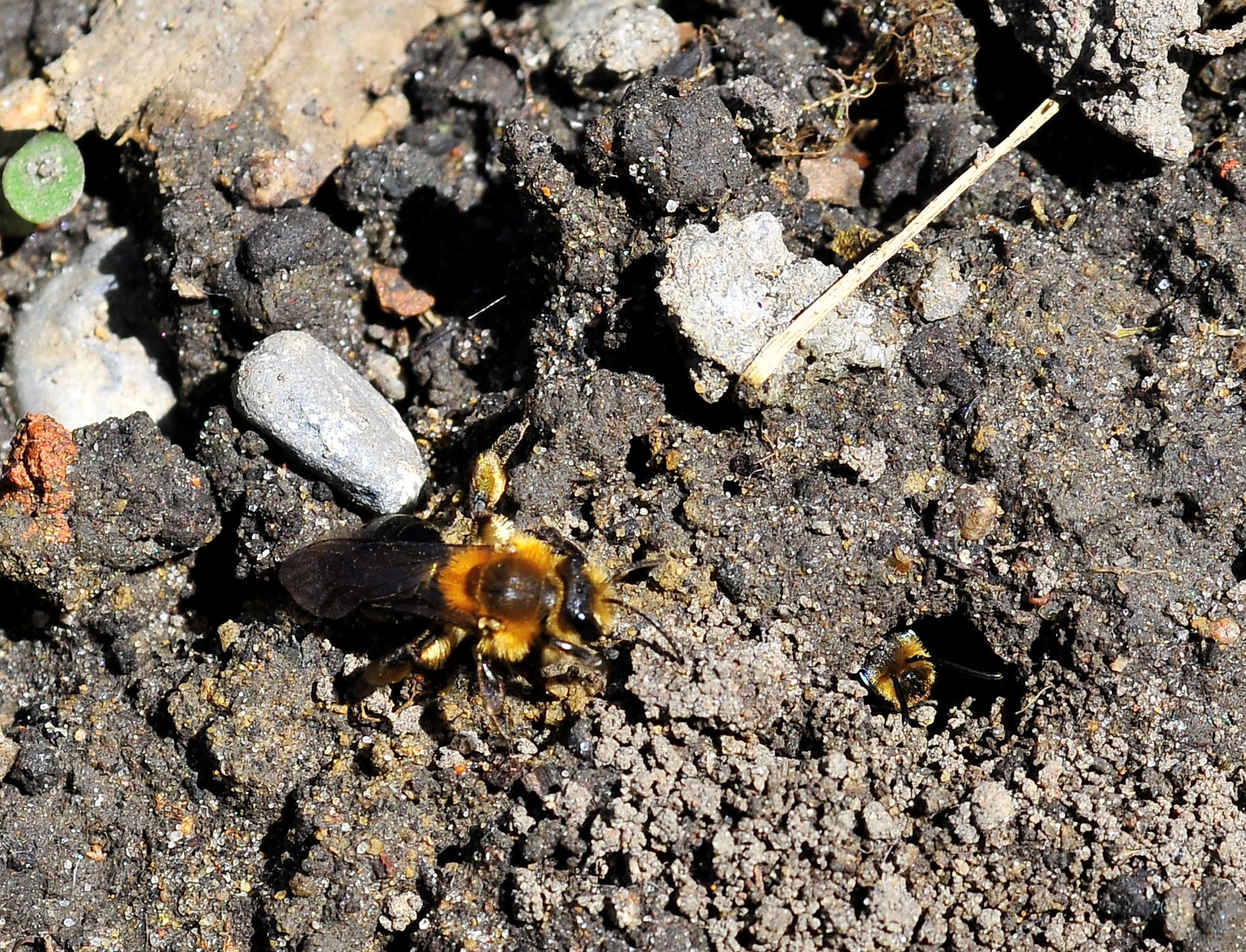
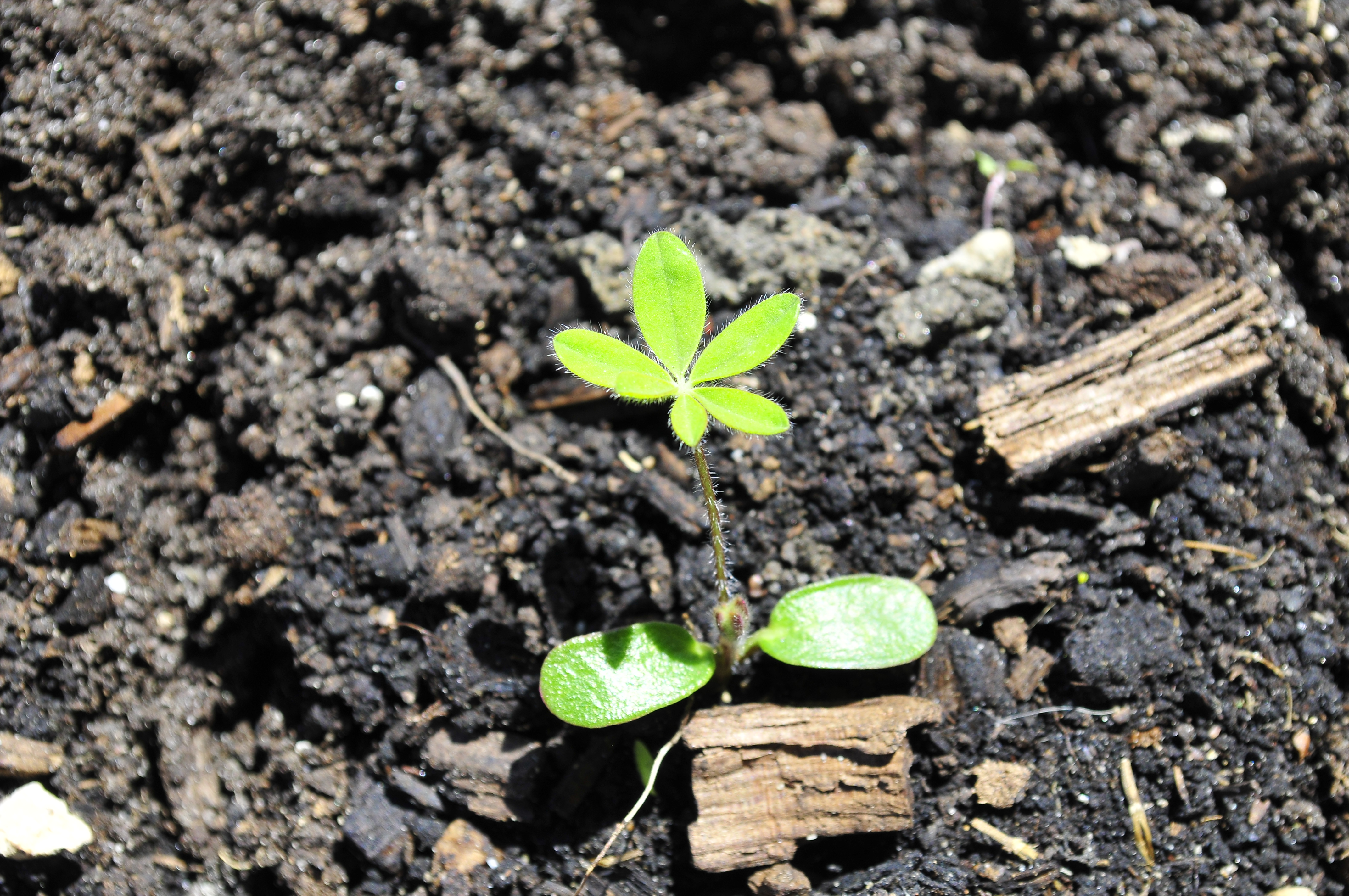
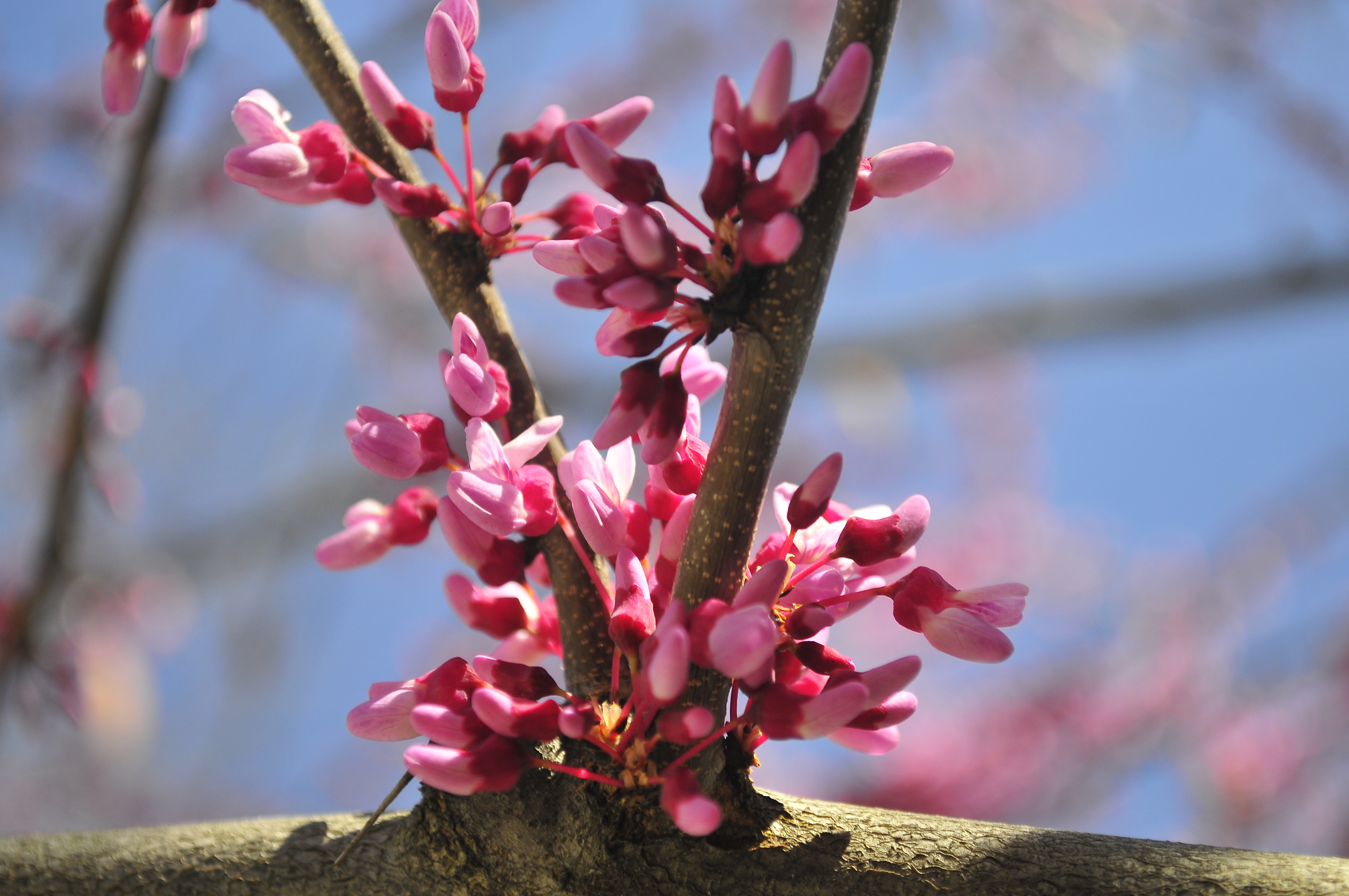
Yesterday I saw a few Dunning’s miner bees (Andrena dunningi) making holes in the bare ground at the base of my burr oak (Quercus macrocarpa). I had never noticed these bees, let alone seen their nests, which look like ant holes. The bees are a bit smaller than a honey bee. In the photo to the left (below), you can see two bees: the fully visible one and also the head of another one poking out from a tunnel. The image on the top right is a new lupine (Lupinus perennis), with its gorgeous star-shaped first leaf. I have yet to succeed in growing a lupine beyond this early stage. Let’s hope for better luck this year. Under the lupine is a cluster of redbud flowers, and at the very bottom is a closeup of one of redbud’s main pollinators, the orchard mason bee (Osmia lignaria), though so far it seems to prefer visiting forget-me-not flowers (Myosotis scorpioides), one of the few non-native plants I am not actively trying to eradicate from the garden because it flowers abundantly in the early spring, when small bees and flies have few other options.
There’s been something new this year. Along with the usual movement of migratory birds–the most exciting of which is always hermit thrushes–I’ve been hearing a white-throated sparrow singing in the neighbourhood for a few days now. This is an instantly recognizable song for anyone who’s spent time in the Norther (see a version here, though this is rather different from the one I’m hearing); in fact I’ve always associated this song with canoe trips. I’ve never heard it in Toronto before. Who knows that it means, but I couldn’t help find it uplifting.
Yesterday (January 20, 2021) was a pretty cold day (-4C), an anomaly. Not so long ago it would have been an anomaly because it was so warm for late January; now it’s anomalously cold.
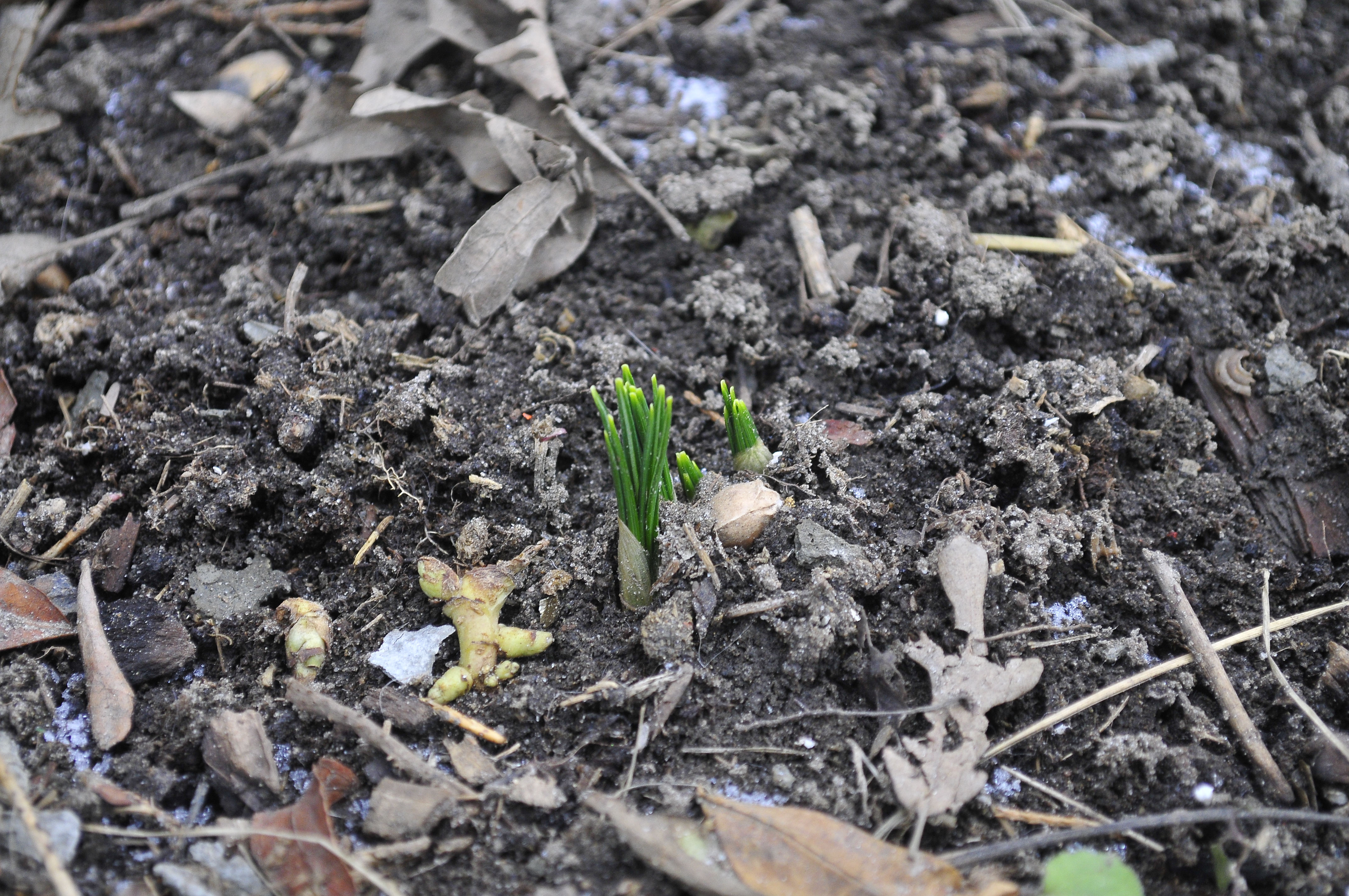
Having lived in the same place for 12 years now, it’s easy to notice certain trends. In the past few years, I have been alarmed to see crocuses starting to sprout in mid-February. Last week I saw the little shoots a whole month earlier than any previous year. My irises are also throwing up a few brave leaves. On Sunday it was warm enough to transplant my Purple Flowering Raspberry (Rosa odoratus) from the backyard to the front. The soil was pliable and not even close to frozen. In fact it was crawling with earthworms. Yesterday my kids saw a robin, not a usual sighting in Toronto in the heart of winter.
Crocuses sprouting in the third week of January: not the Toronto I grew up in!
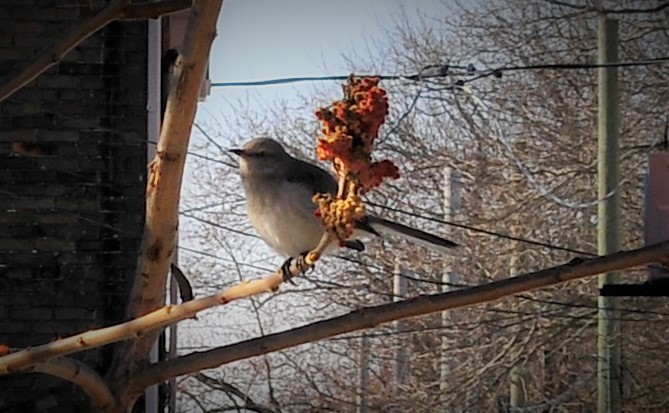
As a once avid and now more mellow birdwatcher, one of the most tangible evidence of Toronto’s changing environment has been the appearance of mockingbirds (Mimus polyglottos). Back when I birdwatched a lot in the late ’80s and early ’90s, I never saw one until I went to California. I saw my first Ontario mockingbird at the Oakville GO Train station in 2003. Since then, mockingbirds have become a daily sighting in my neighbourhood, often coming to feed on the berries of Virginia Creeper growing on my porch.
A Northern Mockingbird, just done feeding on fruit from a Staghorn Sumac (Rhus typhina), January 2021.
Today (January 21, 2021), they’re calling for a high of 3C.
























 DANIEL AURELIANO NEWMAN