Welcome to the page for the “Newman Lab,” whose research investigates various intersections between narrative, narrative theory, writing studies and scientific texts, models and diagrams. Our aim is to use our combined knowledge, methods and perspectives from various fields toward new and original insights into the nature, uses and limits of narrative.
One of the things that I missed when I moved from biology to literature was the community, both social and intellectual, provided by the unit we called “the lab.” Though I don’t actually have a lab, I am now striving to bring that aspect of lab culture to my work in literature, narrative and the culture of science. This page is an introduction to my team members and collaborators. For my own bio, please see my homepage.
RESEARCH ASSISTANTS: Current RAs in the Newman Team are conducting research on the project “A Narratology of Science,” funded by the Social Sciences & Humanities Research Council of Canada. A talented group, they are providing essential help on, among other things, linguistic, computational, and statistical aspects of research seeking to establish and formalize some common ground between narrativity (the quality of being read as a story) and syntactic patterns associated with clarity in academic and technical prose. They are also helping me research the possibility of discordant narration in fake scientific articles, as well as helping me set up the upcoming project website, http://www.sciencenarrativity.com.
Current team
Ethan Gibson is a PhD student in the Department of English at the University of Toronto. His research interests include modernism, contemporary fiction, critical theory, and narratology. He’s particularly interested in how modernist techniques and interests, such as narrative fragmentation and cosmopolitanism, persist in the twenty-first century.
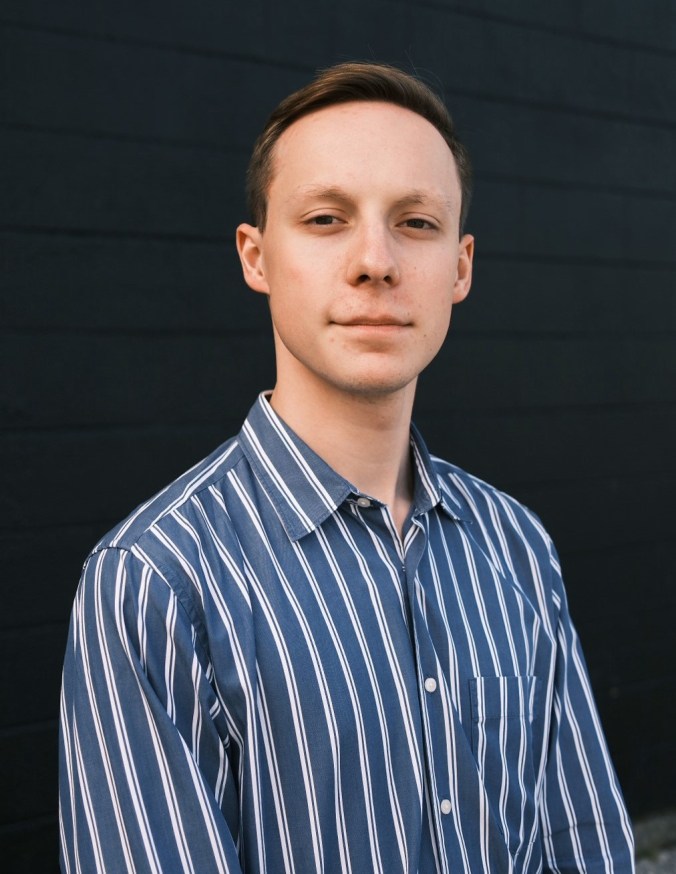

Rachel Lebovic is a PhD student in the Department of English at the University of Toronto. Her research interests include 20th- and 21st-century fiction, life writing, and fragmented narratives. She is particularly interested in what fragmented fiction reveals about our understanding of personhood and “the self” in the digital age. Rachel also works for UofT’s Graduate Centre for Academic Communication, where she teaches Academic Conversation Skills and is a consultant in the Writing Centre.
Emily Udle completed her MA in the Department of English at the University of Toronto, with a collaborative specialization with the Centre for Diaspora and Transnational Studies. In her SSHRC-funded project, she is developing an interdisciplinary reading practice for literatures of place undergoing environmental, technological, and economic change. She has a BA in Applied Linguistics, which informs her approach to literary criticism.
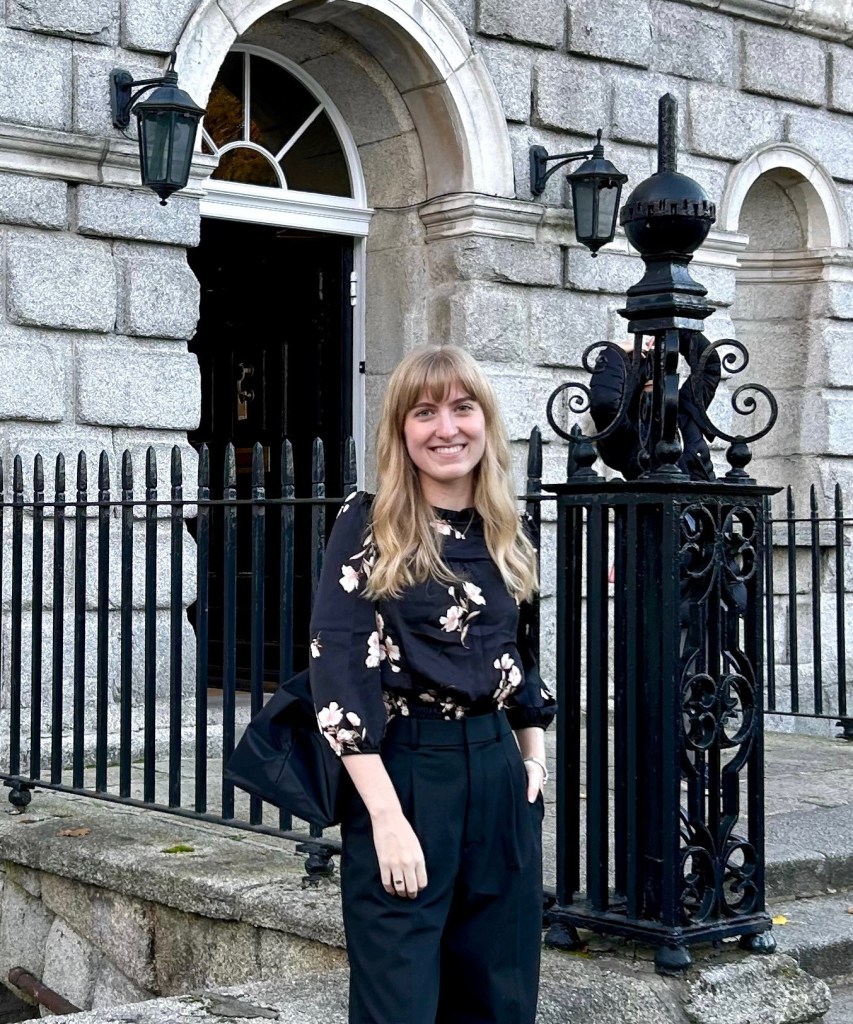
Former Research Assistants
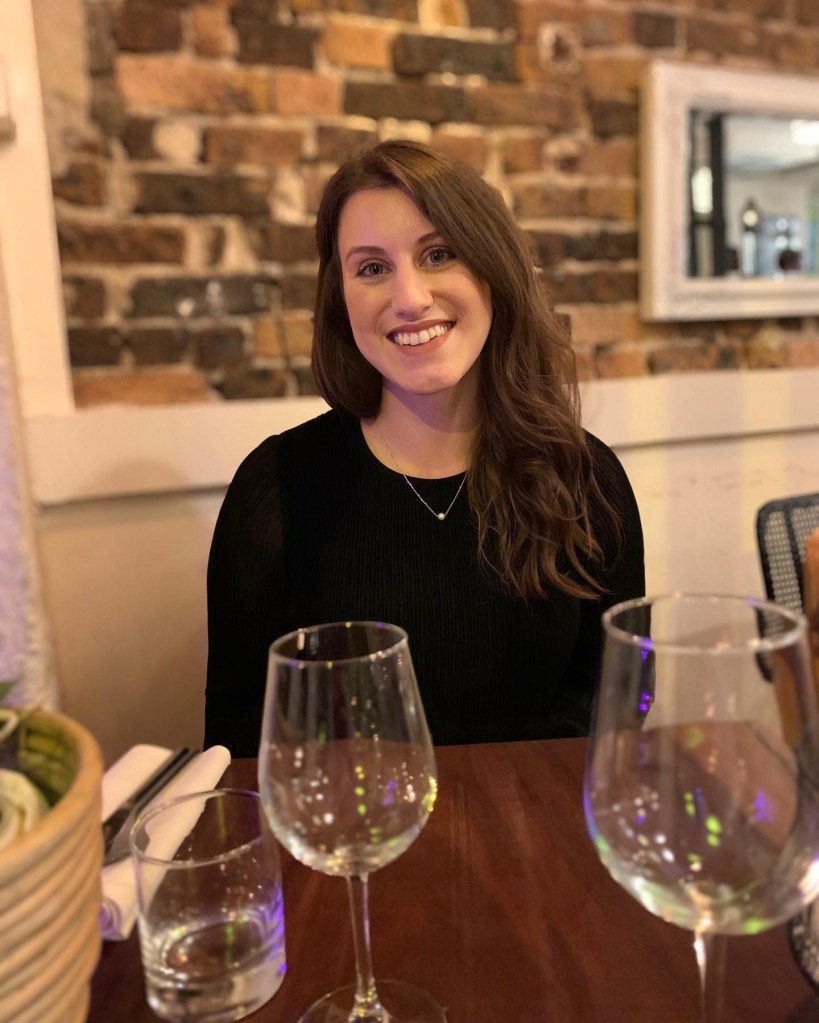
Dr. Kelly Baron (she/her) completed her PhD candidate in English at the University of Toronto and is now Program Manager and Coordinator, Online/International Projects, Scholars-in-Residence Team, Victoria College.
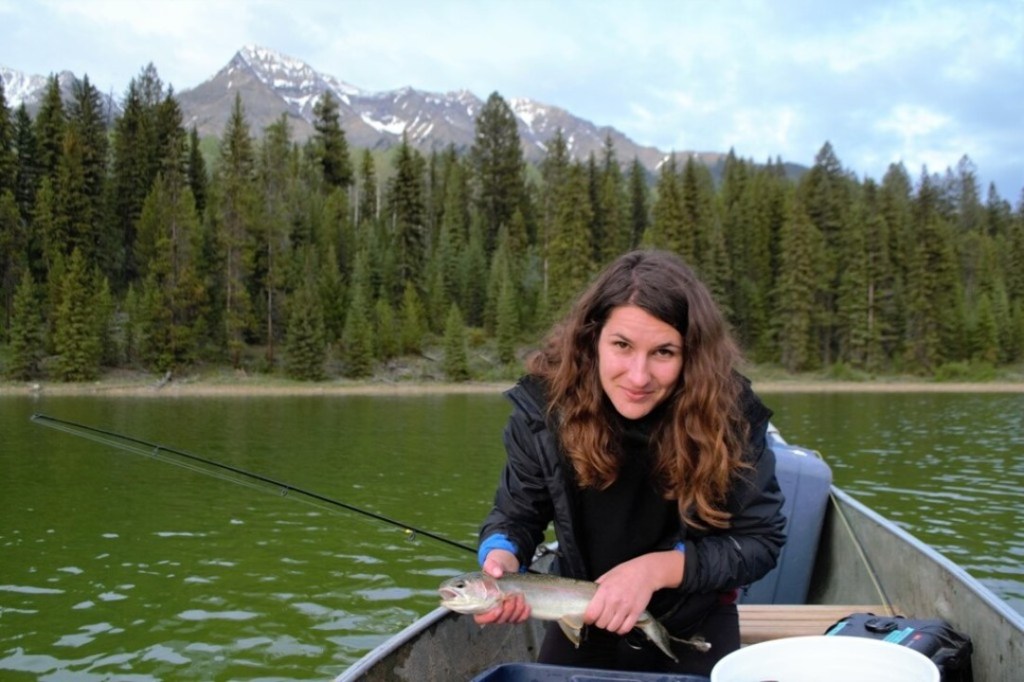
Dr. Thaïs Bernos, Postdoctoral fellow for FISHES (Fostering Indigenous Small-scale Fisheries for Health, Economy and Food Security), Concordia University and Université de Laval. Thais’s website.

Dr. Ellen Forget (PhD, iSchool, University of Toronto) is currently a Postdoctoral Fellow at the University of Alberta. Learn more about Ellen’s work here.
Photo credit: Kaela Leone
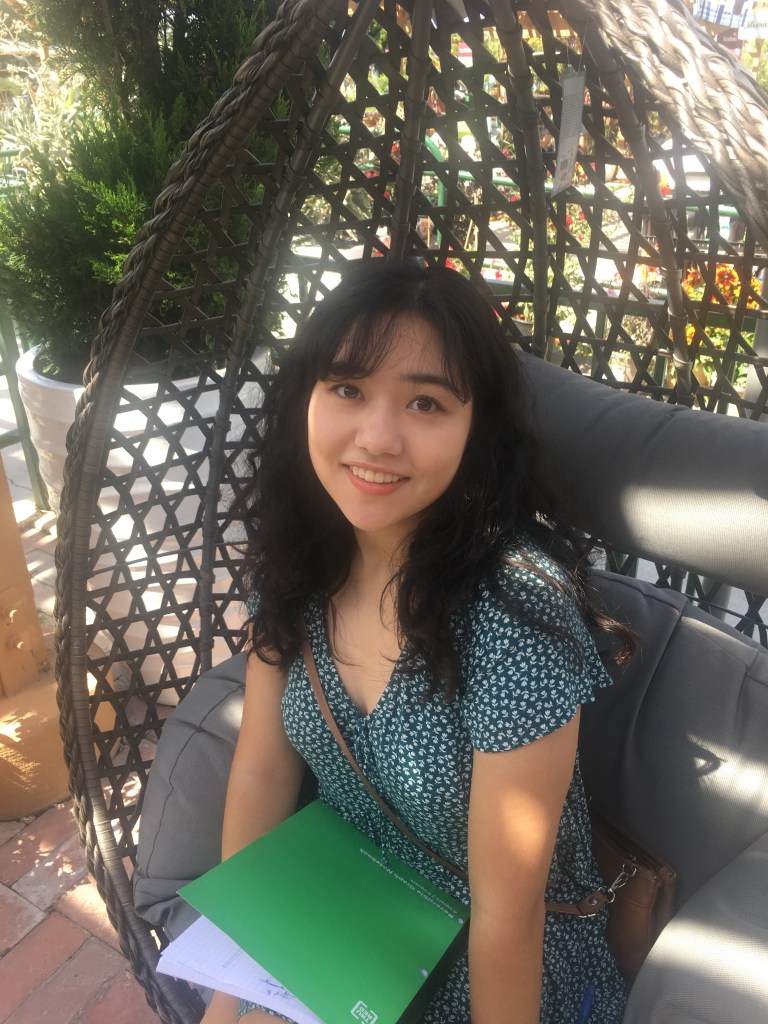
Laura Griffin, a PhD candidate, Linguistics, University of Toronto. Have a look at Laura’s website here.
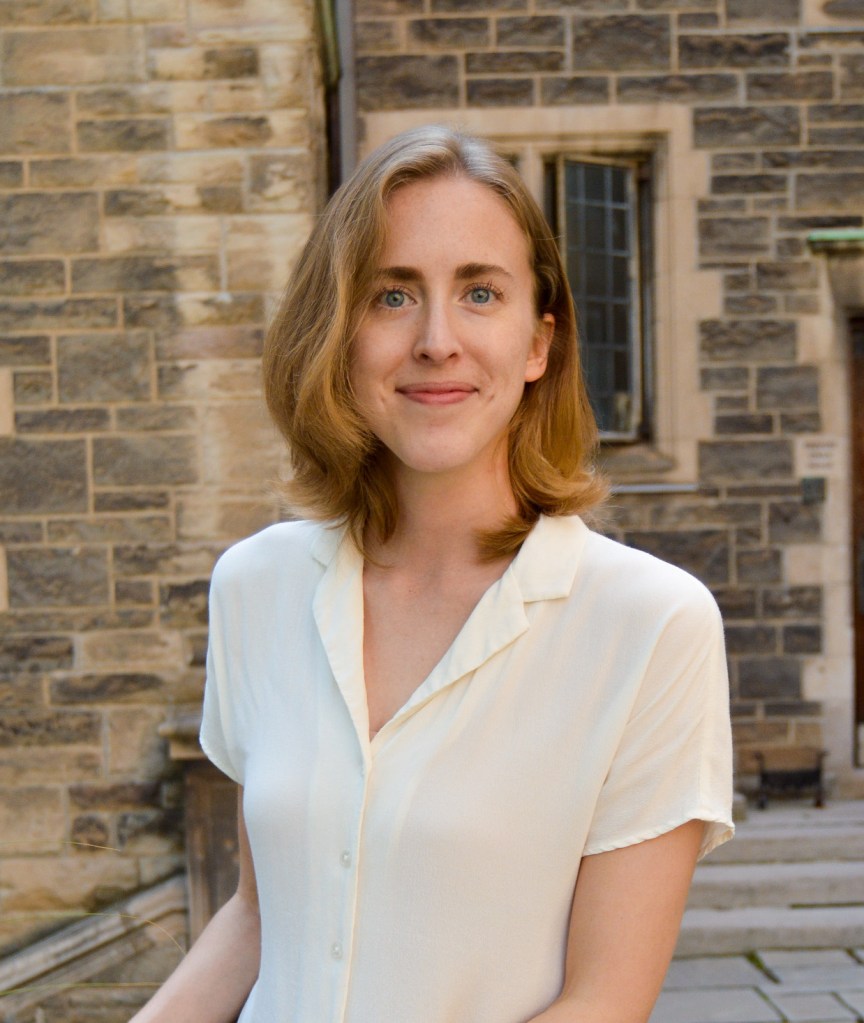
J Hughes, PhD candidate in the Department of English and the Book History and Print Culture collaborative specialization, University of Toronto.
Photo credit: Andrew Chang
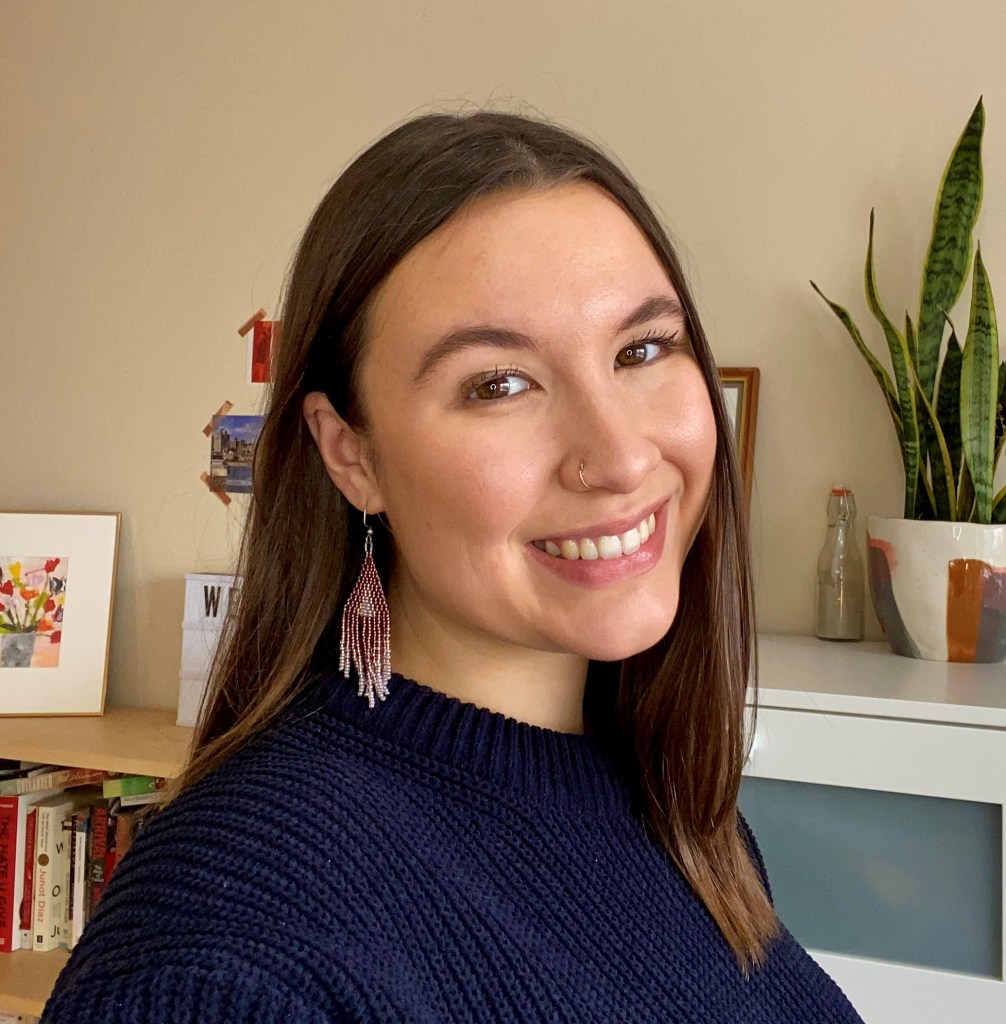
Emily Hand (MA, 2024, English, University of Toronto).
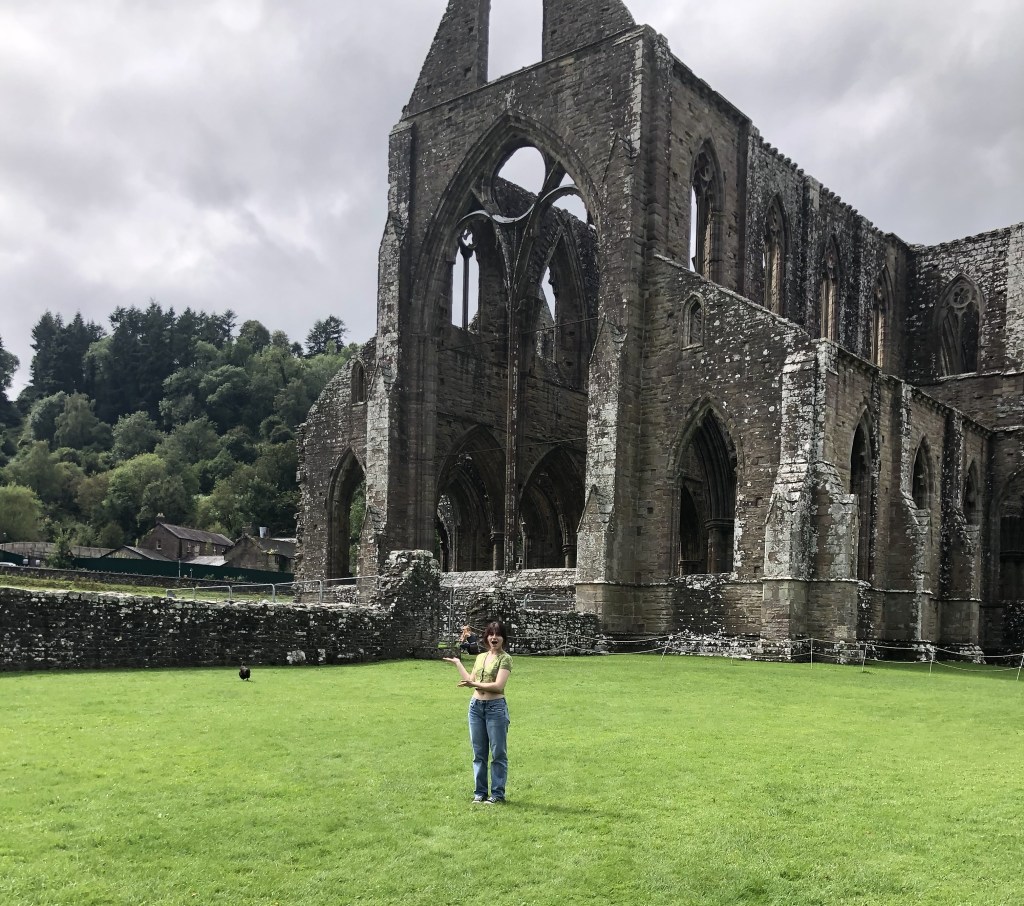
Elisa Vano (she/her) completed her BA in English at the University of Toronto. She is now an MPhil student at Oxford University.

 DANIEL AURELIANO NEWMAN