Bird list, Newman “Nature Preserve” (2022-2025)

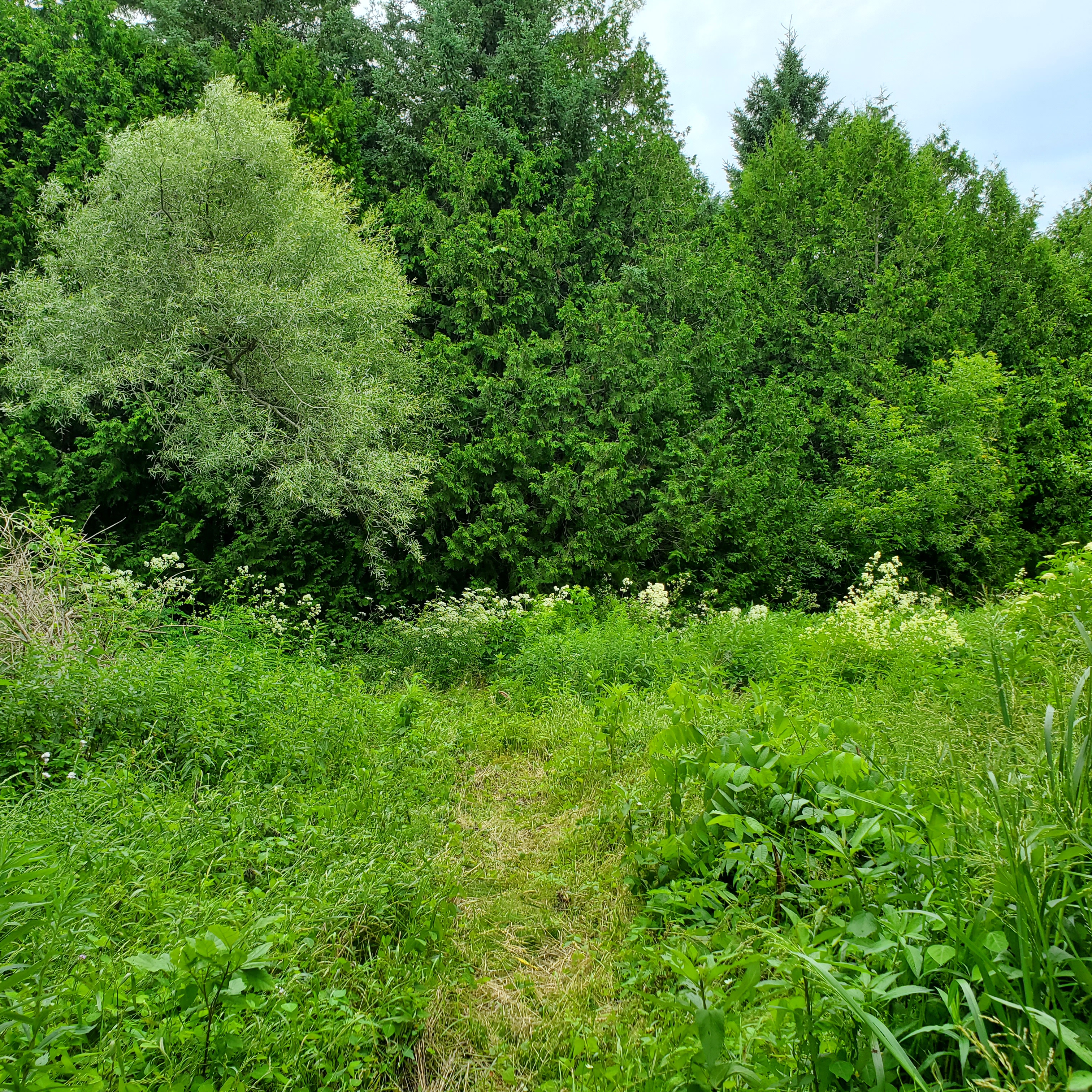
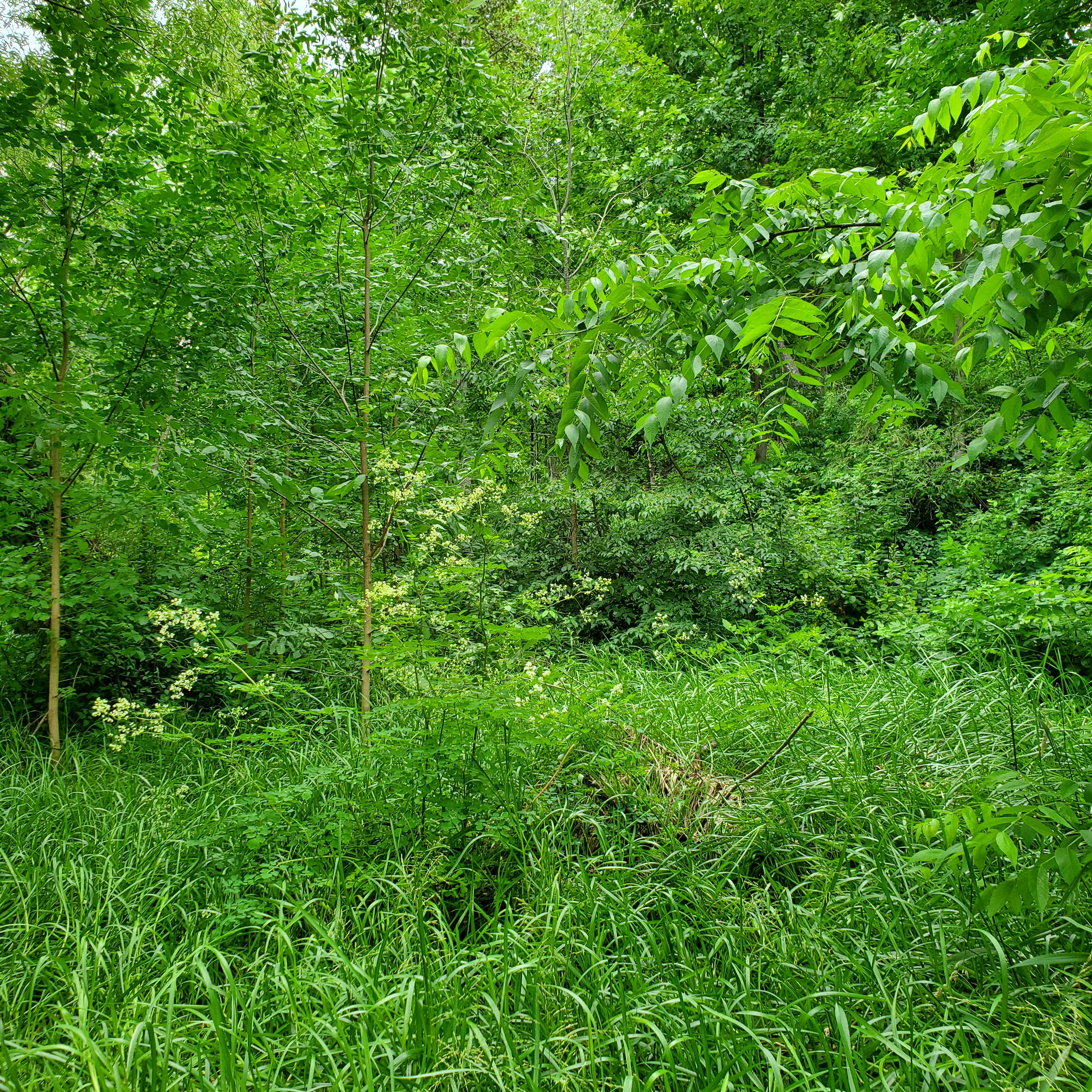
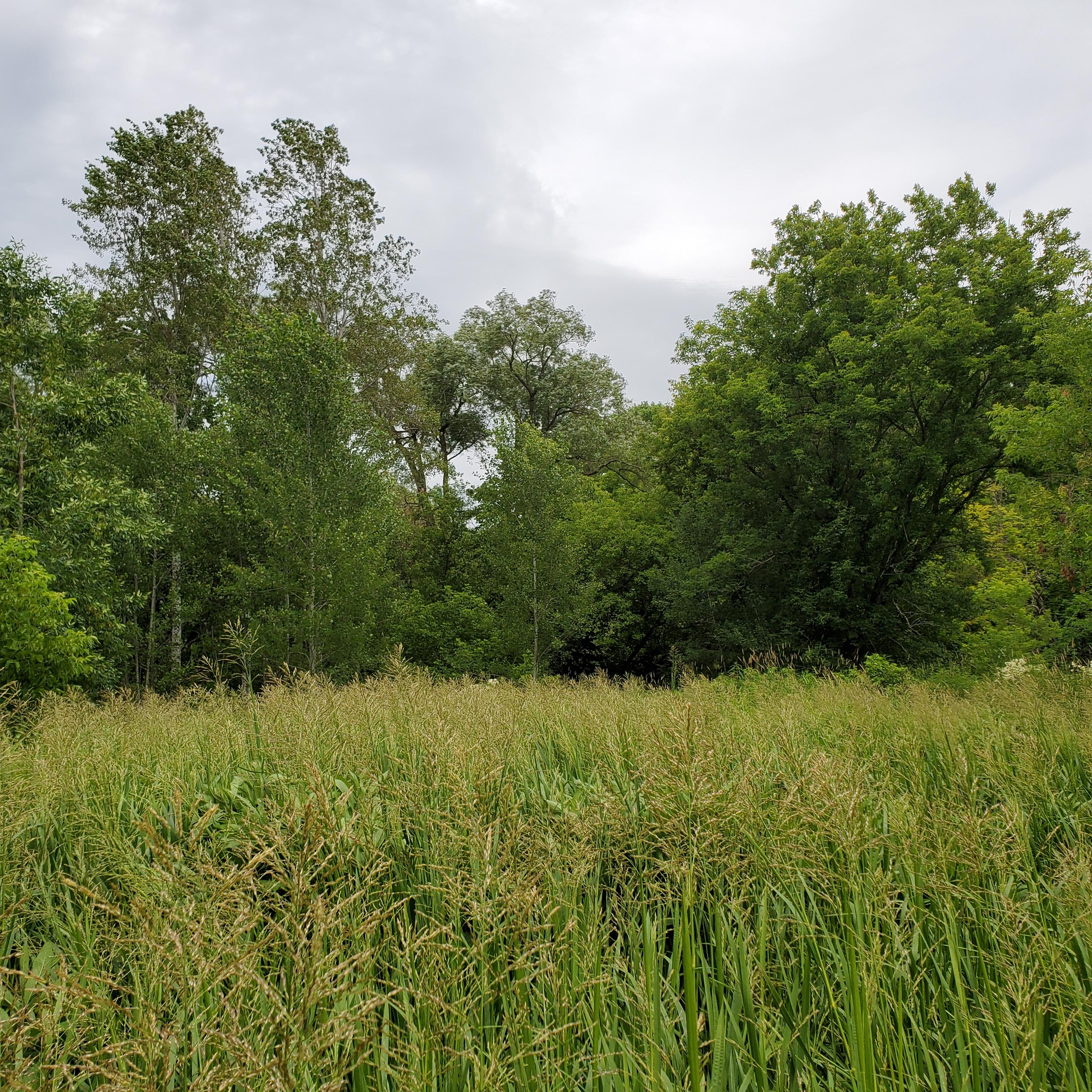
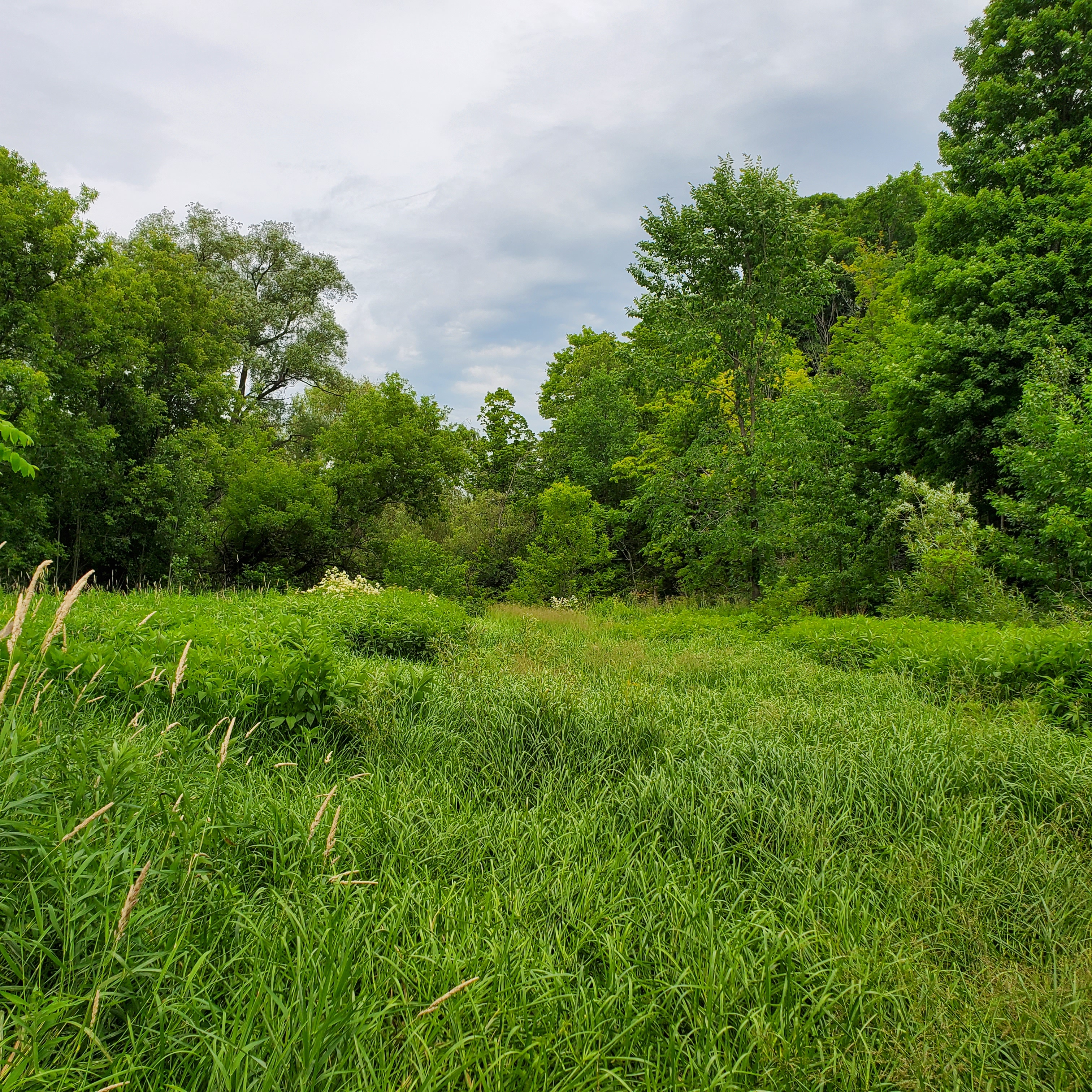
An avid birder in my tweens and early teens, I downgraded to a fair-weather birder from around 15 to 45 (birding mostly while in new regions). But in the past two years, I’ve slowly become somewhat more avid again. Part of this change came from moving to the country into a house with lots of easily accessible habitats: wet meadow, dense forest, creek valley, “prairie.” Since moving here in July 2022, my kids and I have been documenting all the bird species we see on or from the property.

In June 2025, I reached the milestone of 100 bird species seen or heard on (or from) the property! The bird that put me into the three digits was a green heron. On December 11, 2025, I saw bird registered #112, a Barred Owl. Here is the complete list (July 1, 2022, to present):

  1. Snow goose, Anser caerulescens (Oct 20, 2025)
  2. Canada goose, Branta canadensis
  3. Cackling goose, Branta hutchinsii (Sept 26, 2025)
  4. Trumpeter swam, Cygnus buccinator (May 4, 2025)
  5. Mallard, Anas platyrhynchos
  6. Wood duck, Aix sponsa (May 2025)
  7. Common merganser, Mergus merganser (Feb 1, 2024)
  8. Wild turkey, Meleagris gallopavo (2023) (bred on property in 2023 and 2024)
  9. Ruffed grouse, Bonasa umbellus
  10. Rock pigeon, Columba livia
  11. Mourning dove, Zenaida macroura
  12. Black-billed cuckoo, Coccyzus erythropthalmus (July 16, 2025; lifer)
  13. Common nighthawk, Chordeiles minor
  14. Chimney swift, Chaetura pelagica
  15. Ruby-throated hummingbird, Archilochus colubris
  16. Killdeer, Charadrius vociferus (April 2025)
  17. Solitary sandpiper, Tringa solitaria (June 25, 2025, heard only)
  18. Greater yellowlegs, Tringa melanoleuca (September 15, 2025)
  19. American woodcock, Scolopax minor (April 10, 2025; mating display; lifer)
  20. Ring-billed gull, Larus delawarensis
  21. Great blue heron, Ardea Herodias
  22. Green heron, Butorides virescens (June 14, 2025)
  23. Double-crested cormorant, Nannopterum auritum
  24. Turkey vulture, Cathartes aura
  25. Osprey, Pandion haliaetus
  26. Bald eagle, Haliaeetus leucocephalus
  27. Northern harrier, Circus hudsonius
  28. Sharp-shinned hawk, Accipiter striatus
  29. Cooper’s hawk, Accipiter cooperii
  30. Broad-winged hawk, Buteo platypterus
  31. Red-tailed hawk, Buteo jamaicensis
  32. Merlin, Falco columbarius
  33. American kestrel, Falco sparverius (Sept 1, 2025)
  34. Asio owl, Asio otus or Asio flammeus (March 2024)
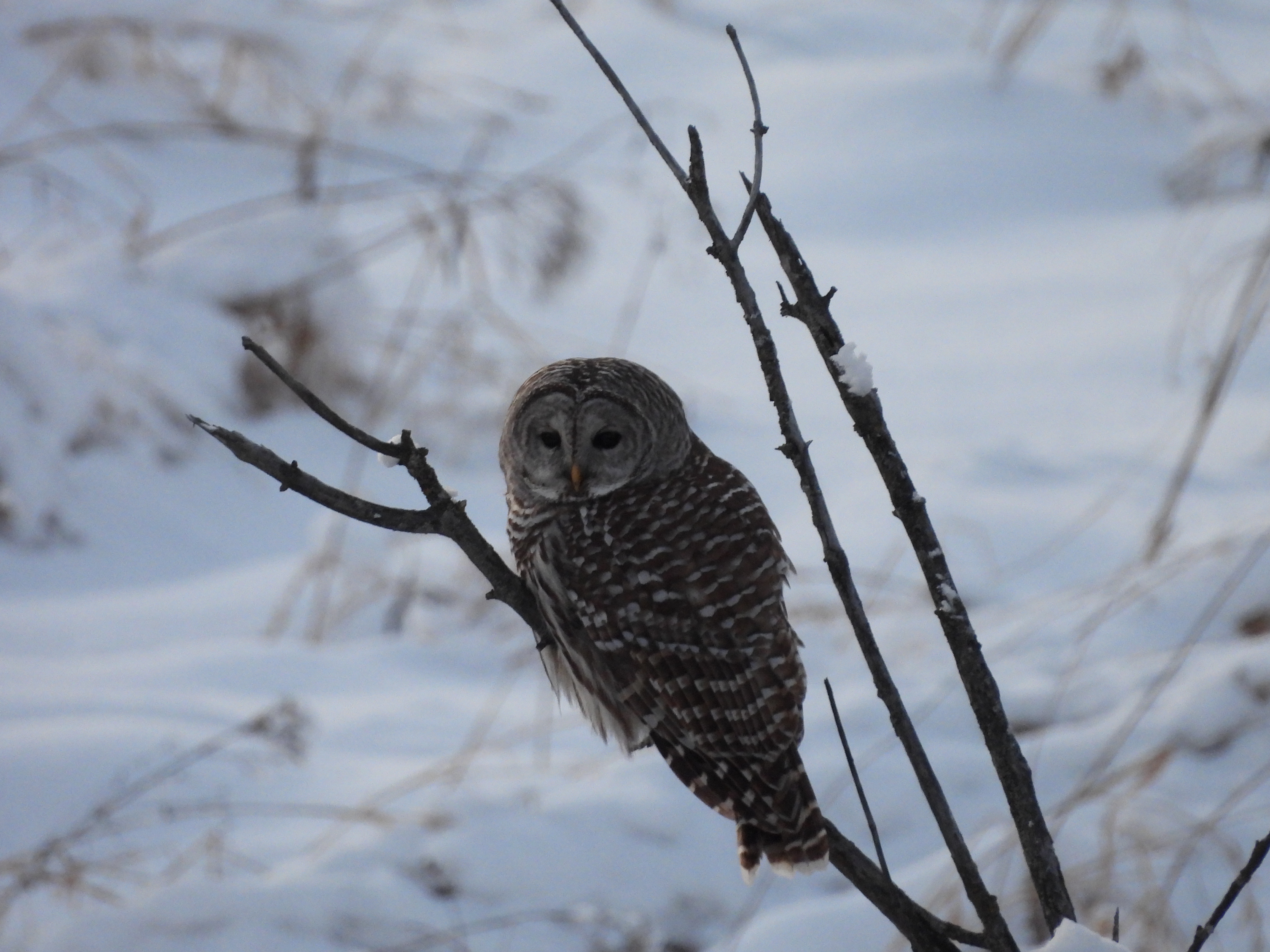
  35. Barred owl, Strix varia (Dec 11, 2025) (see photo below)
  36. Belted kingfisher, Megaceryle alcyon (breeds on property all years)
  37. Red-bellied woodpecker, Melanerpes carolinus (breeds on property all years)
  38. Yellow-bellied sapsucker, Sphyrapicus varius
  39. Downy woodpecker, Dryobates pubescens
  40. Hairy woodpecker, Dryobates villosus
  41. Northern flicker, Colaptes auratus (bred on property in 2025)
  42. Pileated woodpecker, Dryocopus pileatus
  43. Eastern kingbird, Tyrannus tyrannus
  44. Great crested flycatcher, Myiarchus crinitus
  45. Eastern phoebe, Sayornis phoebe (bred on property in 2024)
  46. Eastern Wood-Pewee, Contopus virens (May 29, 2025)
  47. Least flycatcher, Empidonax minimus (May 8, 2025)
  48. Golden-crowned kinglet, Regulus satrapa (March 2024)
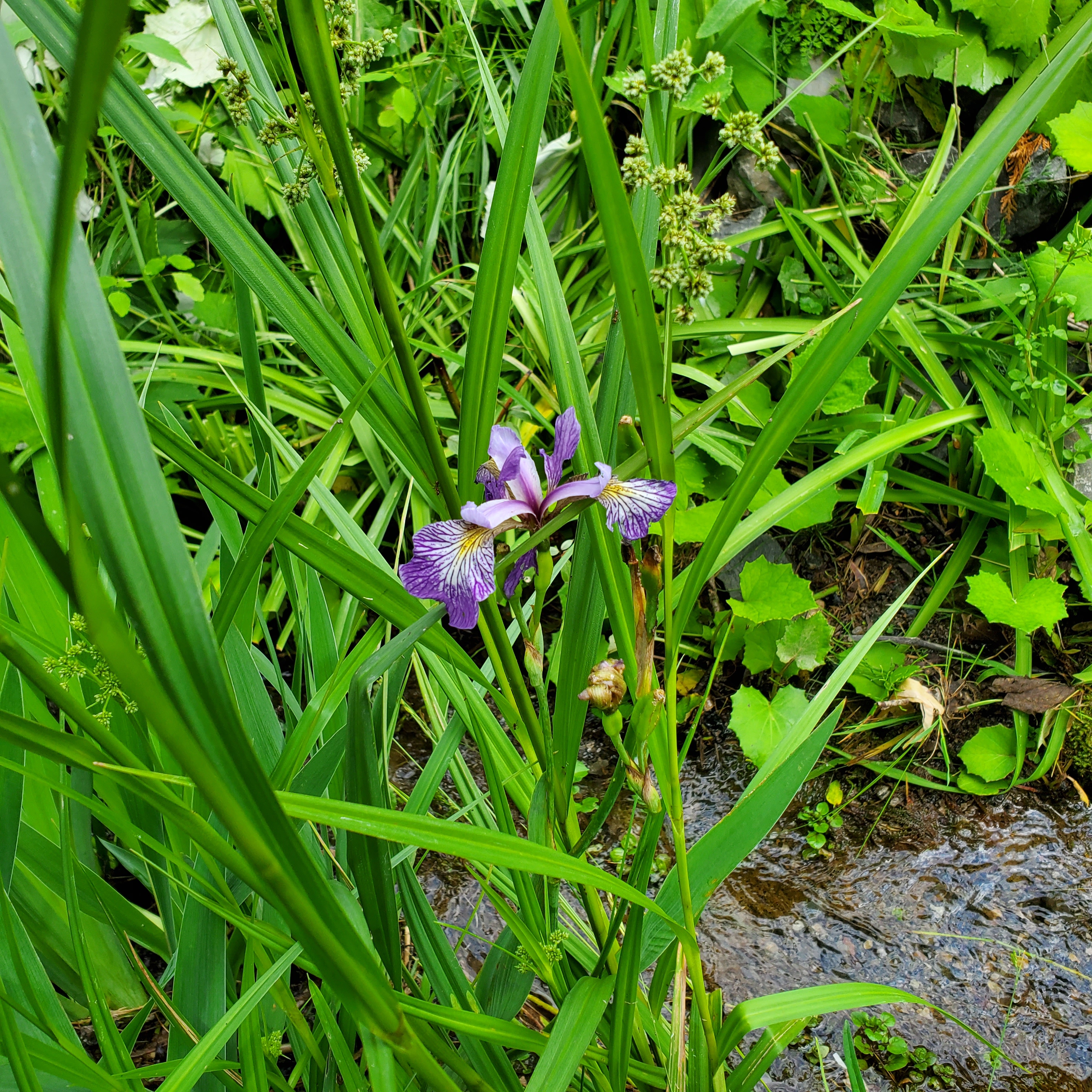
  49. Ruby-crowned kinglet, Corthylio calendula (Spring 2024)
  50. Cedar waxwing, Bombycilla cedrorum
  51. Blue-headed vireo, Vireo solitarius (Sept 2024)
  52. Red-eyed vireo, Vireo olivaceus
  53. Blue jay, Cyanocitta cristata
  54. American crow, Corvus brachyrhynchos
  55. Common raven, Corvus corax
  56. Black-capped chickadee, Poecile atricapilla
  57. Barn swallow, Hirundo rustica
  58. Bank swallow, Riparia riparia
  59. Tree swallow, Tachycineta bicolor
  60. White-breasted nuthatch, Sitta carolinensis
  61. Red-breasted nuthatch, Sitta canadensis (Sept 2024)
  62. Brown creeper, Certhia americana
  63. House wren, Troglodytes aedon (bred on property in 2023-2025)
  64. Winter wren, Troglodytes hiemalis (Nov 2024)
  65. Grey catbird, Dumetella carolinensis
  66. European starling, Sturnus vulgaris
  67. Eastern bluebird, Sialia sialis (February 2023)
  68. American robin, Turdus migratorius
  69. Veery, Catharus fuscescens (June 14, 2025, heard only)
  70. Swainson’s Thrush, Catharus ustulatus (Sept 2024)
  71. Hermit Thrush, Catharus guttatus (Nov 8, 2025)
  72. House sparrow, Passer domesticus (2022)
  73. House finch, Haemorhous mexicanus
  74. Purple finch, Haemorhous purpureus
  75. American goldfinch, Spinus tristis (2022)
  76. Chipping sparrow, Spizella passerine
  77. American tree sparrow, Spizelloides arborea (Winter 2023)
  78. Swamp sparrow, Melospiza georgiana (Sept 2024)
  79. Dark-eyed junco, Junco hyemalis
  80. White-throated sparrow, Zonotrichia albicollis
  81. White-crowned sparrow, Zonotrichia leucophrys (Sept 17, 2024)
  82. Song sparrow, Melospiza melodia
  83. Fox sparrow, Passerella iliaca (Oct 24, 2025)
  84. Baltimore oriole, Icterus galbula (bred on property in 2025)
  85. Red-winged blackbird, Agelaius phoeniceus (bred on property all years)
  86. Rusty blackbird, Euphagus carolinus (Oct 6, 2025)
  87. Brown-headed cowbird, Molothrus ater
  88. Common grackle, Quiscalus quiscula
  89. Ovenbird, Seiurus aurocapilla (May 9, 2025)
  90. Black-and-white warbler, Mniotilta varia
  91. Tennessee warbler, Leiothlypis peregrina
  92. Nashville warbler, Leiothlypis ruficapilla
  93. Canada warbler, Cardellina canadensis
  94. Wilson’s warbler, Cardellina pusilla (Sept 14, 2025)
  95. Mourning warbler, Geothlypis philadelphia (May 25, 2025)
  96. Blackpoll warbler, Setophaga striata (Sept 2024, female/immature; lifer)
  97. Bay-Breasted warbler, Setophaga castanea (Aug 25, male)
  98. Northern Parula, Setophaga americana (Sept 2024; lifer)
  99. American redstart, Setophaga ruticilla (Sept 2024)
  100. Cape May warbler, Setophaga tigrina (May 9, 2025)
  101. Black-throated blue warbler, Setophaga caerulescens (Spring 2023)
  102. Black-throated green warbler, Setophaga virens (Sept 2024)
  103. Pine warbler, Setophaga pinus (Fall 2022)
  104. Blackburnian warbler, Setophaga fusca (Aug 2024)
  105. Yellow-rumped warbler, Setophaga coronate (Fall 2022)
  106. Chestnut-sided warbler, Setophaga pensylvanica (Fall 2022)
  107. Magnolia Warbler, Setophaga magnolia (Sept 2024)
  108. Palm warbler, Setophaga palmarum (Sept 1, 2025)
  109. Common Yellowthroat, Geothlypis trichas (Sept 2024; bred on property in 2025)
  110. Rose-breasted grosbeak, Pheucticus ludovicianus
  111. Indigo bunting, Passerina cyanea (July 2024, bred on property in 2024 and 2025)
  112. Northern cardinal, Cardinalis cardinalis

Edna O’Brien (1930-2024)

I don’t tend to write about the lives of authors, but I can’t help note that Edna O’Brien died today, aged 93, because I have found to be a peer among great Irish writers (and writers of any nation)–including Joyce and Beckett–ever since I read her novel Casualties of Peace. I picked it up at random in a used book store and read it in one sitting, surprised and delighted by its sophisticated technique and surprising plot. I then devoured most of her novels, my favourite being A Pagan Place, on which I have published an article. O’Brien is often described as a “chronicler of women’s lives,” and while this description isn’t inaccurate, it utterly fails to touch on what makes O’Brien so exciting: her style and experimentalism. It’s less flashy than Joyce or Beckett, but she was a stylist of the top tier. Her experimental novel Night is no less compelling than her more (melo)dramatic fare, like The Wild Decembers.

Cultivating one’s garden…

… if by cultivating, I just mean walking around and seeing what’s growing on July 3, 2024.

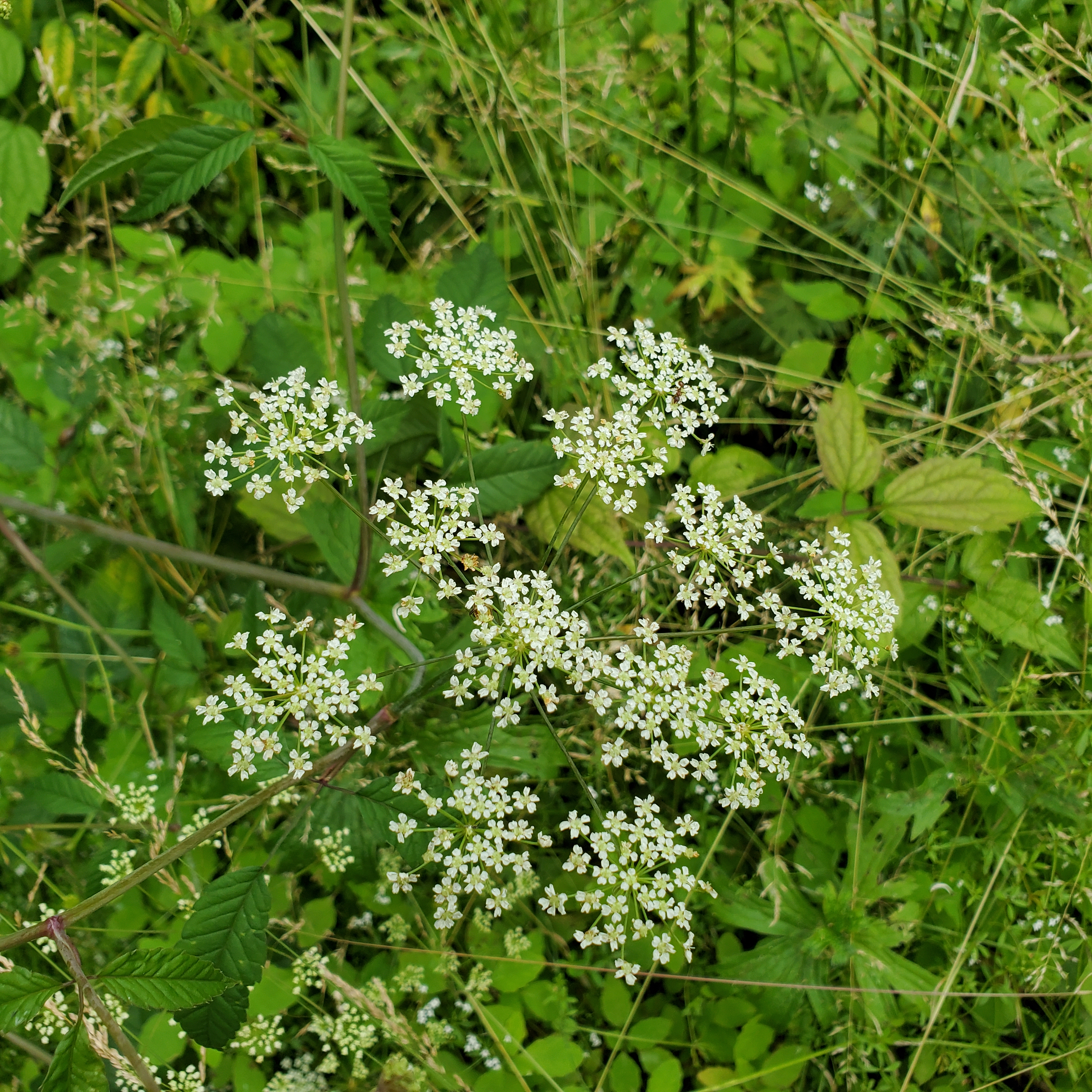
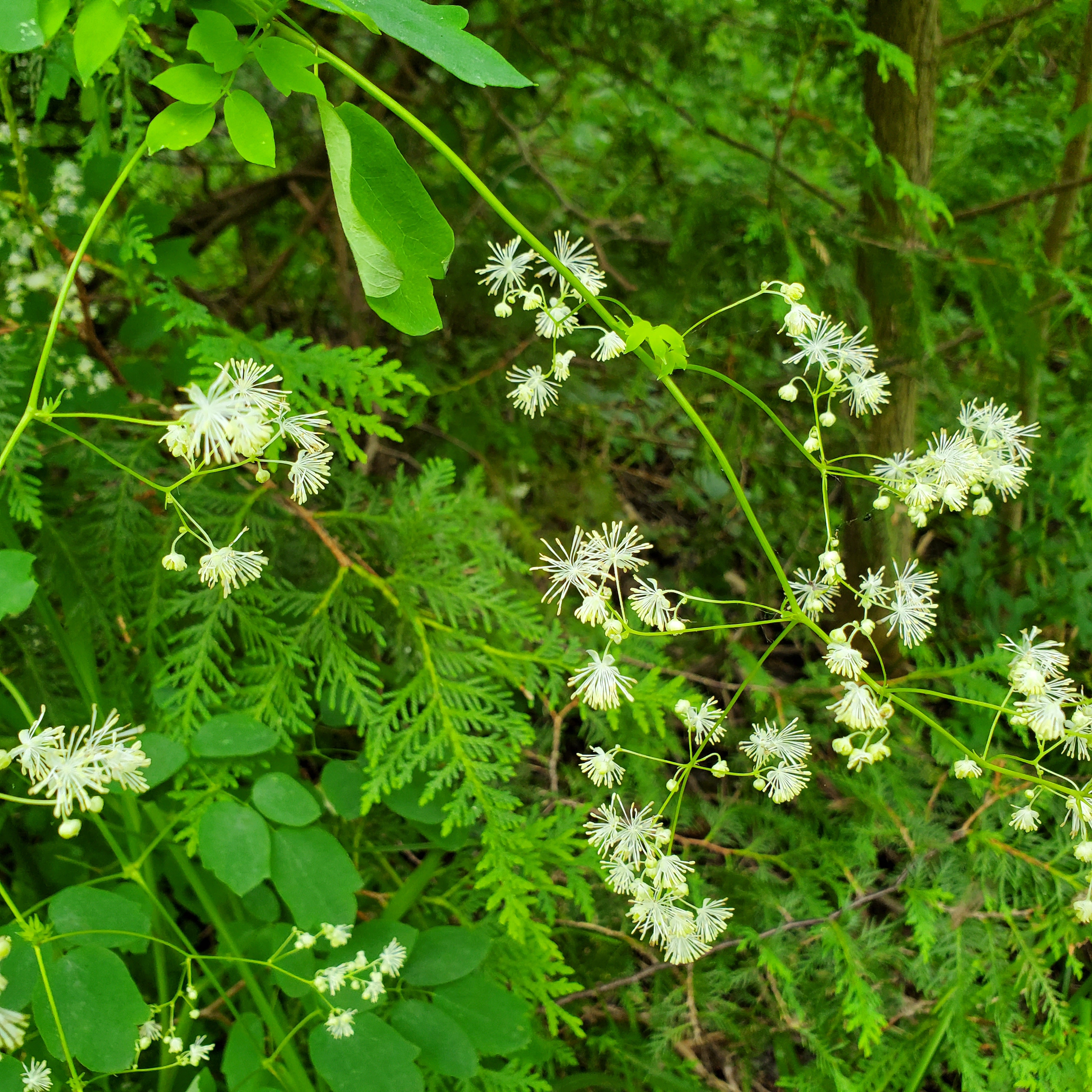
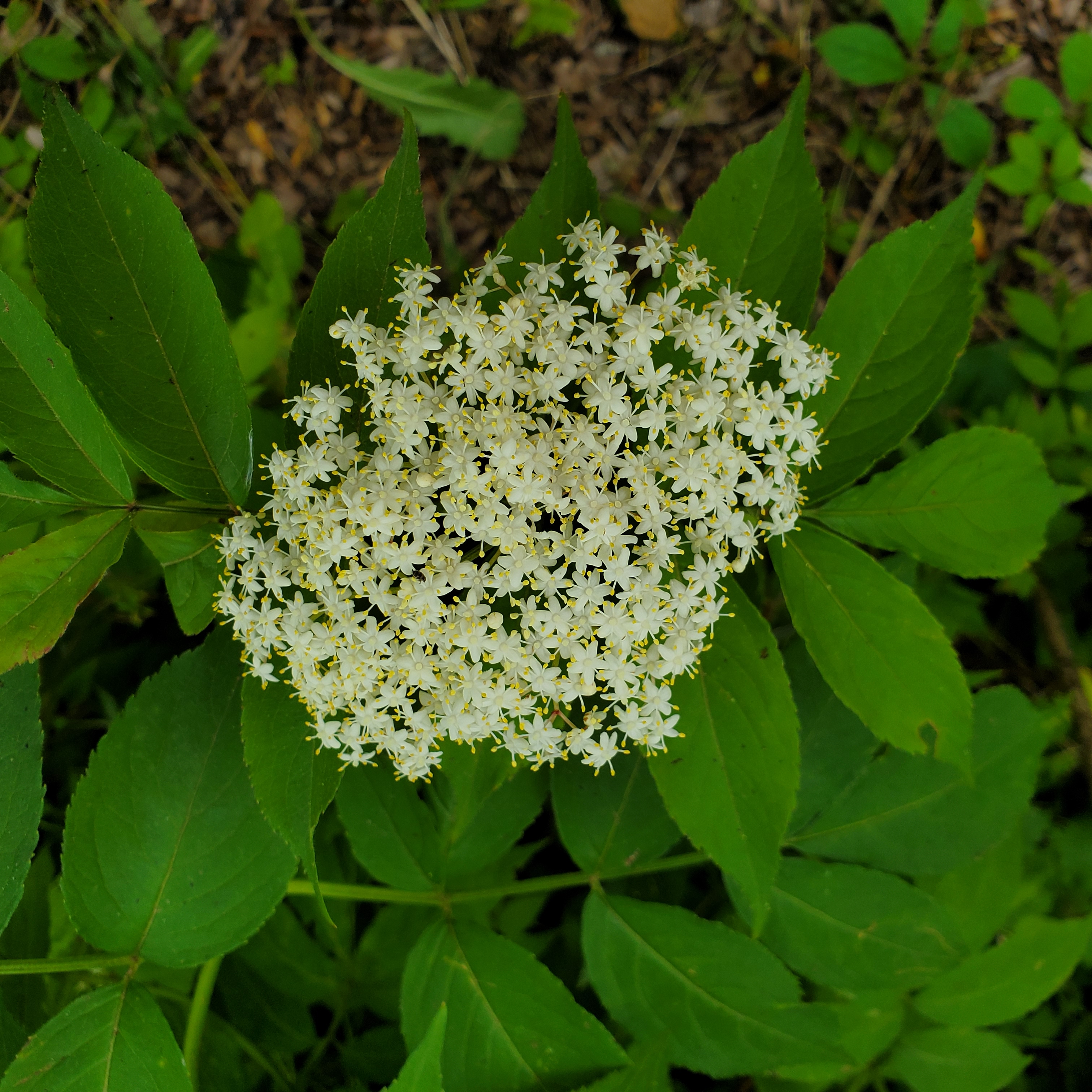
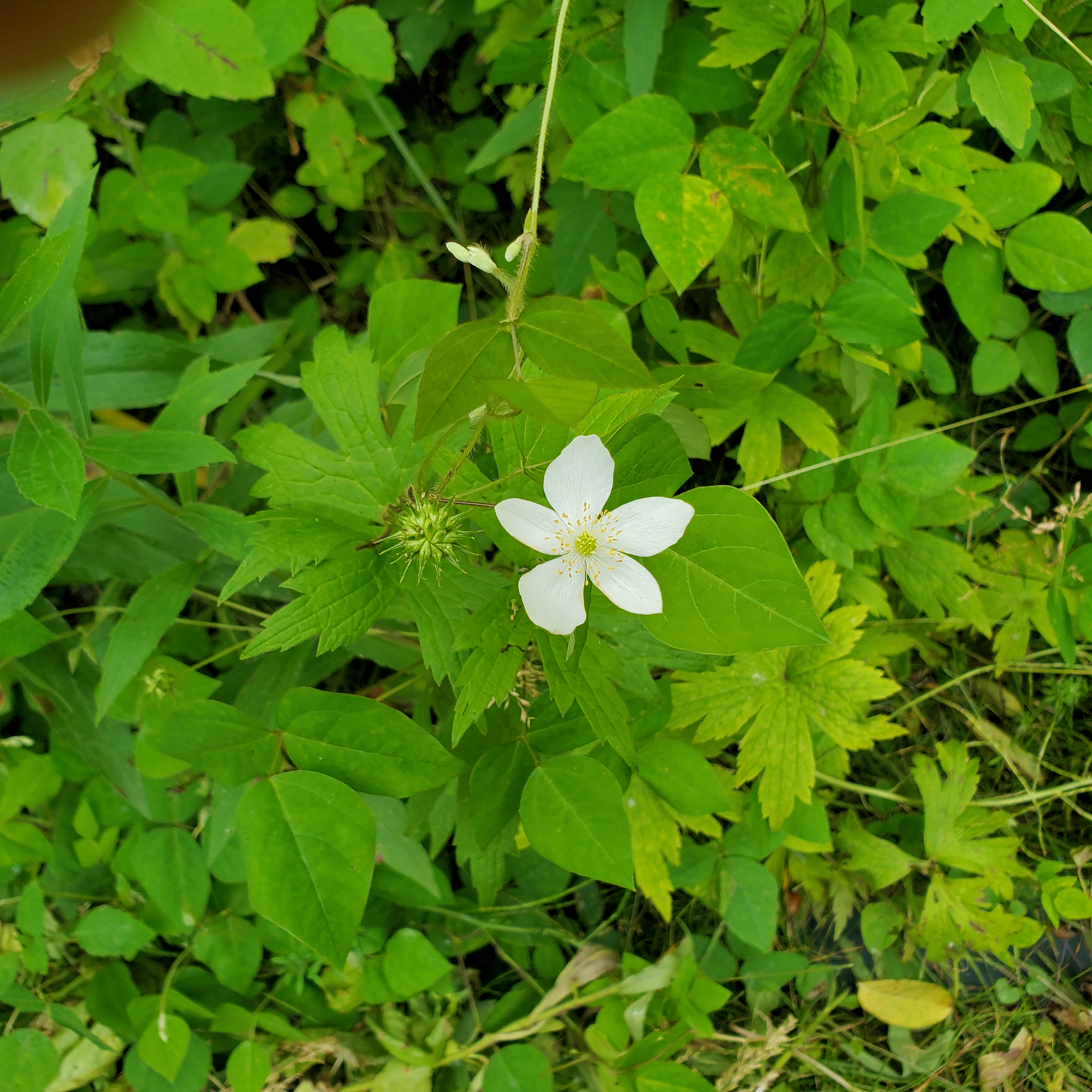
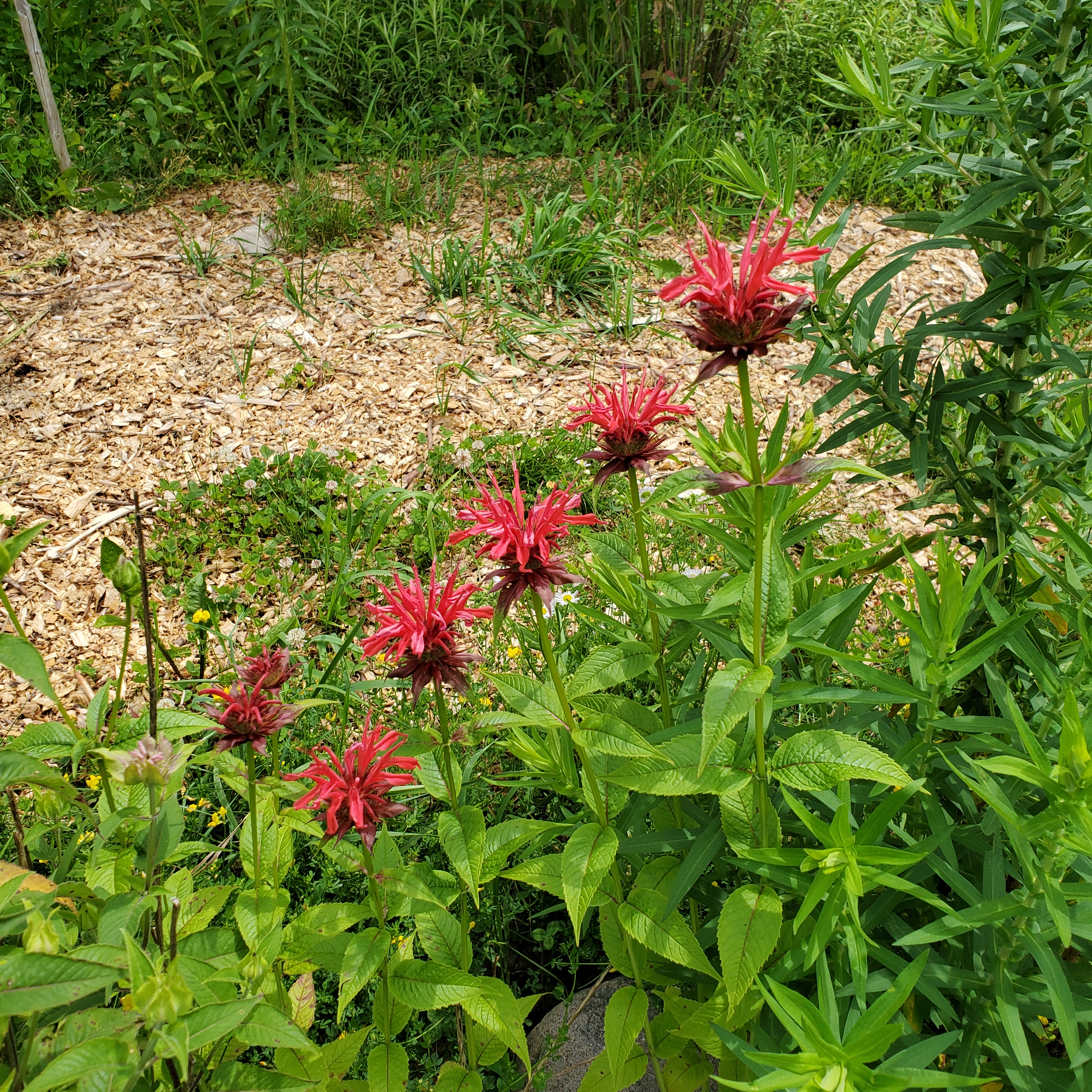
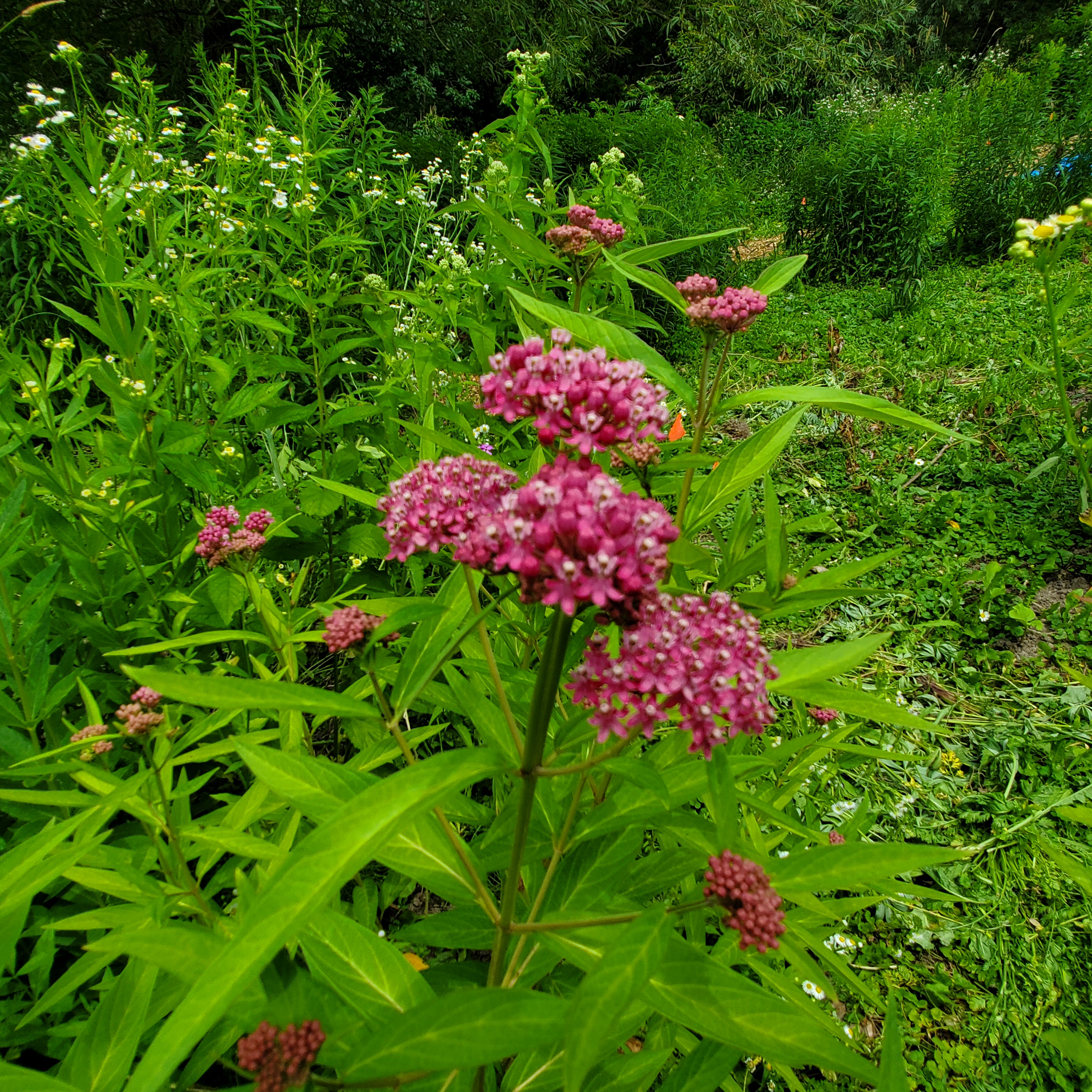
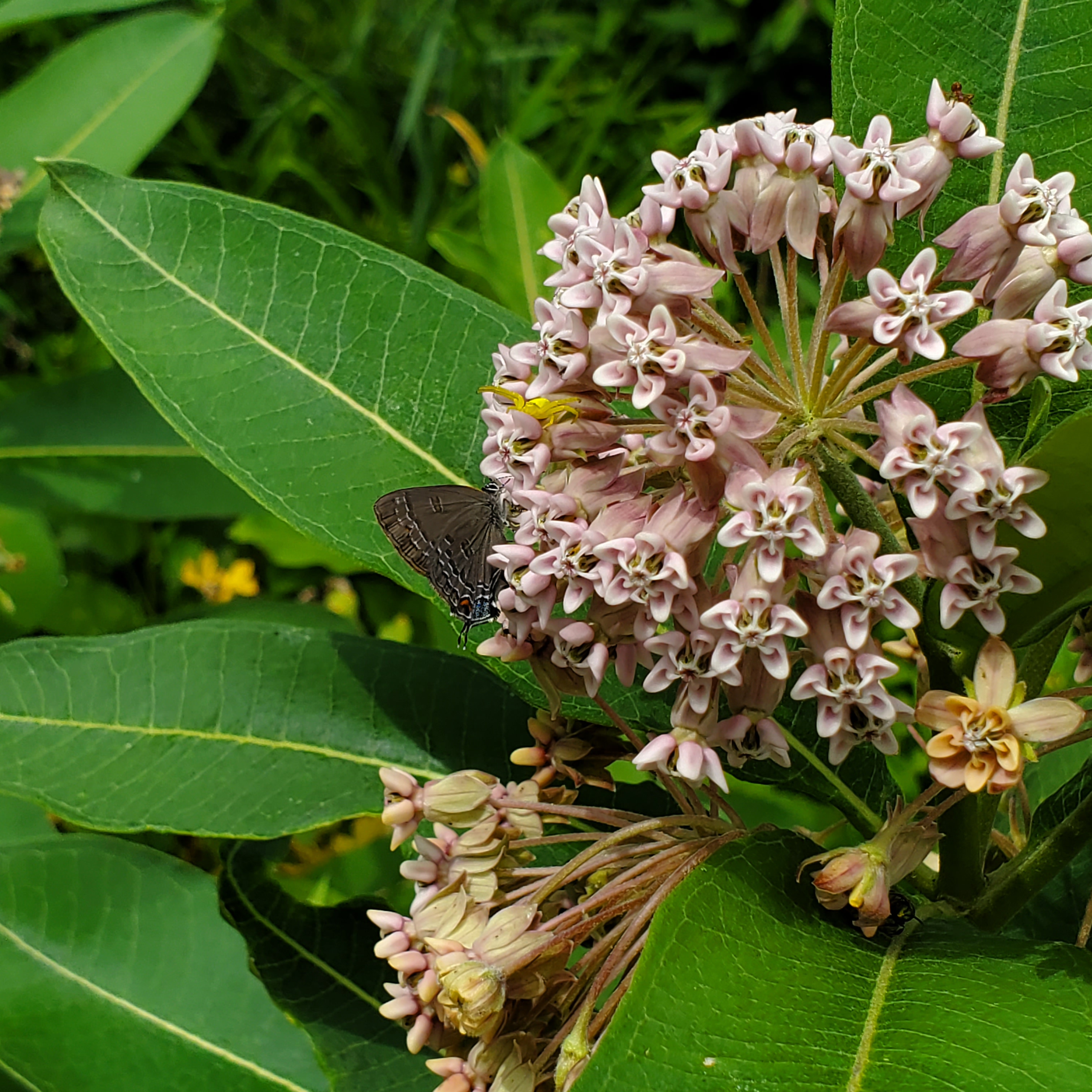
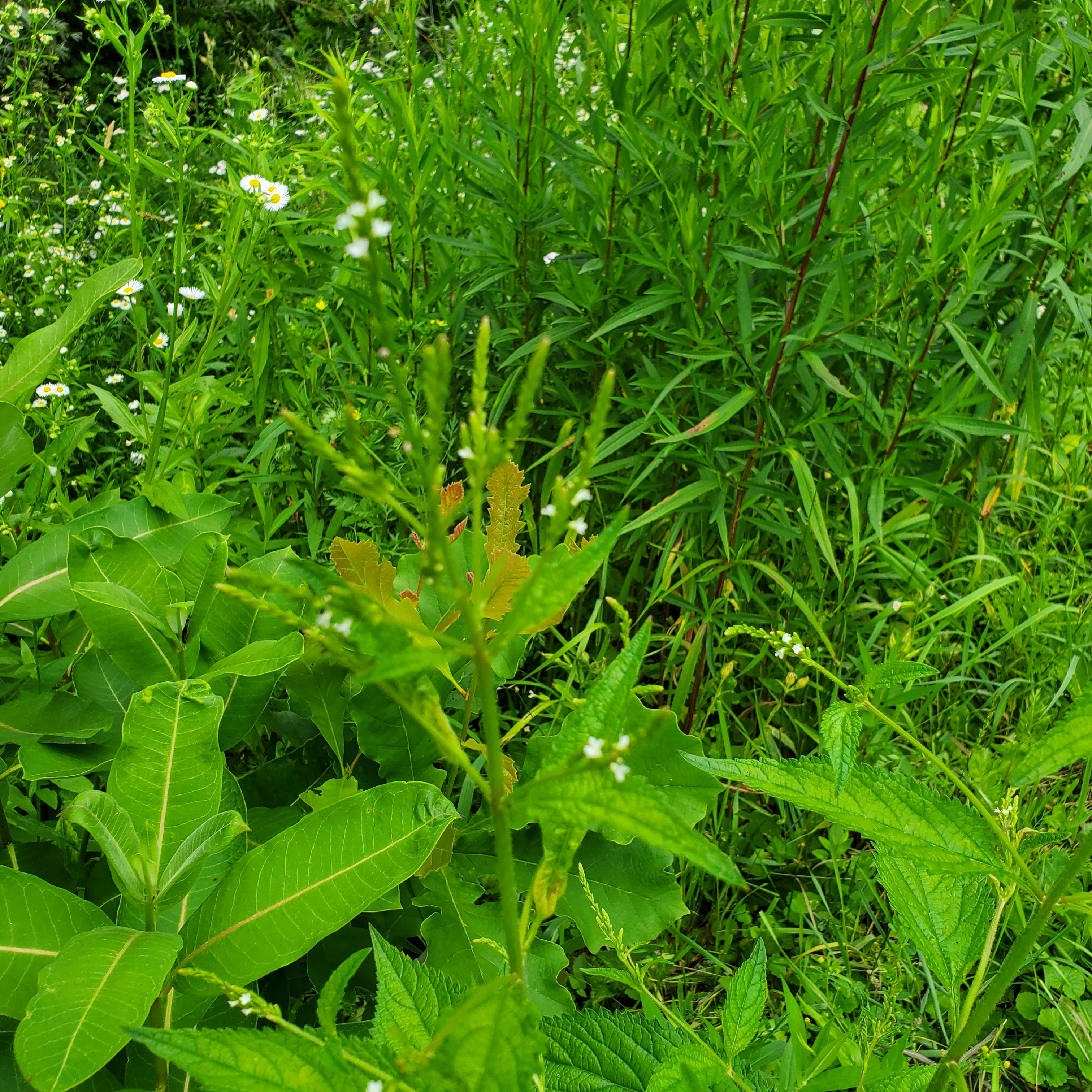
After a very warm, rainy June, the wet meadow is greener than it’s been in our 3 summers here so far. Lots of white flowers (naturally growing, i.e. not planted) are blooming right now; for example, above, water hemlock, tall meadow rue, Canadian elderberry and Canada anemone. Meanwhile, the native plants I’ve been planting are really taking off (below):

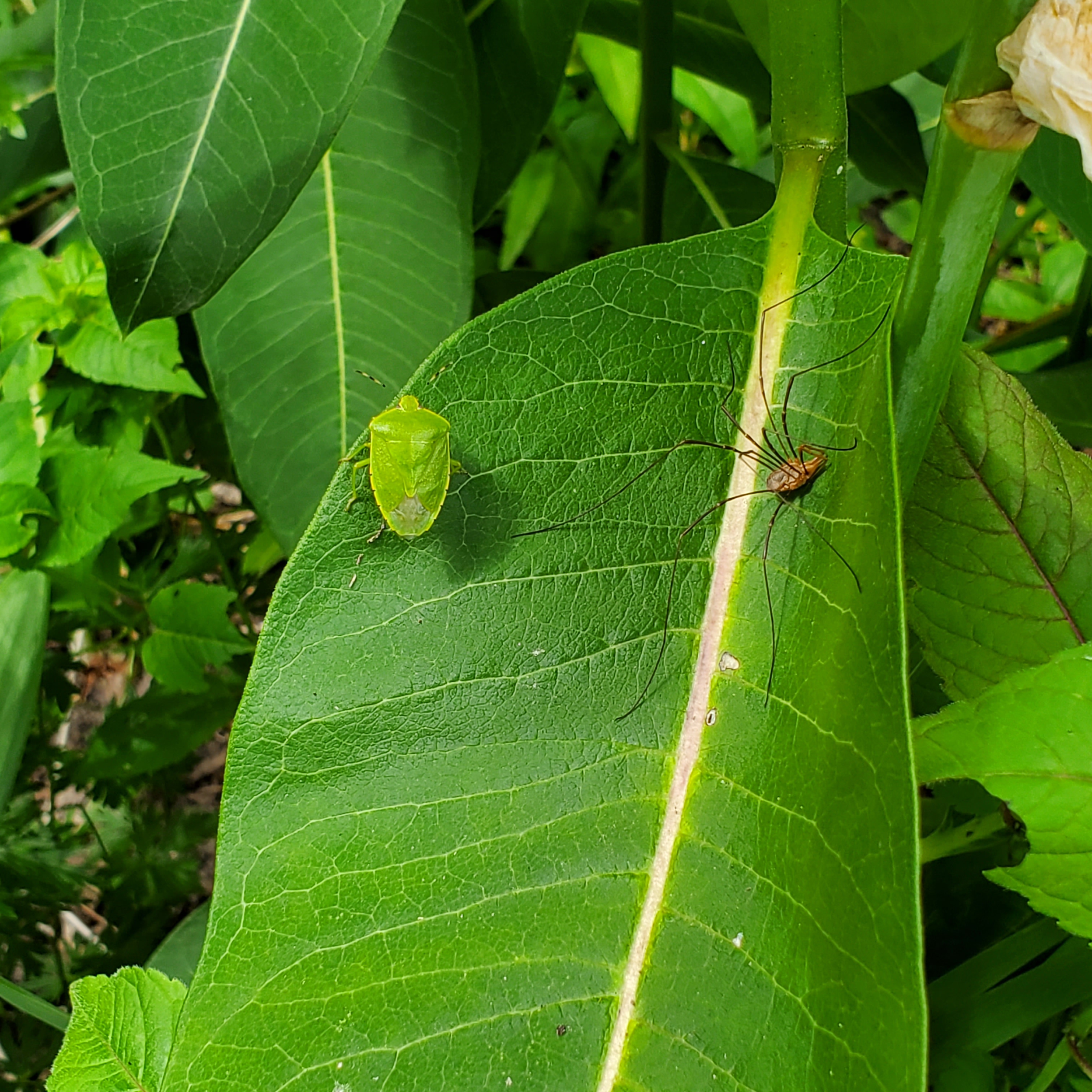
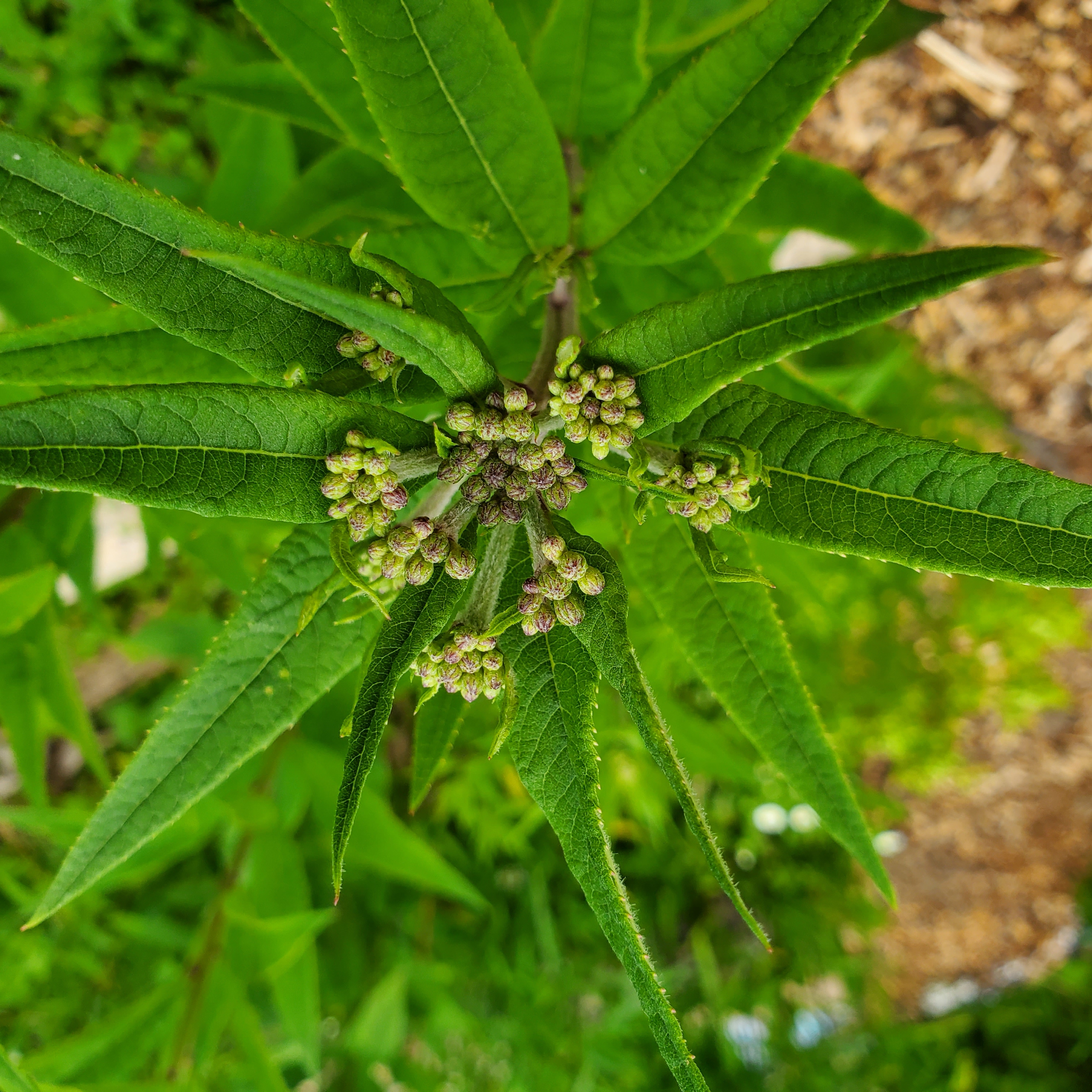
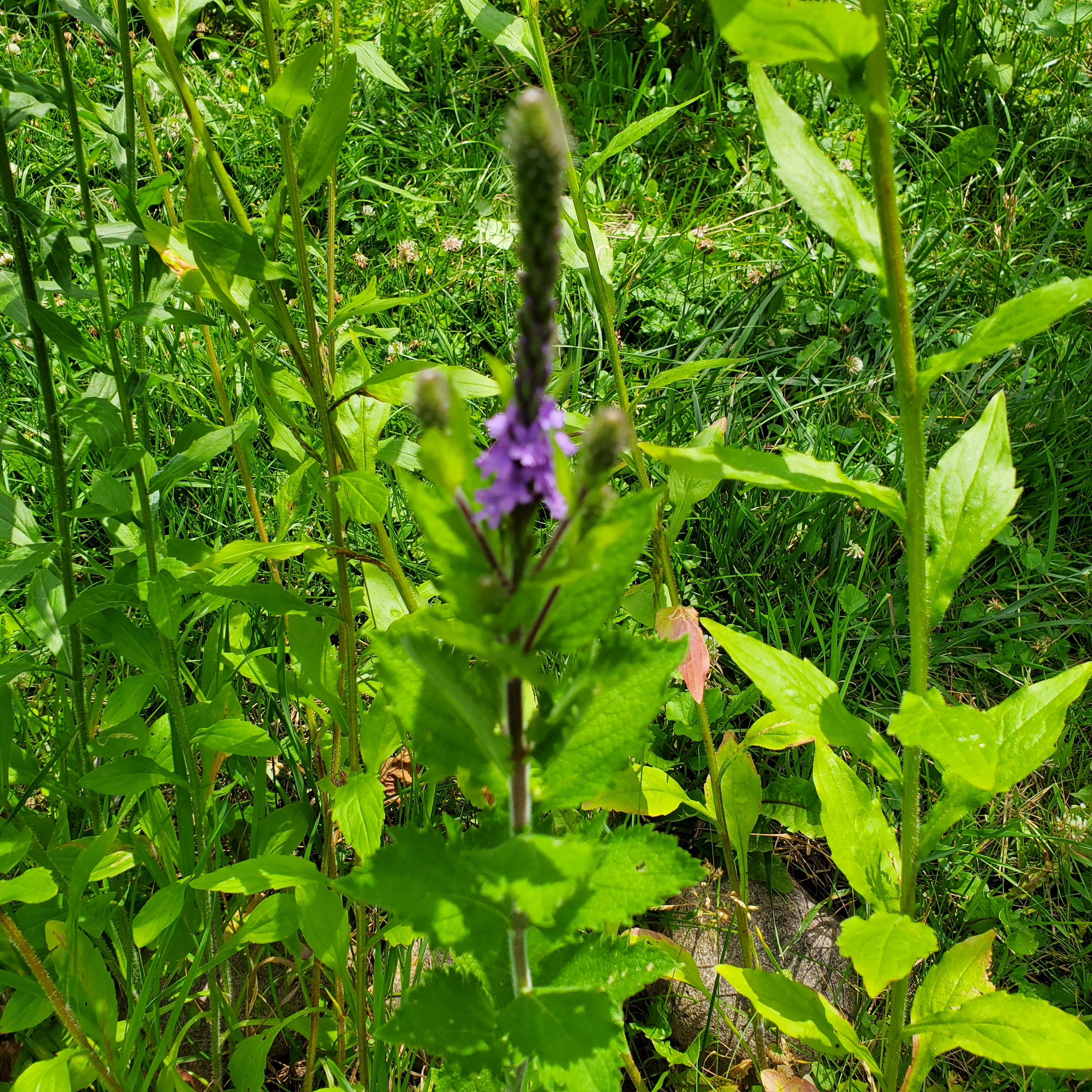
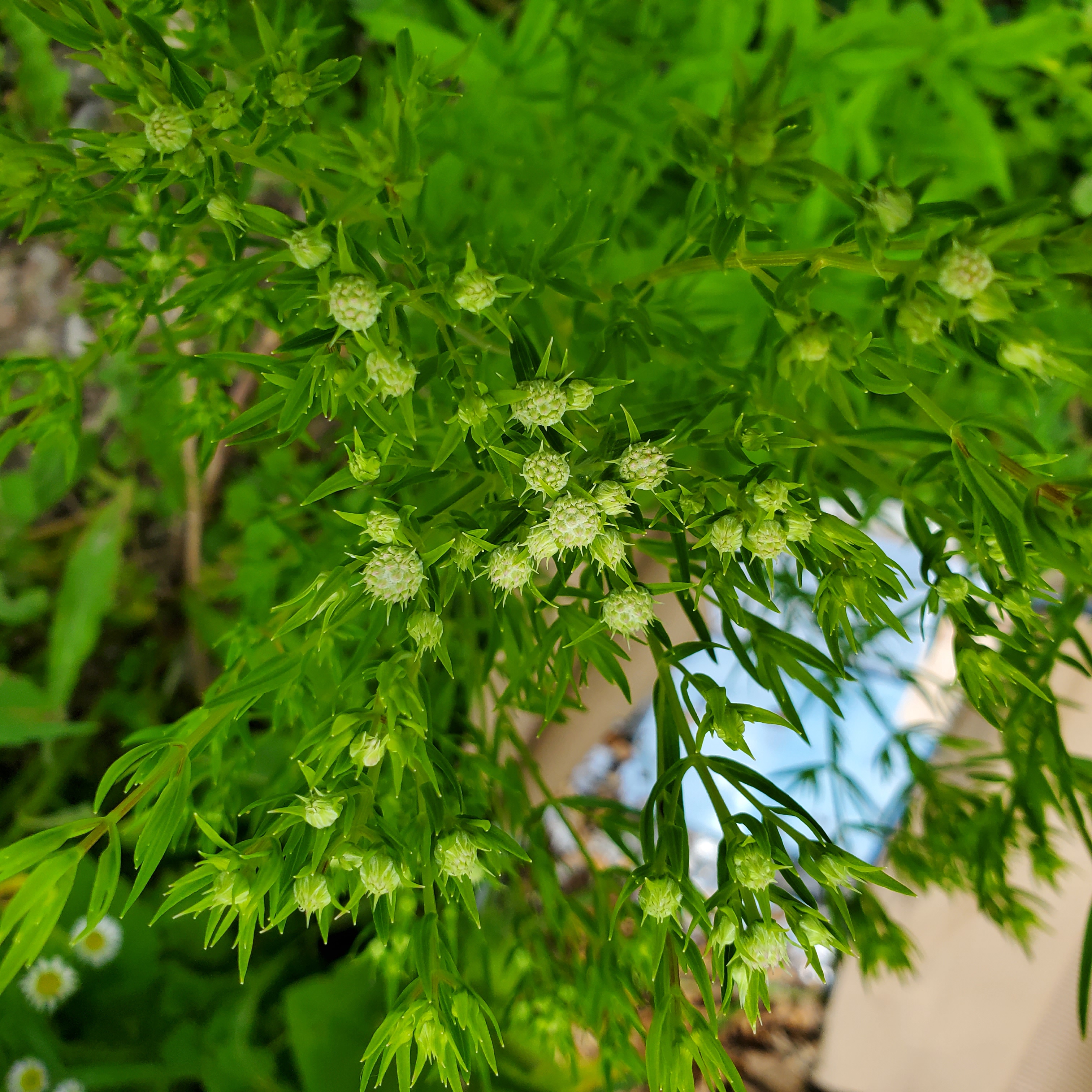
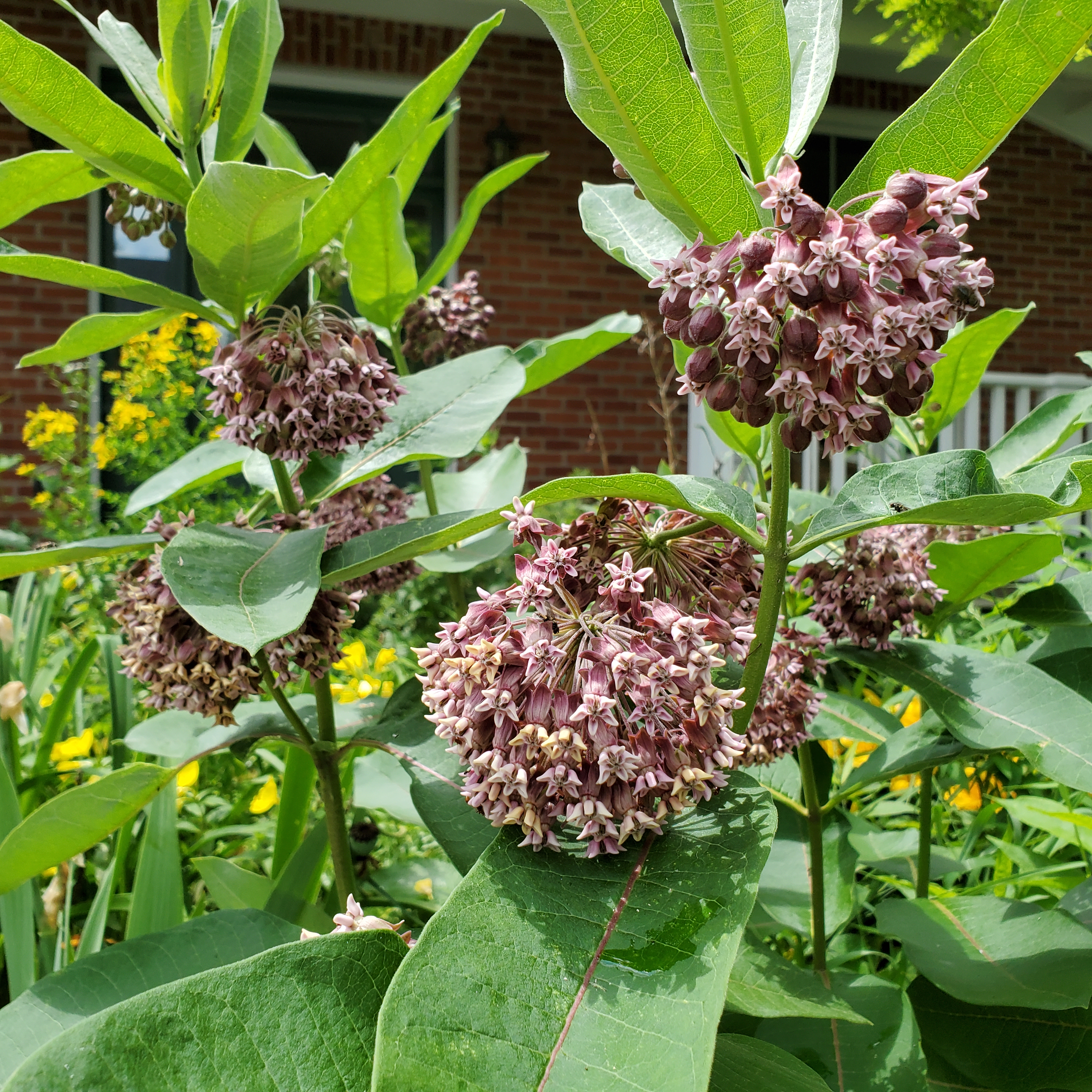
I’ll add Latin names later: from top right, clockwise: Scarlet Beebalm (Monarda didyma), Swamp Milkweed (Asclepias incarnata), a Blue butterfly and yellow crab spider on Common Milkweed (Asclepias syriaca), Ironweed, about to bloom; Virginia mountain-mint, about to bloom; Hoary Vervain, grown from seeds collected in the amazing native gardens at University College, University of Toronto; White Vervain, in foreground, with Burr Oak, Common Milkweed and more behind it; centre, a large stink bug and “daddy-longlegs” on a Common Milkweed leaf.

Mid-June in Ontario: Peak Plant Growth

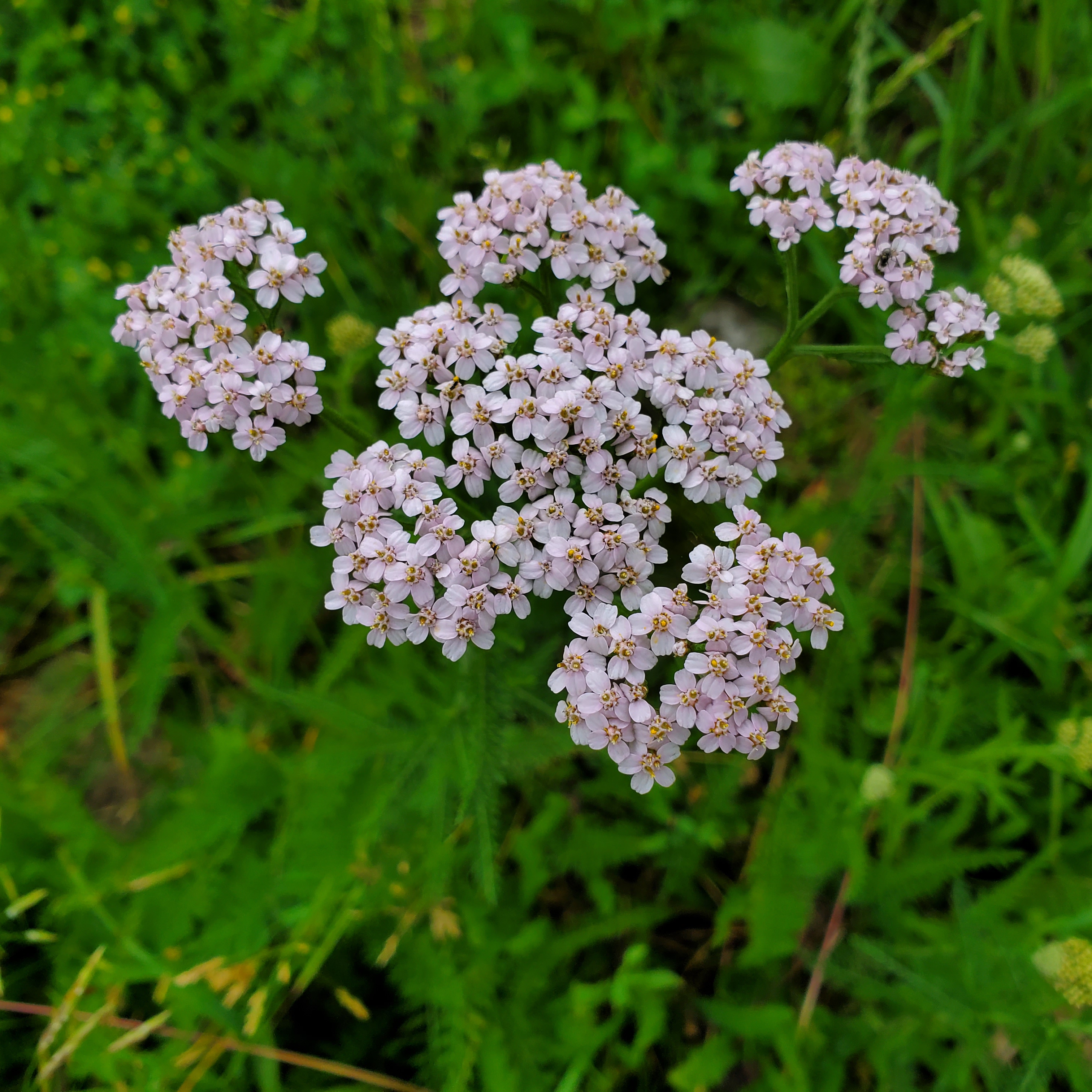
It’s been an unusually rainy June, coupled with some truly hot days. As a result, the plants in my garden are growing like mad. Here’s a selective round up for June 2024 so far, starting with some lovely fireweed (Chamaenerion angustifolium), with some yarrow (Achillea millefolium) and fleabane (Erigeron annuus) in the foreground (also some wild bergamot [Monarda fistulosa], not yet in flower). The trees in the background are trembling aspen (Populus tremuloides).

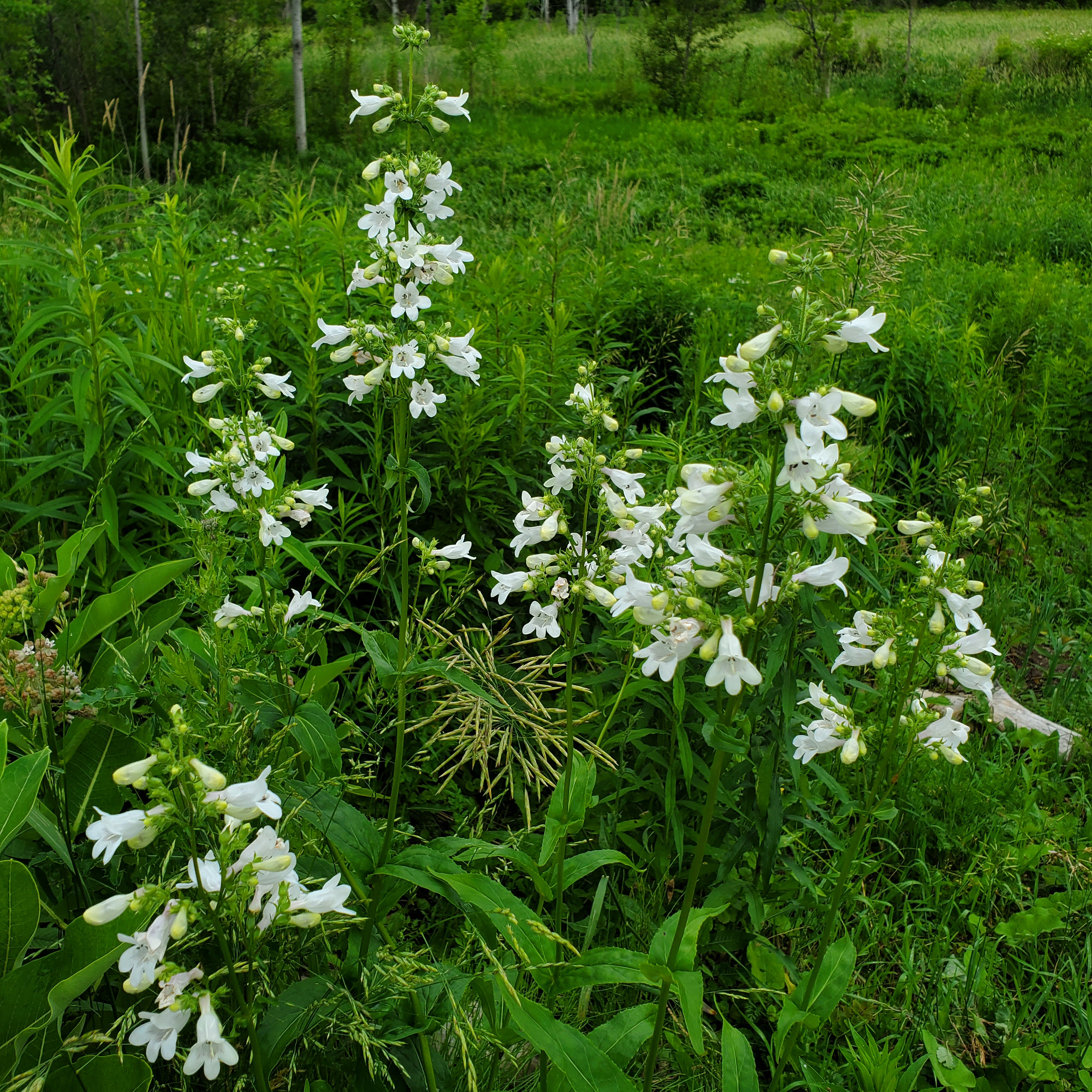
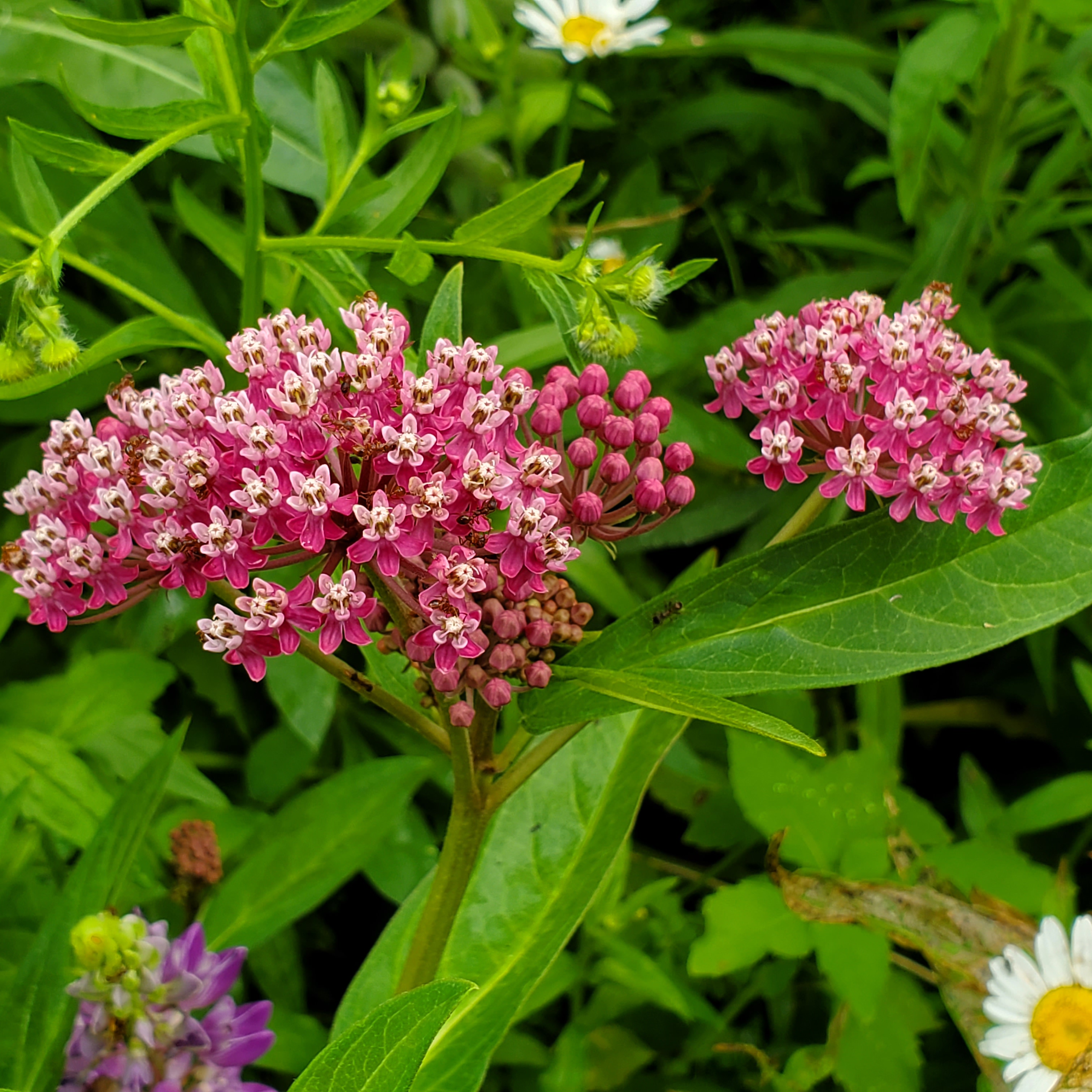
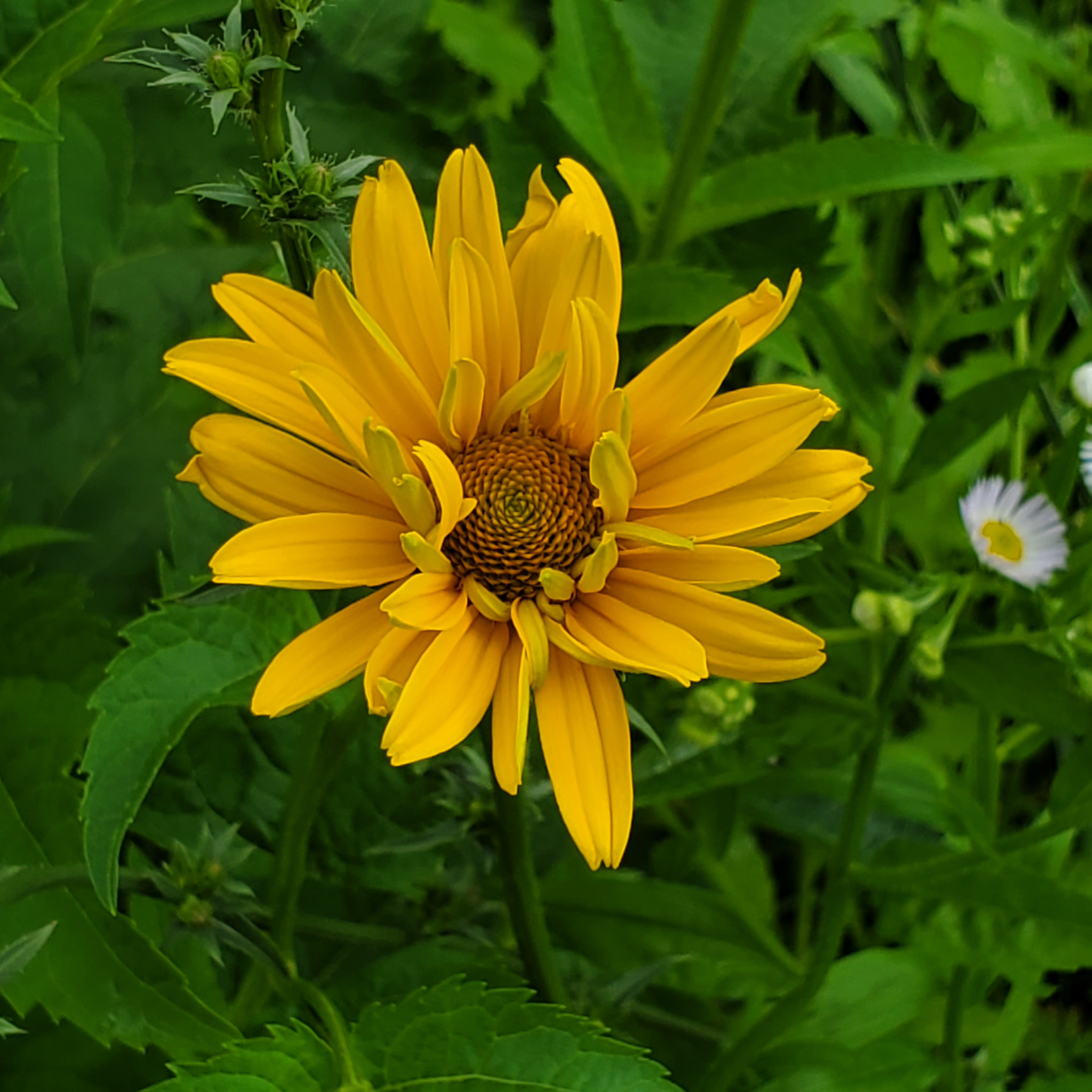
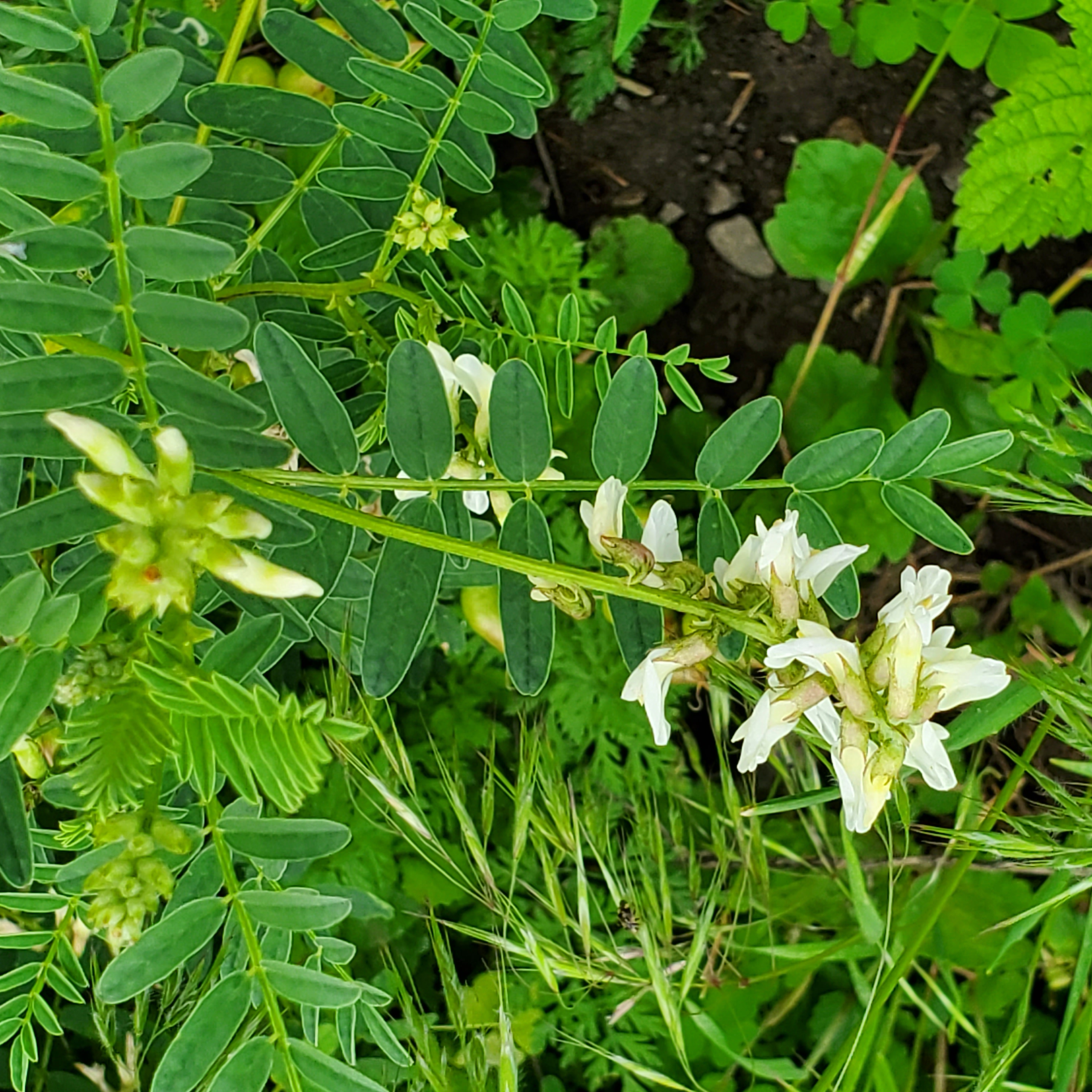
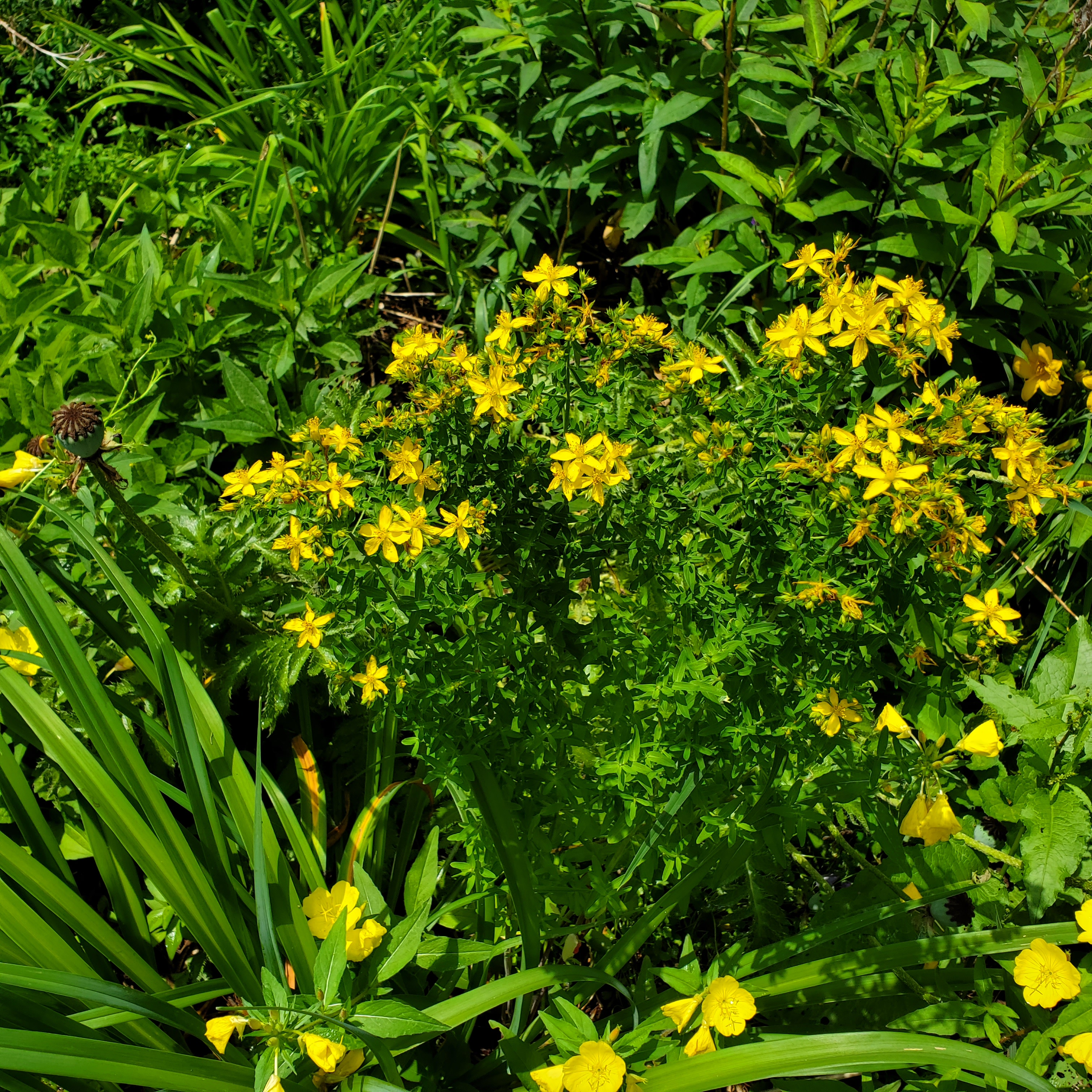
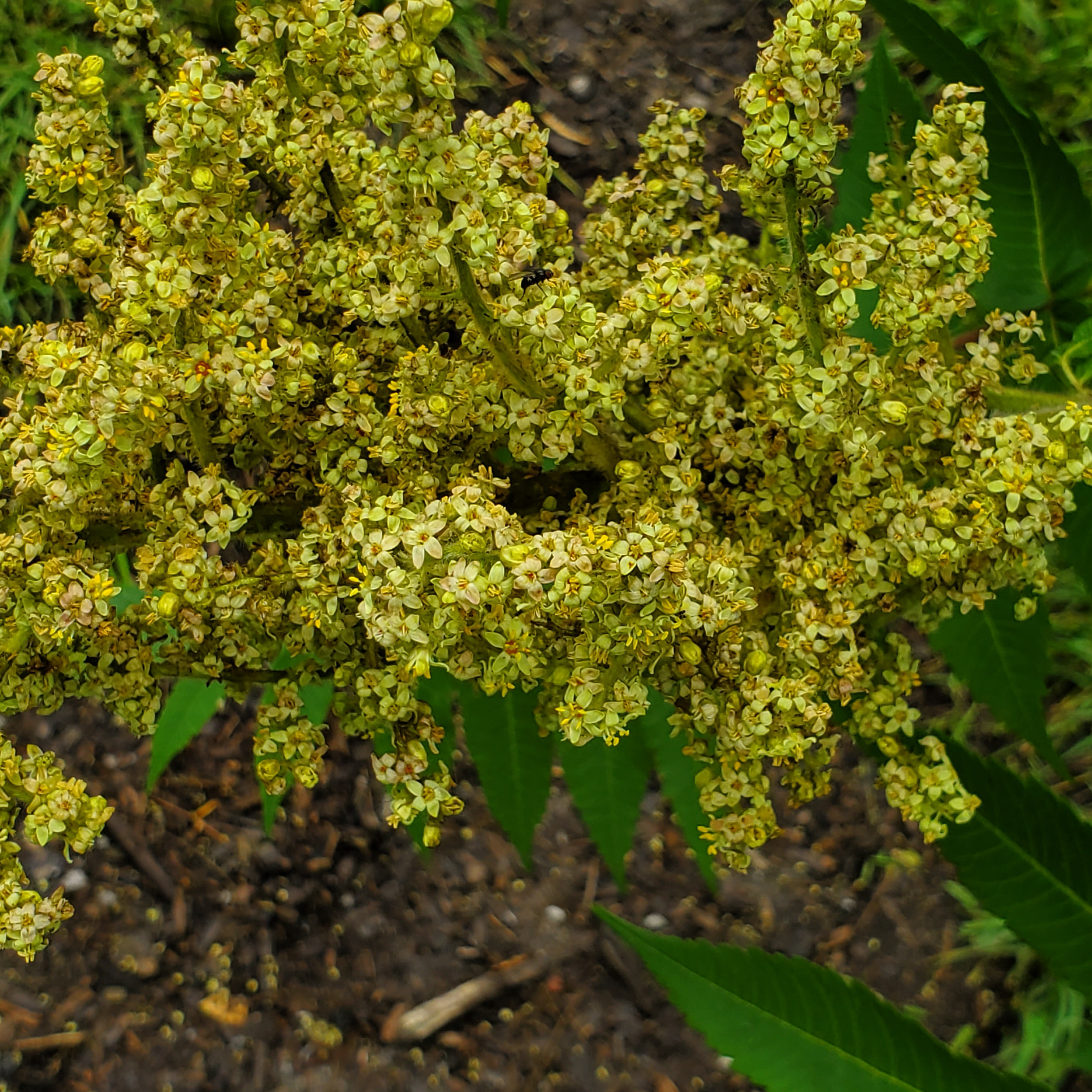
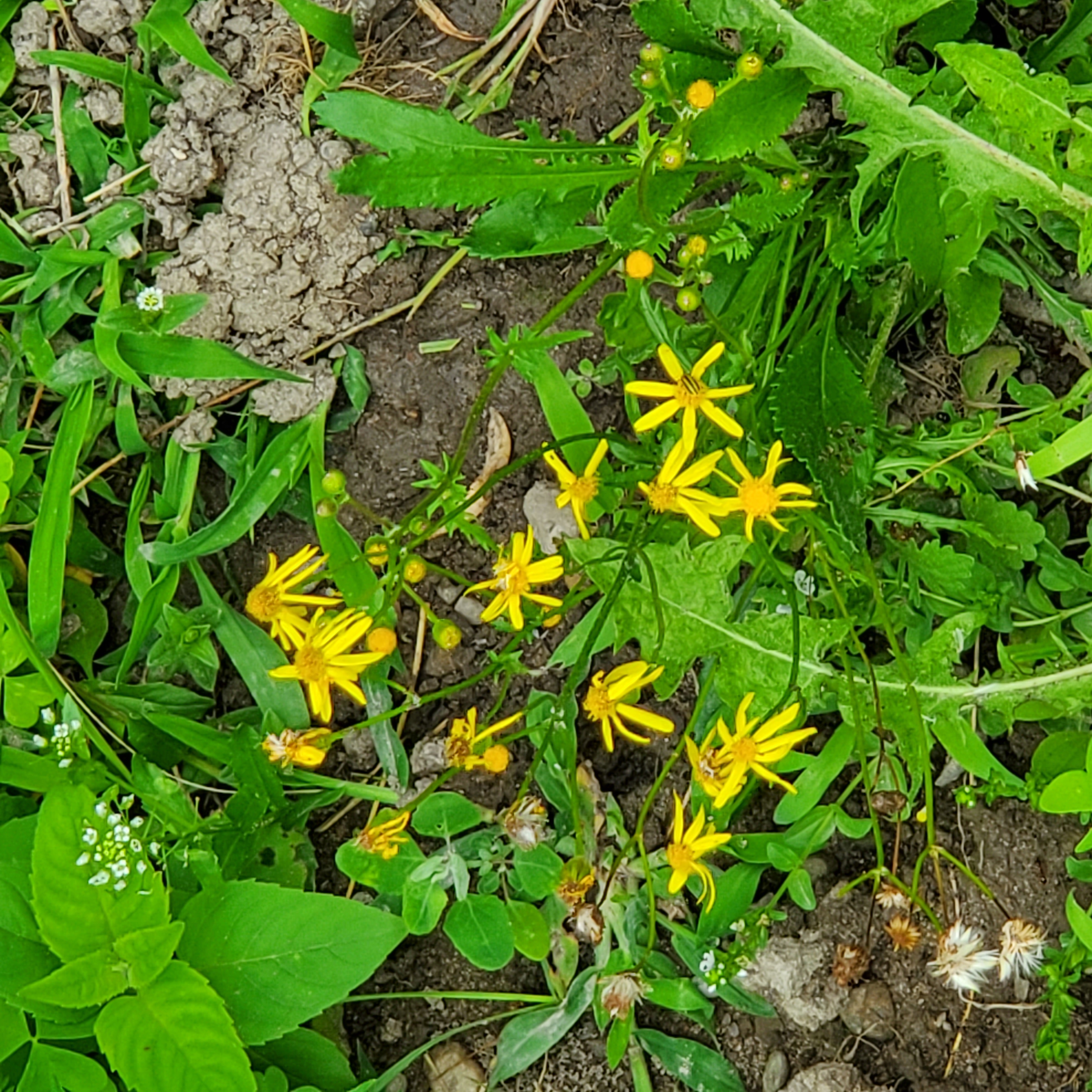
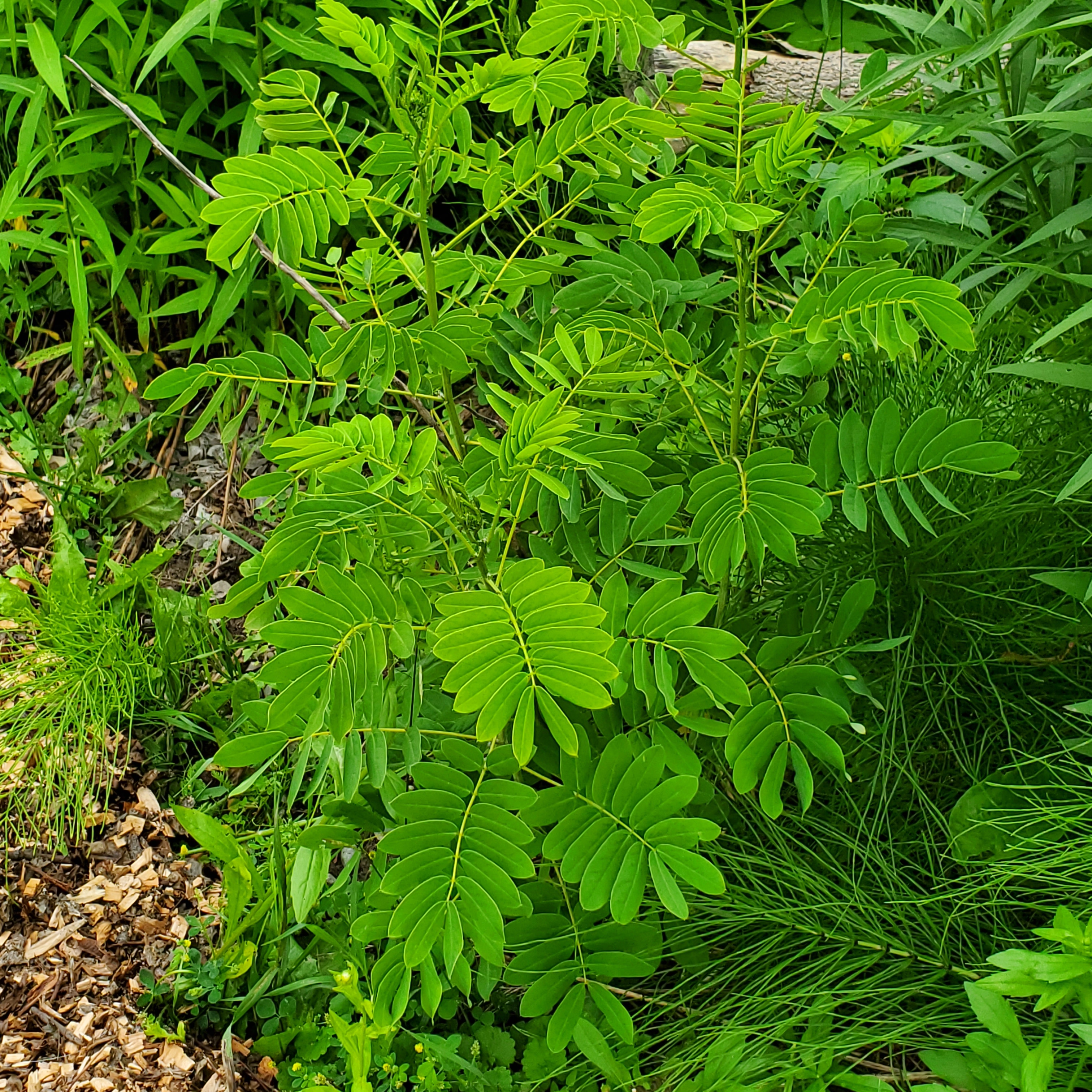
Above, clockwise from top left: foxglove beardtongue (Penstemon digitalis), swamp milkweed (Asclepias incarnata), rough oxeye (Heliopsis helianthoides), common milkweed (Asclepias syriaca), blue flag iris (Iris versicolor), wild senna (Senna hebecarpa), balsam ragwort (Packera paupercula), the strange and surprisingly bee-appealing flower of staghorn sumac (Rhus typhina), yarrow (Achillea millefolium), Canada milkvetch (Astragalus canadensis), and St. John’s wort (Hypericum perforatum).

Springtime in Ontario

It was a disappointing winter, with little snow. But spring sprang hard anyway. The last week of April, documented here, has been fantastic in my yard and at the local conservation area.

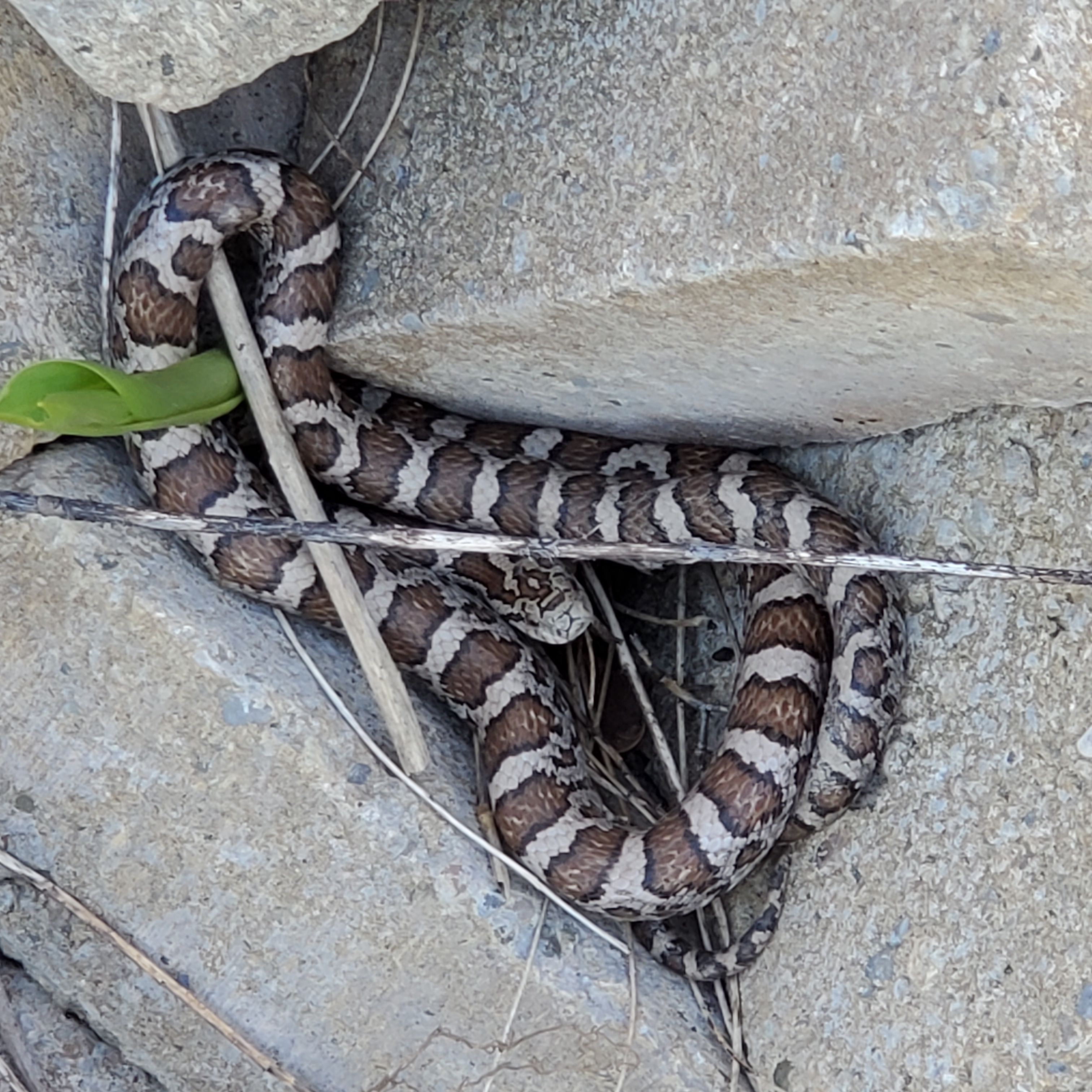
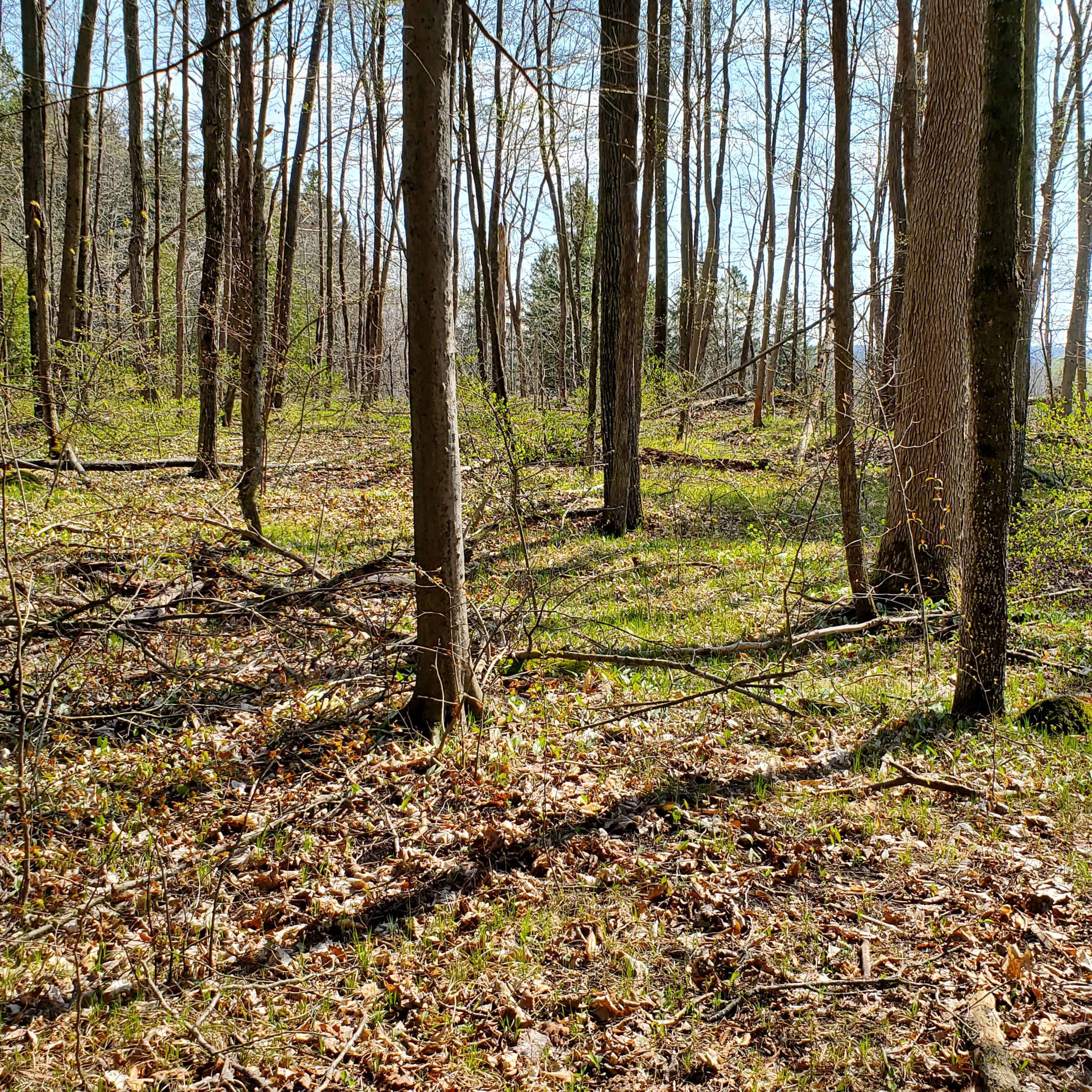
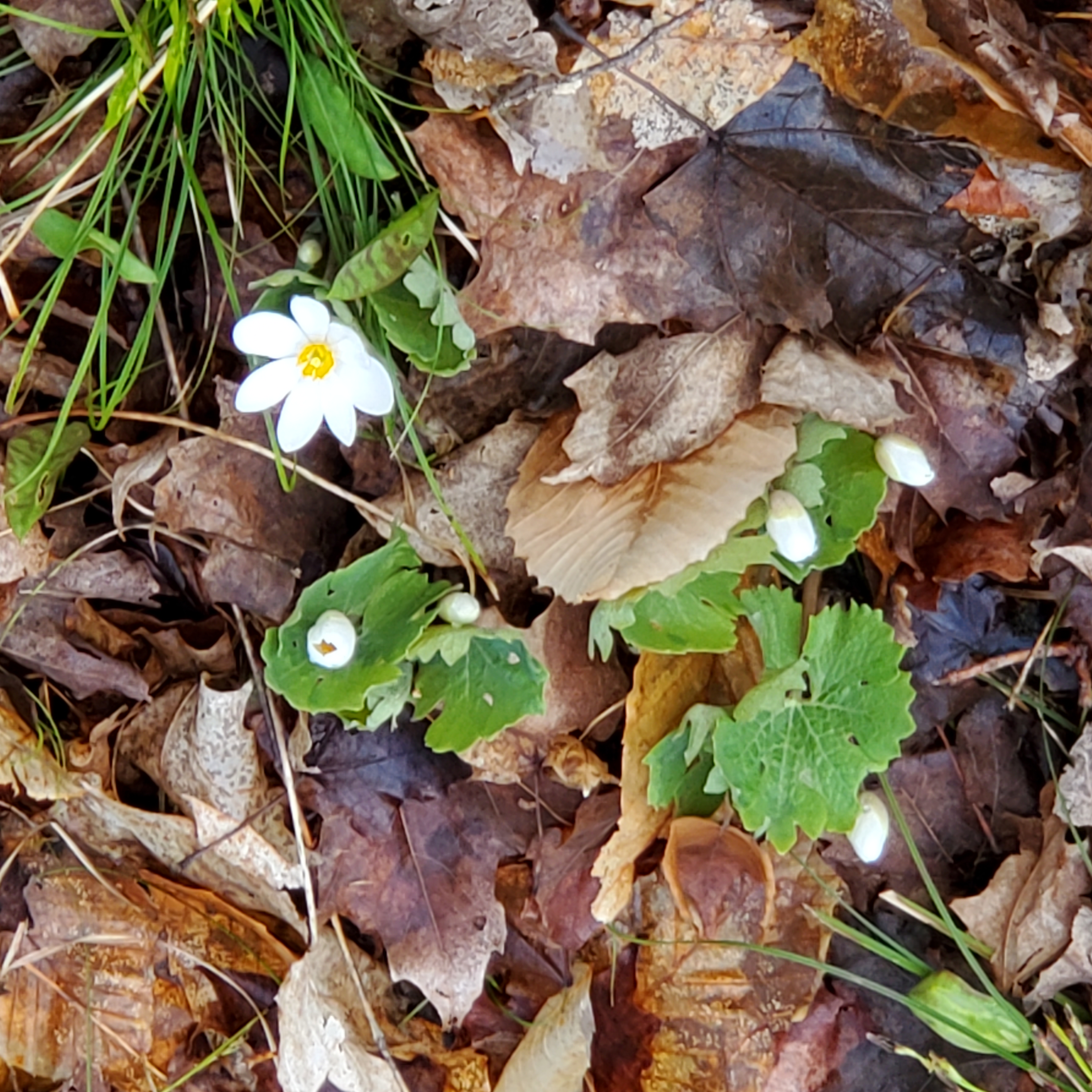
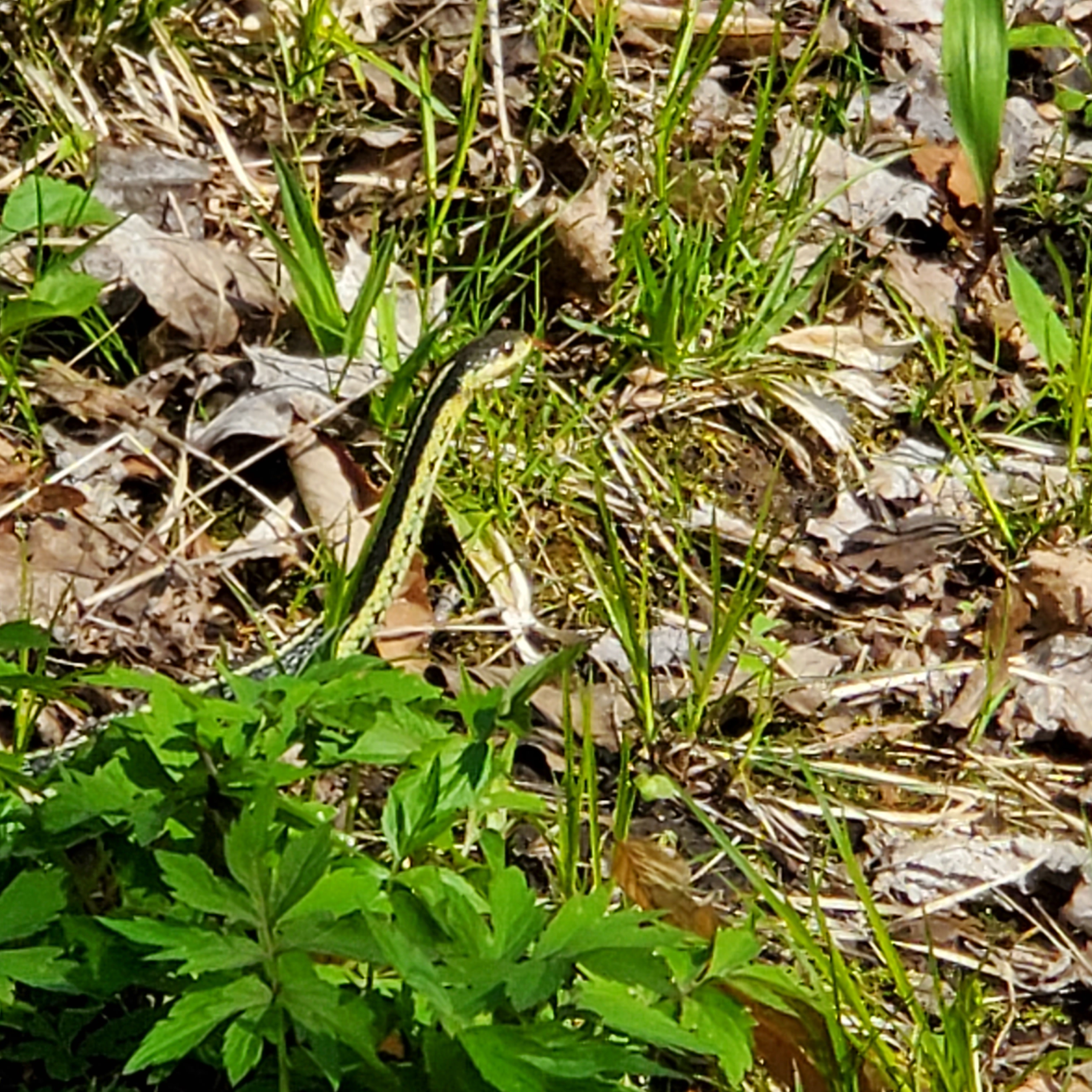
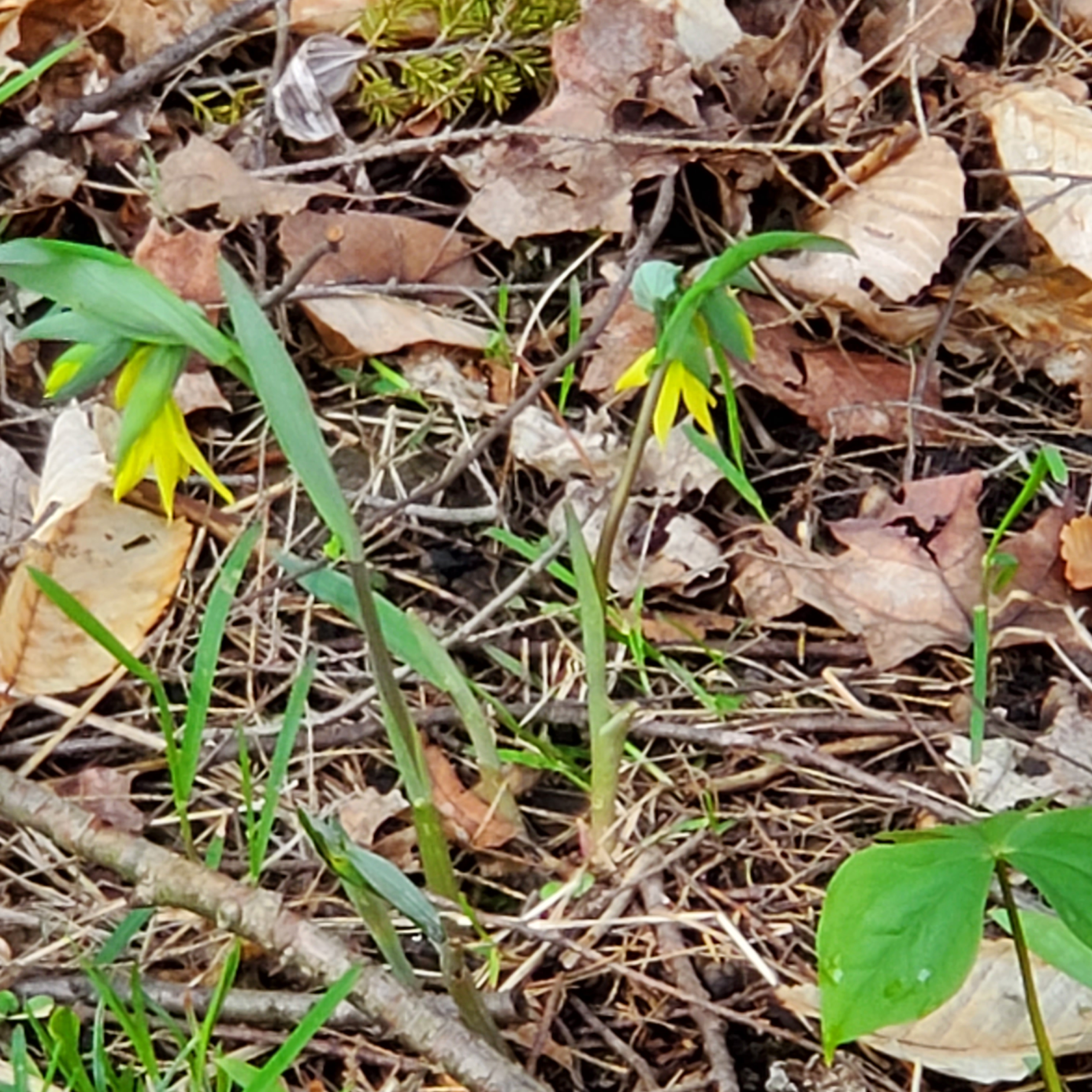
From the top left, clockwise: A barred owl (Strix varia), my first sighting ever, and a really good one! An eastern milk snake (Lampropeltis triangulum triangulum), which sadly was run over by a neighbour a few days later–I’m still grieving. Understorey flowers in a mature forest, taking advantage of the sun before the canopy closes up. Bloodroot (Sanguinaria canadensis), I believe. An eastern garter snake (Thamnophis sirtalis sirtalis) checking out the world. Sharp-lobed hepatica (Anemone acutiloba). Large-flowered Bellwort (Uvularia grandiflora). A well-camouflaged DeKay’s brown snake (Storeria dekayi). A rare stand of mature coniferous trees. Trout lily (Erythronium americanum).

Two weeks later, the area already looks completely different…

On Science Communication and Humour

Most of my work on science communication is focused on the use of narrative as a tool for disseminating complex information more clearly and persuasively. But there is much to be said too for the use of humour in science communication, too, especially with urgent issues like climate change, biodiversity loss, and the pandemic. This approach is John Oliver’s whole thing. Biologist Mark Carwardine and comedian/Renaissance man Stephen Fry’s series Last Chance to See is dead serious about extinction, yet manages to punch a bigger emotional punch by being quite funny too.

I was gratified to see this brief video featuring Earth scientist Mark Maslin and comedian and super-grump Jo Brand. Maslin gives the usual scientific and media talking points, Brand translates into her own deadpan (and obscenity-laden) style. Elsewhere, Maslin praises Brand’s ability to translate the facts into a message. As he tells it, her take on governments subsidizing fossil fuel companies?

“Even the dinosaurs didn’t subsidise their own extinctions; who’s the stupid species now?”

Jo Brand, according to Mark Maslin (The Guardian, 28 Jan. 2024, https://www.theguardian.com/science/2024/jan/28/climate-scientist-mark-maslin-we-have-all-the-technology-we-need-to-move-to-a-cleaner-renewable-world)

Another Fantastic Paragraph from Fiction

The paragraphs I’ve discussed in this series for far tend to be the ones that lead in surprising directions. These paragraphs exploit our expectation that paragraphs will be coherent, creating surprise and, often, humour when we realize, by the end, that we’ve drifted into something new. This drift, retrospectively, can be indicative of a certain state or tendency in the narrator: evasiveness, repression, distraction, whatever.

The paragraph I’m quoting this time, from Teju Cole’s Open City (2011), is similar, though its shift is the opposite of gradual. For context, the paragraph begins when the narrator, Julius, arrives at a tax office to meet with an accountant called Parrish, who’s asked Julius to pay by cheque. Julius has forgotten the cheque and, when he tried to take cash out of an ATM, realizes he can’t remember his PIN. Now here’s the paragraph:

When I finally sat down with Parrish, I told him that I had neglected to bring my checkbook. I said nothing about the cash machines. He was solemn, and as he adjusted his cuff links, I had the feeling of having disturbed a carefully calibrated universe. I apologized, and assured him I would put the check in the mail right away. He shrugged, and I signed the tax paperwork he had prepared for me. I was awed by this unsuspected area of fragility in myself. It was an insignificant portent of age, the kind I tended to smile at in others, the kind I took as a mark of vanity. I thought of the few white curls that had sprung up and were now nestled in the black mass of my hair. I used to joke about them, but I knew also that the entire head of hair would someday change color, that the white strands would multiply, and would win eventually, that if I lived to old age, like Mama, there would be hardly any of the black ones left.

Teju Cole. Open City. New York: Random House, 2011, p. 162.

When I first read this paragraph, I initially believed I’d missed something. On second read, I realized that, no, I had not missed an important connection between the somewhat uncomfortable encounter with Parrish and the reflections on white hair. It’s just that the paragraph simply shifts topics halfway through, without any obvious motivation or signal. In fact, Cole is extra tricky in making this happen: he delays telling us what “this unsuspected area of fragility” is, and even defers telling us that this fragility is “in myself,” so it’s easy to enter the white-hair half of the paragraph still believing that we’re talking about Parrish. My first reading, I thought Julius was commenting on Parrish’s fragility (to, say, a situation that didn’t go as expected, no matter how mundane), but then I read “in myself.” It took me a while to realize that what was happening was an interesting conflict between what I expect in a paragraph (a single focus or topic) and what Cole was giving me. The use of the word “this” in “this unsuspected area of fragility” is particularly tricky: it could be “this” as in “previously mentioned/hinted at,” suggesting that Julius is still talking about the same thing as before (this is how I first read it) but it really is “this” as in “a particular,” like in the impression “I met this guy who…”

Overall, the impression is one of Julius suddenly becoming abstracted or detached from the social situation he’s in with Parrish and reflecting (probably not for the first time) on a private worry about signs of aging. Cole performs a bit of a risk, then: he constructs a paragraph that is, by most definitions, not a good paragraph, in order to reveal something quite subtly but effectively about what’s happening in the narrator’s mind during the encounter he is reporting.

Farewell to summer 2023

After a few good frosts, the last of the flowers and insects are pretty much gone for the year. Time to reflect on a summer that, here if nowhere else in the world, was remarkably mild and manageable. A few highlights from the garden and environs below.

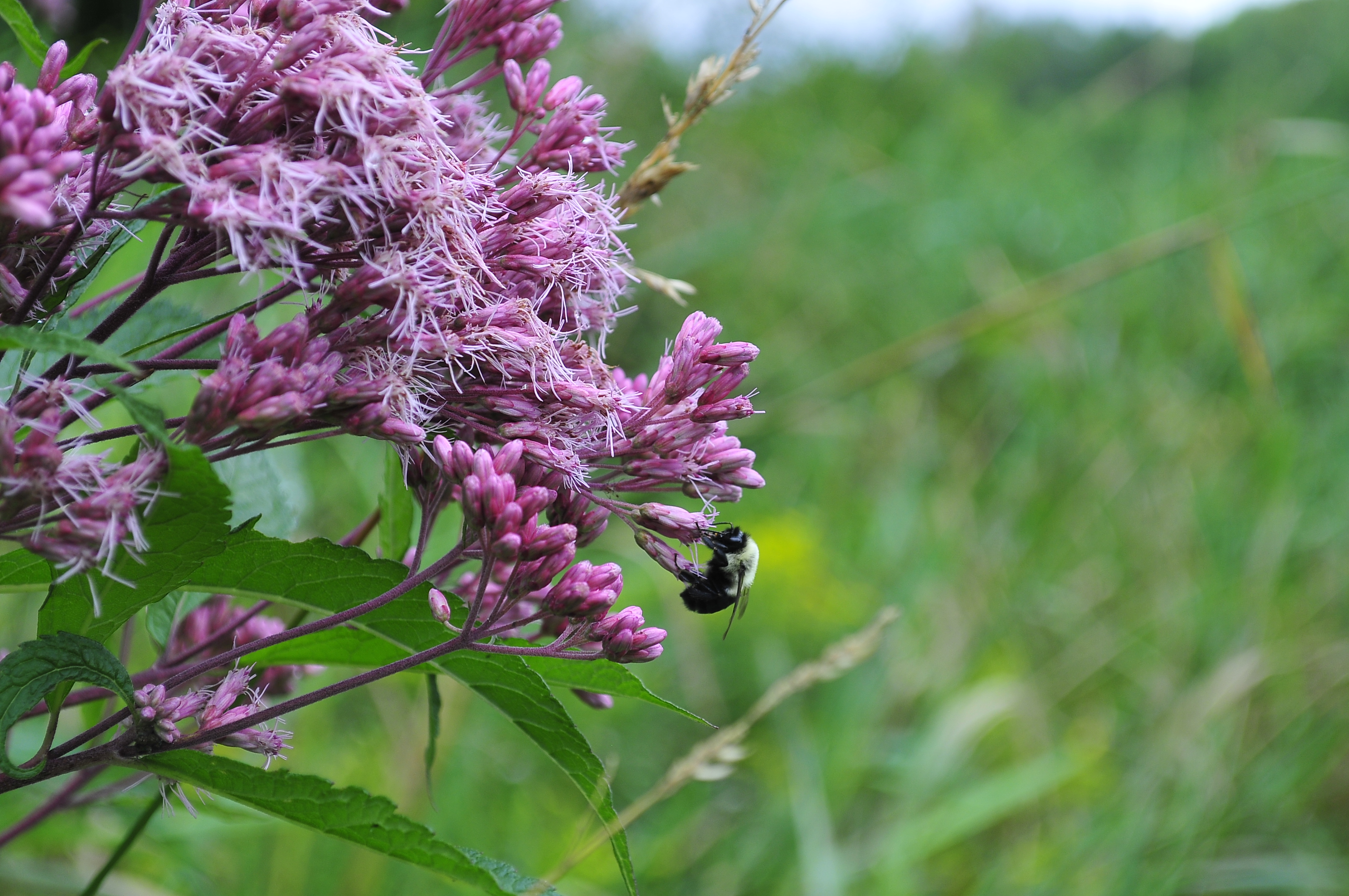
From top left: Oswego Tea (Monarda didyma); a bumble bee (probably Bombus impatiens) on Joe Pye Weed (Eutrochium purpureum); a rather big hailstone, freshly fallen; a gorgeous unidentified beetle on some goldenrod (Solidago sp); a newly emerged adult Monarch (Danaus plexippus); sunset or distant thermonuclear blast; dead Northern Short-Tailed Shrew (Blarina brevicauda); a bumble bee getting right into a Blue Lobelia (Lobelia siphilitica), note the pollen packets on the bee’s hind legs; an unidentified fungus; another unidentified fungus (I don’t know mushrooms); Butterfly Milkweed (Asclepias tuberosa), with some visitors including hard-to-see ants.

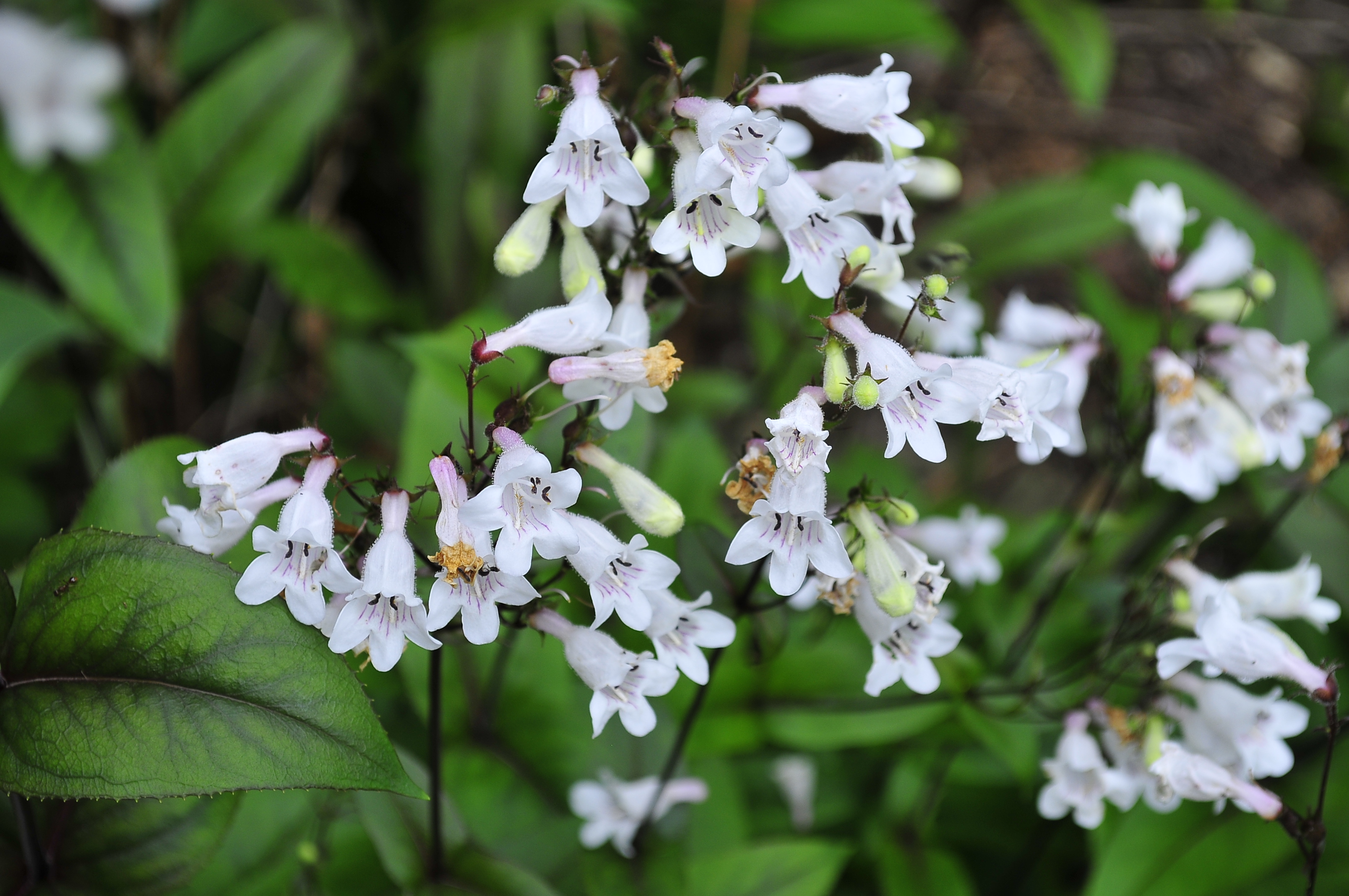
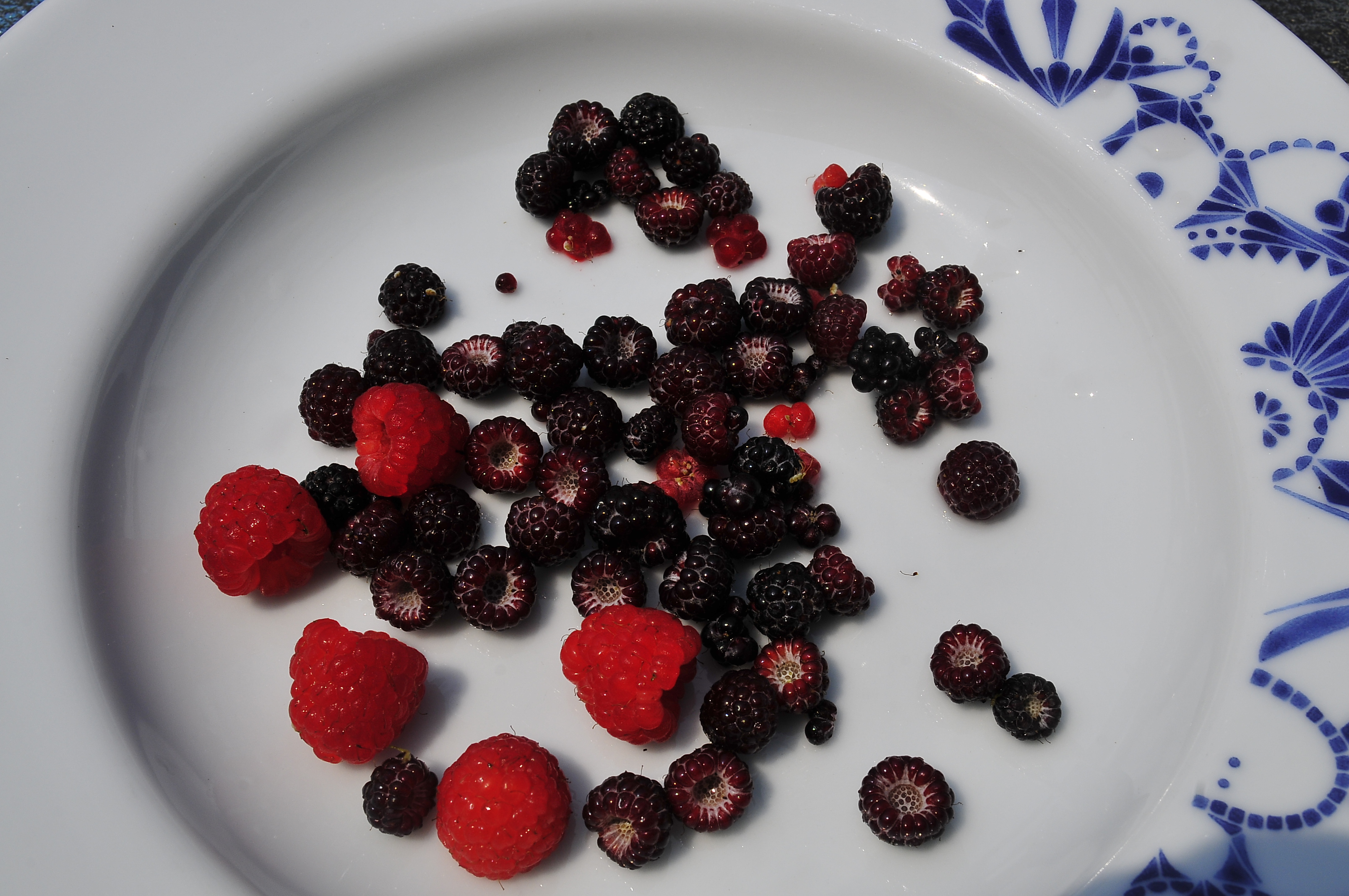
A moth (Lymantria dispar dispar, I think) on the window; Foxtongue Beardtongue (Penstemon digitalis); Wild Black Raspberries (Rubus occidentalis) and their domesticated red relatives (Rubus ideaus); Swamp Milkweed (Asclepias incarnata); and a rather huge stick insect, no ID.

Is there anything nerdier…

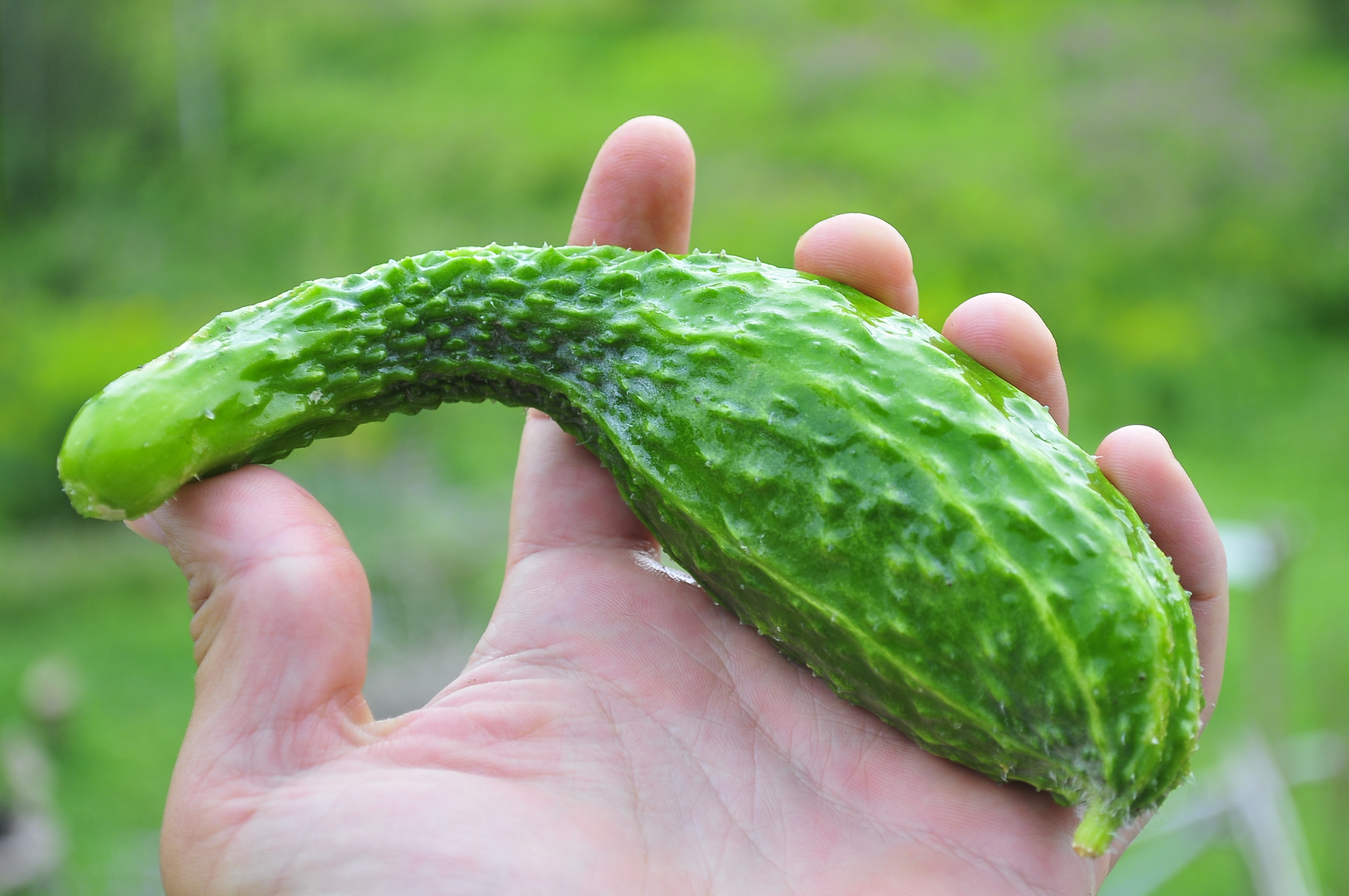
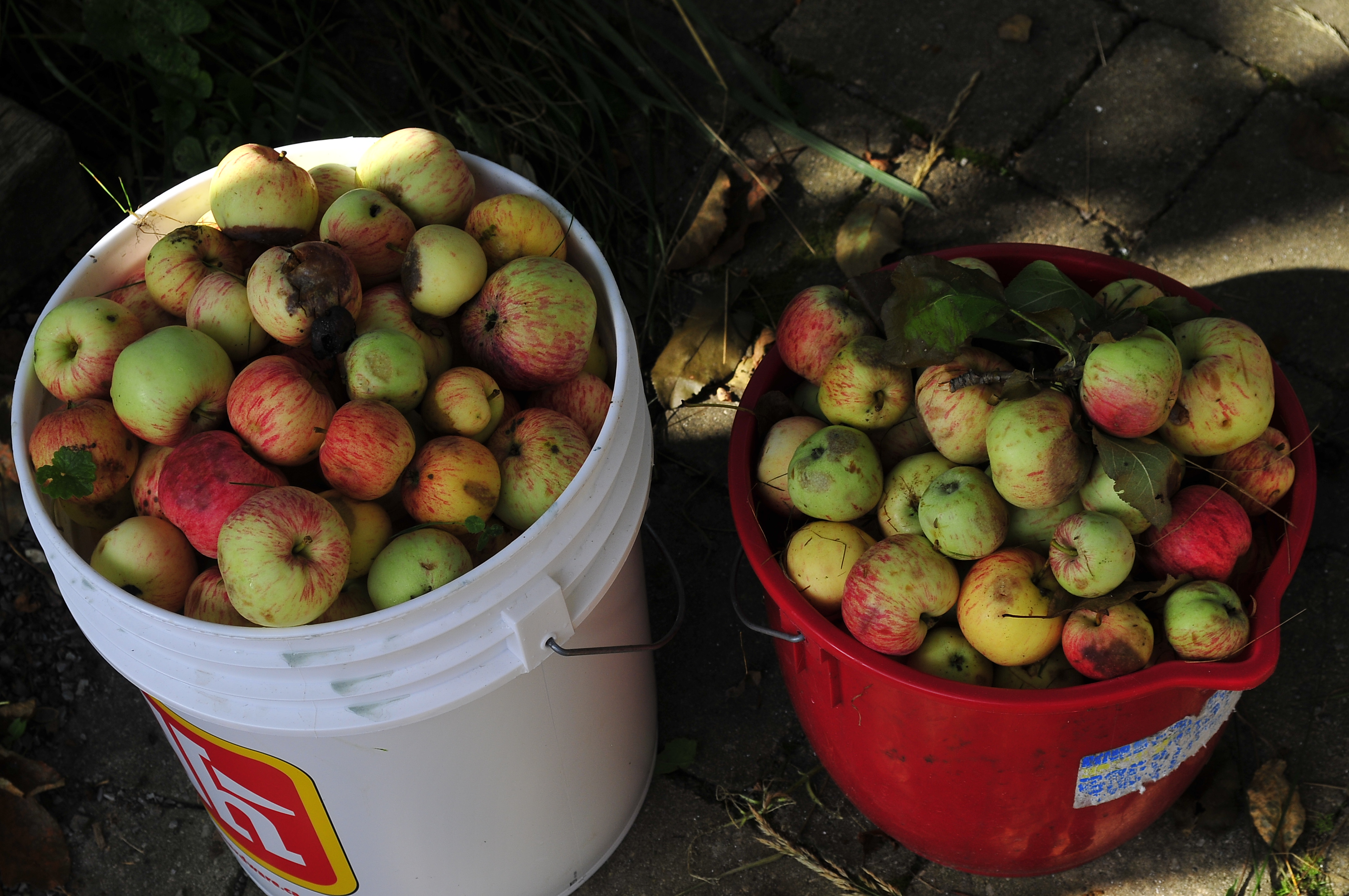
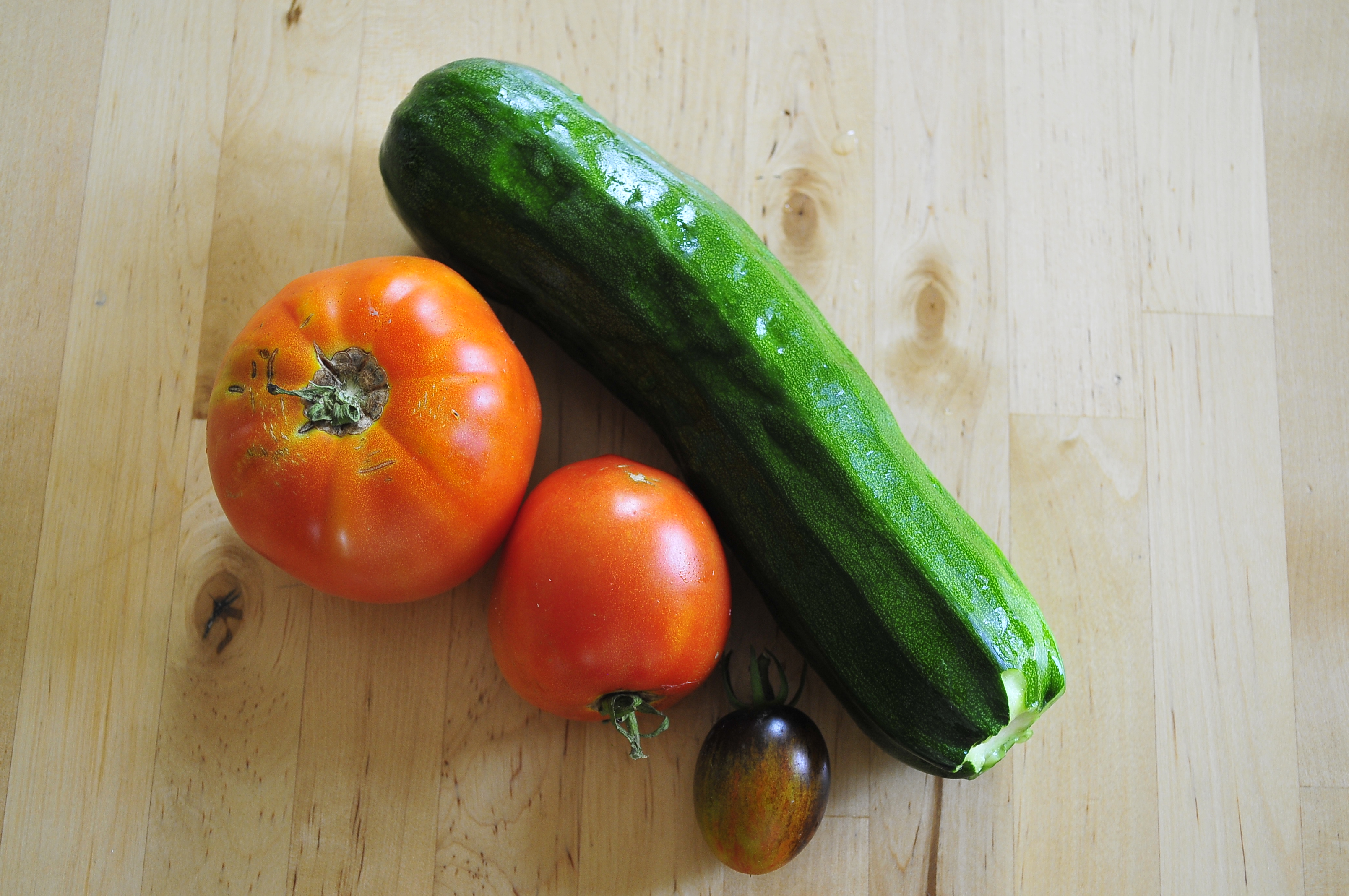
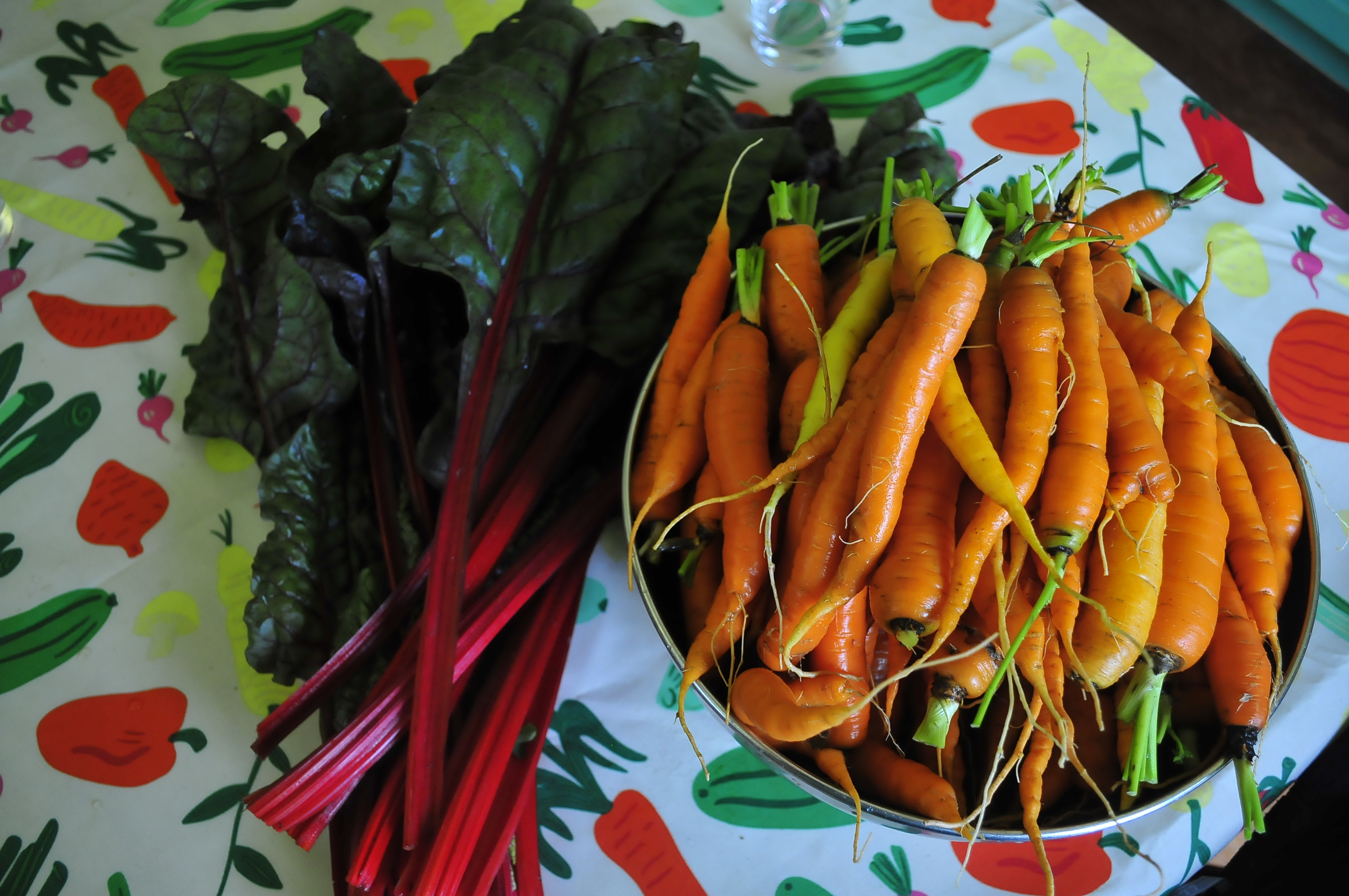
… than a former city dweller’s excitement about homegrown vegetables? I didn’t think so. But the excitement is genuine. Here are some of this summer and fall’s harvests: spaghetti and delicata squash, cucumber, beefsteak tomato, more tomatoes, a day’s worth of windfall apples, tomatoes and a zucchini, Swiss chard and carrots, more carrots.

Lots to learn from trial and error of 2023 for next year. Our carrots are good but not amazing. The tomatoes and squash and lettuce (unpictured) are worth growing more in the future. We need a better system for catching apples before they fall and get bruised/broken.

Fantastic Paragraphs (v)

A novel’s first paragraph bears a huge burden, and very few novels bear it as well as Muriel Spark’s final one, The Finishing School (2004). Spark is, I think, one of the greatest prose stylists of the 20th century and at least two of her novels–The Prime of Miss Jean Brodie and The Girls of Slender Means–are about as perfect as I think a novel can be. The Finishing School is not in that category. But its opening paragraph is one for the ages:

“You begin,” he said, “by setting the scene. You have to see your scene, either in reality or in imagination. For instance, from here you can see across the lake. But on a day like this you can’t see across the lake, it’s too misty. You can see the other side.” Rowland took off his reading glasses to stare at his creative writing class whose parents’ money was being thus spent: two boys and three girls around sixteen to seventeen years of age, some more, some a little less. “So,” he said, “you must just write, when you set your scene, ‘the other side of the lake was hidden in mist.’ Or if you want to exercise imagination, on a day like today, you can write, ‘The other side of the lake was just visible.’ But as you are setting the scene, don’t make any emphasis as yet. It’s too soon, for instance, for you to write, ‘The other side of the lake was hidden in the fucking mist.’ That will come later. You are setting the scene. You don’t want to make a point as yet.”

Muriel Spark, The Finishing School, Doubleday, 2004, pp. 1-2

The meta- aspect of this opening is fun and clever, but that’s not what makes this paragraph so great. It’s the way it builds, with constant small repetitions that slow our progress, to that hilariously profane “emphasis” right by the end–where, by the way, the experienced reader of paragraphs expects to find their emphasis. It doesn’t hurt that Spark is not an author to throw around swear words lightly. As far as I remember, this is her only f-bomb. (I could be wrong.) Anyway, I have forgiven this rather weak novel of Spark’s solely on the thrill this opening paragraph gave and still gives me.